Dhokla Recipe Mistakes: 6 Common Errors to Avoid for Perfect Fluffy Dhokla
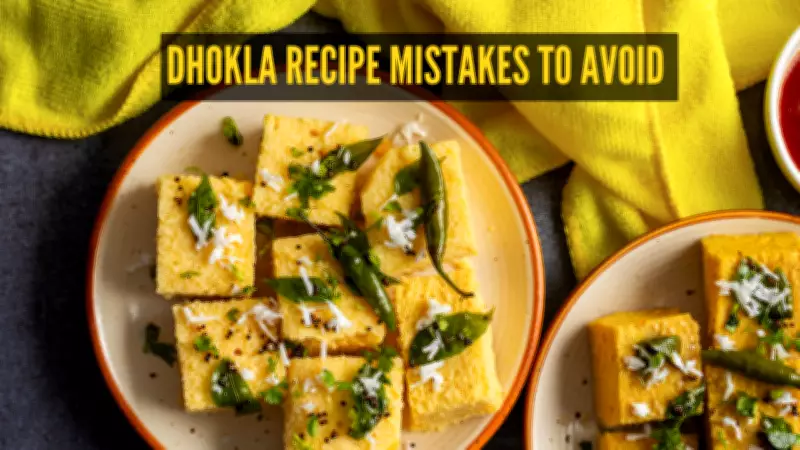
Dhokla, a beloved steamed delicacy from Gujarat, is celebrated for its bright, sunny appearance and cloud-like softness, offering little squares of comfort and taste that have become a staple in households across India. This traditional dish combines a gentle tang, a whisper of sweetness, and the warm aroma of home kitchens where steam rises and flavors meld. However, many home cooks struggle to achieve the right texture, color, and softness when making dhokla at home. In this article, we explore six common mistakes people often commit and provide practical tips on how to avoid them, ensuring your dhokla turns out perfectly every time.
1. Incorrect Ingredient Quantities
One of the most critical aspects of making dhokla is using the right quantity of ingredients. Pay close attention to measurements, especially for besan (gram flour) and water. Insufficient besan can result in dhoklas that lack their distinct, spongy texture, while excessive curd or yogurt can make the dish soggy and unappetizing. Always follow a trusted recipe to maintain balance and achieve the desired consistency.
2. Improper Batter Consistency
A common error is not getting the batter consistency right. A batter that is too thick can prevent proper rising during steaming, leading to dense dhokla. Conversely, a runny batter may result in flat, soggy outcomes. Aim for a smooth, lump-free batter with a flowing consistency, similar to pancake batter, to ensure even cooking and optimal fluffiness.

3. Skipping or Mishandling Fermentation
For traditional dhokla recipes, fermentation of the batter is a key step that should not be overlooked. If the batter is not fermented correctly, it can spoil the entire dish. Under-fermentation often results in a dense and heavy texture, while over-fermentation can make the dhokla too sour. Allow the batter to ferment at room temperature for the recommended time to develop the right flavor and lightness.
4. Adding Too Much or Too Early Baking Soda
Fruit salt or baking soda is essential for achieving the fluffy texture characteristic of dhokla. However, adding it too early can reduce its effectiveness, and using too much can impart a bitter taste to the dish. Always add baking soda just before steaming and in a limited quantity, typically 1/2 to 1 teaspoon, to ensure the batter rises properly without compromising flavor.
5. Incorrect Steaming Time
Steaming is a delicate process that requires precision. If dhokla is not steamed for the right duration, it can lead to undercooked or overcooked results. Use a toothpick to check if the dish is evenly cooked by inserting it into the center; if it comes out clean, the dhokla is ready. Avoid rushing this step and allow sufficient time for thorough steaming on medium heat.
6. Neglecting the Tempering
Tempering is an integral part of the dhokla recipe, and skipping it can significantly affect the taste and aroma. Many people also miss adding sugar and water to the tempering, which enhances the flavor profile. Prepare the traditional tempering with oil, curry leaves, green chillies, mustard seeds, sugar, and water. Pouring this over the steamed dhokla allows it to soak in the flavors, adding depth and authenticity to the dish.
How to Make Classic Dhokla at Home
Here is a step-by-step guide to making perfect dhokla, incorporating the tips above to avoid common mistakes.

Ingredients
- 1 cup besan (gram flour)
- 1 tablespoon semolina
- 1 teaspoon sugar
- Salt to taste
- 1 teaspoon lemon juice
- 3/4 cup water
- 1 teaspoon baking soda
For Tempering
- 1 tablespoon oil
- 1 teaspoon mustard seeds
- 1 sprig curry leaves
- 2 green chillies
- 1/2 cup water
- 1 teaspoon sugar
Method
- Combine besan, semolina, salt, sugar, lemon juice, and water in a bowl. Whisk until the batter is smooth and free of lumps.
- Grease a steaming tray or plate and preheat the steamer to ensure even cooking.
- Add baking soda to the batter, mix gently, and pour immediately into the prepared tray to maximize rising.
- Steam the dhokla for 15–20 minutes on medium heat. Use a toothpick to check if it is cooked evenly; if not, steam for a few more minutes.
- Heat oil in a pan, add mustard seeds, curry leaves, and green chillies. Once they splutter, add water and sugar, and bring to a boil to create the tempering.
- Pour the tempering over the steamed dhokla. Let it soak for a few minutes to absorb the flavors, then cut into squares and serve warm.
By avoiding these common mistakes and following this detailed guide, you can master the art of making soft, fluffy, and flavorful dhokla that delights every palate. Embrace these tips to elevate your home cooking and enjoy this traditional Gujarati treat with confidence.