Copper Water for Plants: A Traditional Practice Meets Modern Gardening
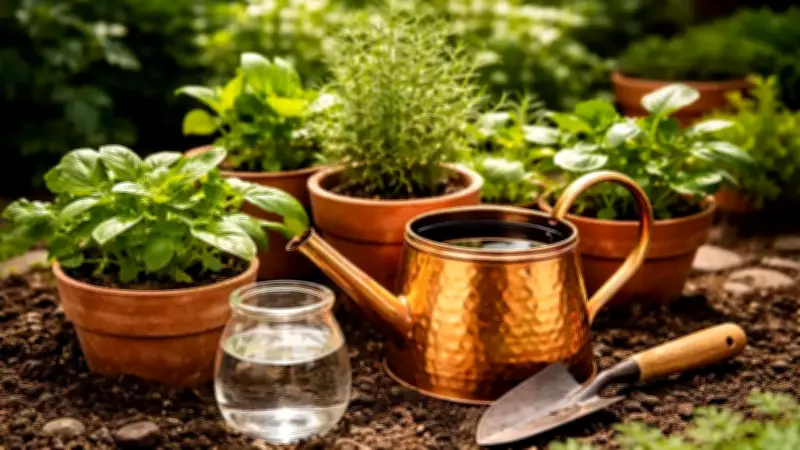
Many people start their day by drinking water stored overnight in a copper container, a practice rooted in traditional health habits believed to offer various benefits. Recently, this concept has sparked curiosity among garden enthusiasts, leading to the question: Can copper-infused water benefit plants? While it might seem unusual at first, copper is indeed an essential micronutrient required by plants, playing a crucial role in their metabolism. This has inspired some plant lovers to experiment with using copper water for their house or garden plants. However, it is vital to understand that while copper can be beneficial in small amounts, its application requires careful consideration to avoid harm.
Why Copper Matters for Plant Health
Copper is classified as a micronutrient in plant nutrition, meaning plants need it in trace quantities, yet it is indispensable for certain biological processes. Within plant cells, copper activates enzymes involved in photosynthesis and respiration, enabling plants to harness energy from sunlight and maintain healthy metabolic activities. Additionally, copper aids in the production of lignin, a substance that thickens cell walls, helping plants stand upright and better withstand environmental stress. Consequently, a deficiency of copper in soil can lead to issues such as weak growth, fragile stems, or yellowing leaves.
How Copper-Infused Water Forms
When water is stored in a copper container for several hours, a natural reaction occurs between the metal and water, causing tiny amounts of copper ions to dissolve into the liquid. This results in copper-infused water containing trace levels of copper, which, though minimal, can possess antimicrobial properties and potentially influence plant health when applied to soil. For plants growing in nutrient-poor conditions, these trace minerals might contribute to micronutrient availability. However, the extent of copper dissolution depends on factors like water acidity, storage duration, and the quality of the copper vessel.

Possible Benefits for Plants
Some gardeners believe that using copper water occasionally could offer certain advantages. One potential benefit is enhanced micronutrient availability, as copper is necessary for enzyme function, which might support plant growth. Another possible advantage relates to copper's antimicrobial properties, which could help inhibit harmful bacteria or fungi in the soil. Additionally, enthusiasts suggest that copper water might strengthen plants by aiding in cell wall formation. It is important to note, however, that scientific evidence supporting these claims remains limited, and more research is needed to validate them.
Why Too Much Copper Can Harm Plants
While trace amounts of copper are essential, excessive levels can be detrimental to plants. Copper toxicity can damage plant roots, leading to problems such as stunted growth, leaf discoloration, and underdeveloped root systems. Therefore, gardeners must avoid overusing copper-based solutions or overwatering plants with copper water. Plants typically obtain sufficient copper from fertilizers and soil, so any additional copper should be added cautiously to prevent imbalance.
A Balanced Approach for Plant Care
If you are interested in experimenting with copper water for plants, moderation is key. Occasional use for houseplants is unlikely to significantly alter soil chemistry. Remember that plants thrive on a combination of sunlight, water, healthy soil, and essential nutrients like nitrogen, phosphorus, and potassium. Copper water, while potentially beneficial, is just one small component of overall plant care.

What Gardeners Should Remember
The idea of using copper water for plants is intriguing, blending traditional practices with modern gardening curiosity. Copper is an essential nutrient that, in trace amounts, supports critical plant growth processes. However, it is crucial to emphasize that plants require balanced nutrition, and excessive copper can do more harm than good. Most soils already provide adequate copper, and there is currently limited scientific research demonstrating that copper vessel water enhances plant growth. For plant enthusiasts, it is recommended to focus on maintaining healthy soil, proper watering, and balanced fertilizers rather than relying on copper water as a magic solution. In nature, balanced nutrients are essential for growth, a principle that applies equally to humans and plants.