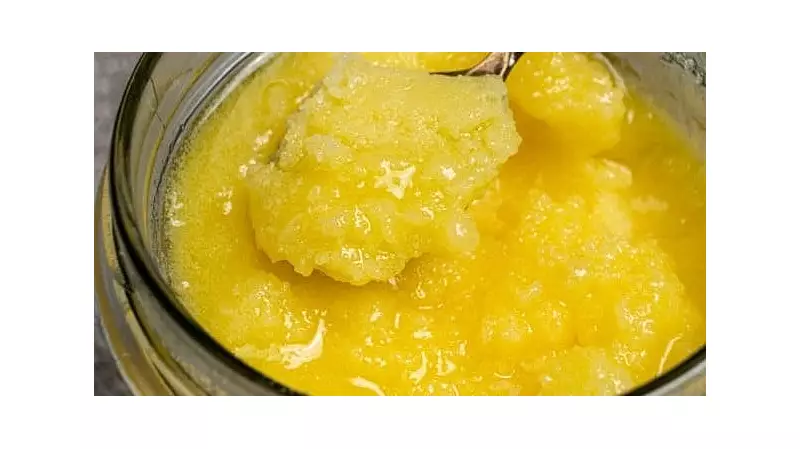
Residents of Bengaluru seeking authentic cow ghee now have expert guidance to verify the quality of their purchases. Local specialists in the city have shared practical methods that consumers can use to distinguish pure ghee from adulterated products.
The Aroma Test: Your First Clue
According to Listy Prabhakar, co-owner of a prominent ghee brand, the scent of genuine cow ghee provides the most immediate indicator of quality. Pure cow ghee has a rich, nutty aroma that lingers pleasantly. If the fragrance disappears quickly or smells overly oily, consumers should be suspicious about the product's authenticity.
Prabhakar emphasizes that the characteristic aroma of authentic ghee comes from its traditional preparation methods and cannot be easily replicated in adulterated versions. The persistence of the fragrance matters as much as its initial strength when you open the container.

Additional Methods to Verify Ghee Quality
Beyond the smell test, experts recommend several other techniques to check ghee purity at home. These methods require minimal equipment and can be performed in any kitchen setting.
The palm test involves rubbing a small amount of ghee between your palms. Pure ghee should absorb into the skin without leaving a greasy residue. If your hands feel oily after rubbing, the product likely contains added oils or other substances.
Another reliable method is the heating test. When you melt pure ghee, it should turn liquid without separating into layers. The color should be consistent throughout, and there should be no sediment at the bottom of the container after cooling.
Why Ghee Purity Matters for Health
Consuming adulterated ghee can have significant health implications. Products mixed with cheaper oils or artificial additives may contain trans fats or other harmful components that undermine the nutritional benefits of pure cow ghee.
Authentic ghee contains essential fatty acids and fat-soluble vitamins that contribute to overall wellness. Pure cow ghee has been part of traditional Indian diets and Ayurvedic practices for centuries, valued for its digestive properties and nutritional profile.
The expert advice comes at a time when consumers are increasingly concerned about food quality and authenticity. With ghee being a staple in many Indian households, particularly in Bengaluru where traditional foods remain popular, these testing methods provide valuable tools for making informed purchasing decisions.
The information was officially published on November 18, 2025, providing current and relevant guidance for consumers navigating the market for authentic ghee products.