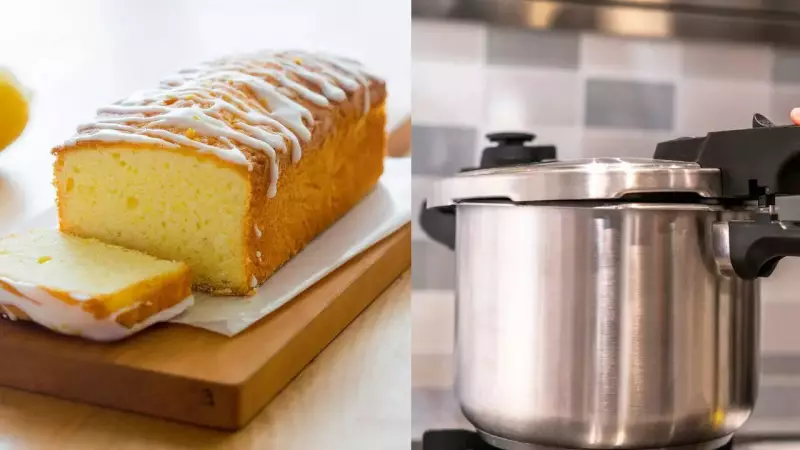
Dreaming of a soft, fluffy sponge cake but don't own an oven? Your trusty Indian kitchen staple, the pressure cooker, can be your secret weapon for baking success. This ingenious no-fuss method uses steam to create a perfectly even, light, and airy cake with just basic ingredients, proving you don't need fancy equipment to satisfy your sweet cravings.
Gather Your Simple Ingredients
To start this delightful baking adventure, you will need common pantry items. The recipe calls for 1 cup of all-purpose flour (maida), 1 teaspoon of baking powder, and half a teaspoon of baking soda. For sweetness, have 3/4 cup of sugar ready. The fat component can be 1/2 cup of any neutral oil or melted butter. For the base, use 3 eggs, or substitute with 3/4 cup of curd (dahi) for a completely eggless version. Flavour it with 1 teaspoon of vanilla essence and don't forget a pinch of salt to balance the taste. A crucial tip for fluffiness is to sift all the dry ingredients together not once, but twice. You will also need a 4 to 5-inch cake tin that fits comfortably inside your cooker; grease it well before you begin.
Setting Up Your Pressure Cooker as an Oven
Transforming your pressure cooker into a baking oven requires a simple setup. First, take your 5 or 6-litre pressure cooker and remove both the whistle and the rubber gasket from the lid. This is essential to prevent pressure build-up. Next, add about 1.5 cups of salt or sand to the base of the cooker. This layer acts as a heat distributor, ensuring gentle, even warmth. Avoid using water, as it creates steam that can make the cake soggy. Place a sturdy metal stand or an inverted steel plate inside on top of the salt. Now, preheat the cooker on medium heat for 5 to 7 minutes until the inside feels hot, much like a conventional oven.

Mastering the Batter and Baking Process
The key to a soft sponge lies in the batter. In a mixing bowl, vigorously beat the eggs (or curd) with the sugar until the mixture turns pale, increases in volume, and becomes fluffy. This step, which should take about 5 minutes of whisking, incorporates essential air into the batter. Gently fold in the oil or melted butter and vanilla essence. Finally, add the sifted dry ingredients in batches, mixing lightly just until combined. Overmixing at this stage will deflate the air bubbles you worked so hard to create. Pour the batter into the prepared tin, filling it only two-thirds full to allow space for rising.
Carefully place the tin on the stand inside the preheated cooker. Cover with the lid (without the whistle) and cook on low to medium heat for 35 to 45 minutes. To check for doneness, insert a toothpick or a clean knife into the centre of the cake; it should come out clean. If you notice the top browning too quickly after 30 minutes, simply crack the lid open slightly. Patience is vital here for an even rise without cracks.
The Final Steps for a Perfect Cake
Once baked, turn off the heat and let the cake sit inside the cooker for another 10 minutes. This resting period helps it set. Then, carefully invert it onto a wire rack and allow it to cool completely. Rushing this cooling process can cause the cake to sink. The result is a beautifully golden and springy sponge cake, perfect on its own or dressed up with some whipped cream. Store any leftovers in an airtight container, where it will stay fresh for up to 2 days. With this method, a homemade, bakery-style cake is always just a pressure cooker away.