Amla Chutney: A Family Recipe for Health and Heritage
Some foods are meant to comfort, to quietly carry memories from one generation to the next. My Dadi’s amla chutney was one of them. She made it quickly, almost instinctively, and it appeared on our plates every winter without ceremony. That sharp, tangy spoonful became part of our everyday meals, so familiar that we rarely stopped to think about it.
The Seasonal Rituals of Amla Preservation
Today, amla is available almost year-round in most metropolitan cities thanks to innovative cultivation methods. But back then, it was strictly a winter fruit. Perhaps because of its short season and well-known benefits, a great deal of effort went into preserving it for the months ahead. One such ritual was the annual murabba-making day, led by my mother. It was usually a sunny Sunday—her one day off from work—when the entire family gathered on the terrace.
We sat together with knitting pins in our hands, piercing each amla one by one. Our palms would first turn chalky white from the juice and later stain brown. The fruit was then boiled over a wood fire in a large cauldron with lime water until soft before being transferred into another big kadhai where a sugar syrup simmered slowly. The amlas were soaked in the syrup, plumping up and turning translucent, before being sealed in airtight containers to last the whole year. Those dark, glossy murabbas—almost gulab jamun-like in appearance—were credited, without question, for thick hair and robust health.

Dadi’s Culinary Wisdom and Daily Traditions
Pickles, however, were Dadi’s domain. She dry-roasted spices, mixed them with amla, and left the mixture submerged in mustard oil under the sun for days, until the fruit softened and absorbed every flavour. Yet it was the amla chutney that remained a daily fixture on our lunch plates. Only now do I understand why. We rarely suffered from colds or sniffles, our digestion stayed steady, and winters passed without the usual ailments. We were energetic, sturdy children, and amla played its quiet part in that. I still make the chutney for the same reason.
The Ayurvedic and Nutritional Power of Amla
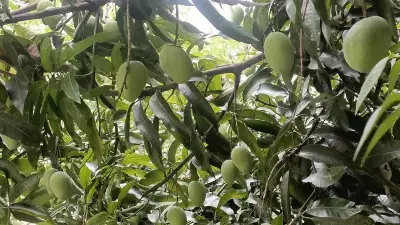
Amla, or Indian gooseberry, is known as Dhatri in Sanskrit—another name for Mother Earth. In Ayurveda, it is considered almost panacea-like. Cooling in nature, it is one of the rare foods believed to balance all three doshas. Nutritionally, its reputation is well earned. A 100-gram serving of fresh amla contains around 300 mg of vitamin C—more than twice the recommended daily intake and comparable to the vitamin C found in nearly 20 oranges. Its high fiber content supports digestion and bowel health, while its vitamin C aids better absorption of iron and other minerals.
Amla is also rich in vitamin A, essential for eye health and known to reduce the risk of age-related macular degeneration. Its phytonutrients and antioxidants help protect brain cells from oxidative stress, potentially supporting memory and cognitive function. Research also suggests that regular consumption of amla may help lower cholesterol, support blood sugar regulation in diabetes, and act as a natural blood thinner.
Beyond Nutrition: A Taste of Heritage
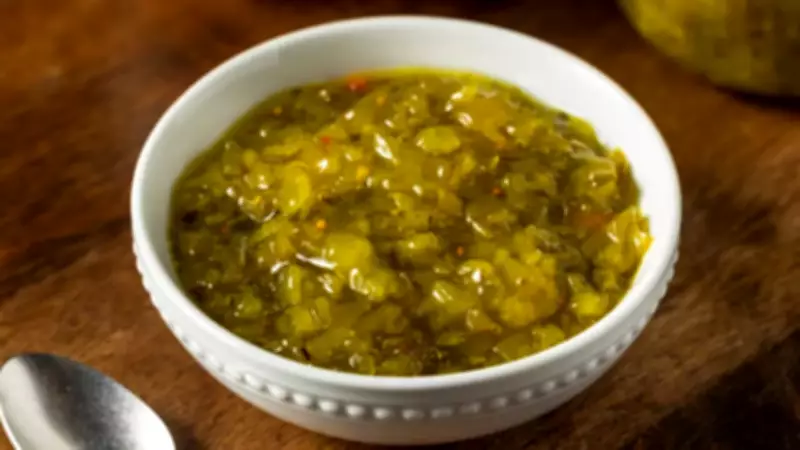
For me, though, its value goes beyond nutrition. It tastes like winter lunches, sunlit terraces, stained palms, and the quiet wisdom of women who fed us well—long before superfoods had a name. Eating this chutney daily, I believe, plays a great role in improving our immunity, and since ingredients like fresh garlic and ginger are added to it, the benefit seems to be even greater. Here is the simplest chutney that anyone can make, and trust me, it is without the bitterness and extreme sourness typical of amla.
Simple Amla Chutney Recipe
Ingredients:
- 5 whole gooseberries
- Black salt to taste
- 2 tbsp fresh jaggery
- 1 tsp roasted cumin powder
- 2 pods of fresh garlic
- 1 inch piece of ginger
- 1 tsp mustard oil
Method:

- Finely chop the amla and carefully remove the seeds.
- In a grinder jar, add the amla and rest of the ingredients.
- Grind to a fine paste.
- Add a little water if required.
- Add mustard oil and mix well.
- You can adjust jaggery as per taste.
My Dadi would make it fresh, as she believed that the benefits would be lost in stale chutney. I make it in the morning, and we consume it the same day, preferably over a long time. Indian cuisine leans heavily on Ayurvedic wisdom, and hence, going back to what our ancestors ate may actually be the solution to several lifestyle ailments.