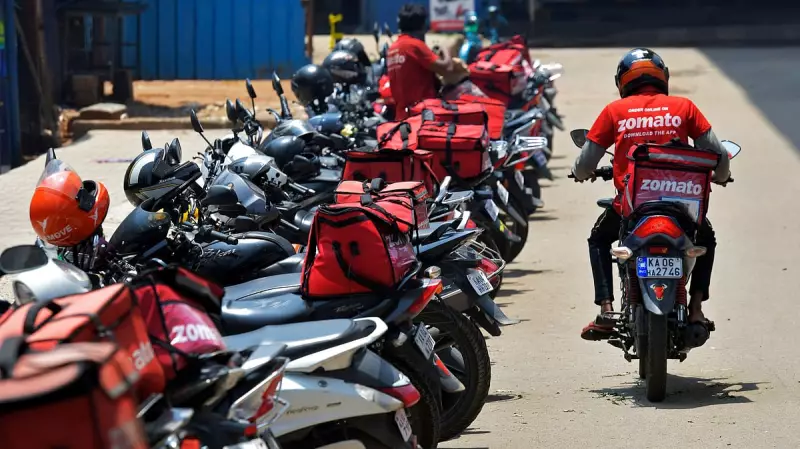
A recent nationwide survey has delivered a damning verdict on the state of India's food delivery ecosystem, revealing widespread dissatisfaction among consumers. The study, conducted by the community social media platform Local Circles, indicates that a staggering 97% of users on food aggregator platforms have reported receiving poor quality food.
Widespread Issues with Packaging and Handling
The findings, which were published on 06 January 2026, paint a concerning picture of systemic failures. Beyond just the quality of the meal itself, the survey highlights critical problems in the last-mile delivery process. Over 90% of consumers across the country stated they have encountered significant issues with food packaging and overall quality when ordering through popular apps.
Digging deeper into the data, the handling of orders emerges as a major pain point. A substantial 56% of respondents confirmed they had received food that was damaged, spilt, or distorted due to poor handling during delivery. This suggests that the problem is not always with the restaurant kitchens but often occurs in the transit phase, pointing to potential gaps in training and processes for delivery personnel.

Consumer Trust at Stake
The survey, spearheaded by Asra Mavad, underscores a growing crisis of confidence in a service that millions rely on daily. What was once hailed as a revolutionary convenience is now a frequent source of frustration for Indian households. The high percentage of complaints indicates that these are not isolated incidents but a prevalent pattern affecting the vast majority of users.
This trend poses a serious challenge for the major aggregator platforms, which have invested heavily in marketing and technology but may be failing at the most fundamental level: delivering a product in acceptable condition. The consistent reports of compromised meals directly impact customer retention and brand loyalty in an intensely competitive market.
Implications for the Gig Economy and Industry Standards
The revelations from the Local Circles survey also cast a spotlight on the working conditions within the gig economy. The pressure on delivery executives to complete orders quickly, often incentivized by per-delivery payments, might be contributing to the careless handling reported by consumers. There is a clear need for a balanced approach that ensures fair treatment of workers while also upholding service quality guarantees for customers.
For the industry, the report serves as a crucial wake-up call. It highlights an urgent need for:
- Enhanced packaging standards that can withstand typical transit conditions.
- Better training and protocols for delivery partners.
- Transparent and effective grievance redressal mechanisms for consumers who receive subpar orders.
As the food delivery sector continues to evolve, this survey data from early 2026 will likely become a key reference point for consumer rights groups and regulators. The findings demand a concerted effort from all stakeholders—platforms, restaurants, and delivery networks—to rebuild trust and ensure that convenience does not come at the cost of consistent quality and reliability.