The Surprising Foreign Roots of Common Indian Vegetables
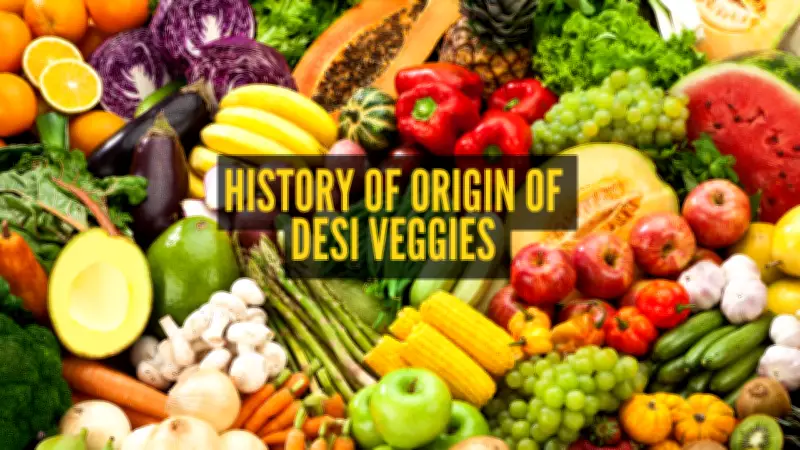
Indian cuisine is celebrated globally for its rich diversity and vibrant use of seasonal produce. A typical Indian kitchen is often stocked with a colorful array of vegetables, reflecting regional and cultural preferences. However, many Indians are unaware that several of these everyday vegetables are not native to the subcontinent. They were introduced centuries ago through trade routes, exploration, and colonial influences, eventually becoming staples in Indian cooking. This article delves into the fascinating history of eight such vegetables, tracing their journeys from distant lands to Indian plates.
Potato (Aloo): The South American Staple
It may be hard to believe, but the ubiquitous potato is not Indian in origin. From aloo paratha and dum aloo to samosas, this versatile vegetable is integral to countless dishes. Its roots trace back to the Andes region of South America, specifically modern-day Peru and Bolivia. Historical records indicate that Portuguese traders brought potatoes to India in the 17th century. Due to their adaptability and nutritional value, potatoes quickly gained popularity and became a dietary mainstay across the country.
Tomato (Tamatar): The Tangy Import
Tomatoes, with their tangy flavor, are another South American import that has seamlessly blended into Indian cuisine. While they form the base of numerous curries, chutneys, and sauces today, tomatoes were not originally part of Indian kitchens. They gained acceptance during the colonial era and have since become indispensable in daily meals, adding depth and acidity to a wide range of recipes.

Chilli (Mirch): The Fiery Addition
The fiery heat that characterizes much of Indian food comes from chillies, which are also foreign to India. Introduced by Portuguese traders from the Americas, chillies quickly replaced native peppercorns due to their intense flavor and ease of cultivation. Today, India is one of the world's largest producers and consumers of chillies, showcasing their deep integration into the culinary landscape.
Cauliflower (Gobhi): A Colonial Legacy
Cauliflower, known as gobhi in Hindi, is a pure colonial addition to Indian cuisine. Originating in the Mediterranean region, it was introduced during British rule. Its compatibility with North India's climate made it particularly popular, evolving into winter staples like aloo gobhi, gobhi paratha, and gobhi bhujiya.
Cabbage (Patta Gobhi): The European Vegetable
Cabbage, or patta gobhi, is another European vegetable that arrived in India through colonial influence. Now a common ingredient, it is used in dishes such as patta gobhi sabzi, salads, pakodas, and desi rolls, demonstrating its versatility in Indian cooking.
Capsicum (Shimla Mirch): A Misleading Name
Despite its name suggesting a connection to Shimla, capsicum is originally from Central and South America. European traders introduced it to India, and it has since become a favorite in savory dishes like pulao, poha, and bhujiya, adding a crisp texture and mild flavor.
Carrot (Gajar): A Complex History
Carrots have a complex origin story. While wild carrots are believed to have originated in Persia, the bright orange variety was developed in Europe. Introduced to India later, carrots gained popularity in dishes such as aloo matar gajar and the beloved dessert gajar ka halwa.
French Beans: As Foreign as Their Name
True to their name, French beans are native to Central and South America. They were brought to India via trade routes and adapted well to local agricultural conditions. Over time, they have become a regular feature in dishes like pulao, bhujiya, and poriyal.
Conclusion: A Culinary Melting Pot
Indian cuisine is a testament to the country's history as a cultural and culinary melting pot. The integration of these eight vegetables—potato, tomato, chilli, cauliflower, cabbage, capsicum, carrot, and French beans—highlights how foreign influences have enriched Indian food traditions. Their stories remind us that food is not just about sustenance but also about the interconnected histories of trade, colonization, and adaptation that shape our diets today.