8 Traditional Indian Foods That Were Once Symbols of Luxury and Status
Before Indian cuisine became the comforting staple it is today, many beloved dishes were once exclusive markers of privilege and wealth. Rare spices journeyed along ancient trade routes, fragrant rice was reserved for royal kitchens, and ingredients like saffron, nuts, and ghee signaled abundance as much as flavor. These foods were not everyday meals but symbols of celebration, status, and opulence. Over time, they transcended palace walls and elite households, finding their way into ordinary kitchens. Here are eight traditional Indian foods that were once considered luxurious, long before they became familiar favorites on festive and family tables.
Saffron: The Golden Spice of Celebration
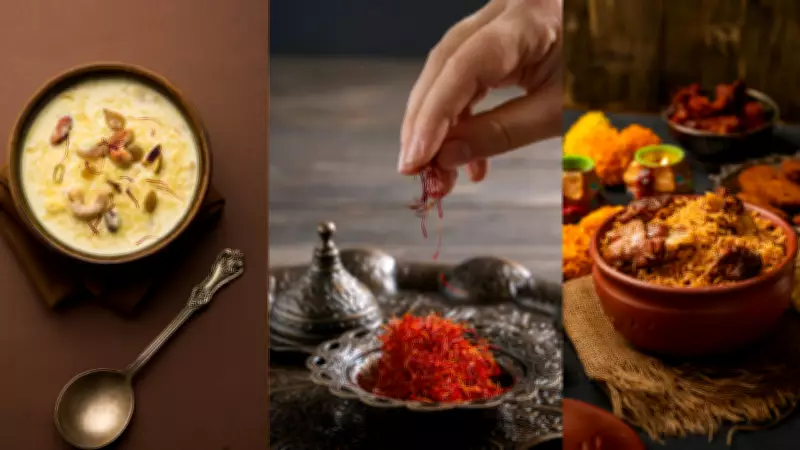
Few ingredients announce luxury as quickly and distinctly as saffron. Britannica describes it as one of the world's most expensive spices, prized for the labor-intensive harvesting process and its long cultivation in regions like Kashmir. In Indian cooking, this scarcity transformed saffron into a marker of special occasions, subtly infusing sweets, rice dishes, and royal preparations where vibrant color and intoxicating fragrance were as important as taste.
Basmati Rice: The Fragrant Grain of Distinction
Basmati was never just ordinary rice; it was always perceived as a step above the rest. APEDA notes it has been cultivated for centuries in the Himalayan foothills, renowned for its long grains, delicate aroma, and soft, fluffy texture. While rice has long been central to Indian food traditions, basmati carved out a unique identity as the fragrant grain chosen for celebratory meals, courtly biryanis, and dishes where the rice itself was meant to impress and delight.

Ghee: The Liquid Gold of Abundance
Today, ghee feels almost commonplace in an Indian kitchen, but historically, it carried profound weight as a symbol of purity, nourishment, and ritual significance. It has deep roots in Indian life, with early Sanskrit writings often describing it as medicinal and nourishing, while cultural histories continue to portray it as an emblem of plenty. In an era when butterfat was precious and refrigeration nonexistent, ghee was a rich, practical luxury that elevated both savory dishes and sweets.
Dry Fruits: The Imported Opulence of Mughal Kitchens
Almonds, pistachios, raisins, and apricots were not always everyday garnishes. In Mughal-era food culture, dry fruits arrived as signs of reach and refinement, often linked with imported abundance and royal tables. Historical accounts of Mughal kitchens describe their lavish use of saffron, nuts, and dried fruits to signal opulence, while later food histories note how these ingredients became integral to the rich language of Indian festive cooking.
Biryani: The Ceremonial Feast of Grandeur
Biryani is now comfort food for many, but its origins are deeply rooted in ceremony and celebration. It is a delicious celebratory meal that emerged in India through Persian influence, and in its Indian forms, it became closely tied to the kitchens of rulers, nobles, and special occasions. The layered rice, meat, yogurt, and spice dish was never designed to be humble; it was crafted to feel abundant, aromatic, and undeniably grand.
Kebabs: The Prestigious Art of Fire and Spice
Kebabs, too, traveled through history as a food of prestige before becoming a mainstream favorite. Britannica traces them to Central Asian and Persian culinary traditions and notes that kebabs and pilaf gained popularity under Mughal influence in India. Their appeal lay in technique as much as taste: carefully spiced meat, mastery of fire, patience, and elegant presentation. In royal kitchens, such meticulous detail was an essential part of the luxury experience.
Kheer: The Gentle Luxury of Festive Desserts
Kheer embodies a gentler, more comforting form of luxury. It is a traditional South Asian dessert made from slowly cooked rice, milk, and sugar, often flavored with saffron, nuts, and cardamom. These ingredients themselves tell a story of indulgence. Milk required patient simmering, nuts were added generously, and saffron was used sparingly but memorably. This is why kheer became a dish reserved for festivals, weddings, and sacred occasions rather than ordinary days.

Shahi Tukda: The Royal Bite of Indulgence
The clue is in the name. Shahi tukda literally translates to "royal piece" or "royal bite," and accounts of the dish trace it to Mughal-era kitchens. Made with bread fried in ghee, then soaked in sweetened milk and topped with nuts and saffron, it transforms a simple base into something rich and ceremonial. It remains a dessert associated with indulgence, precisely because it was built from ingredients that once unmistakably signaled wealth and extravagance.