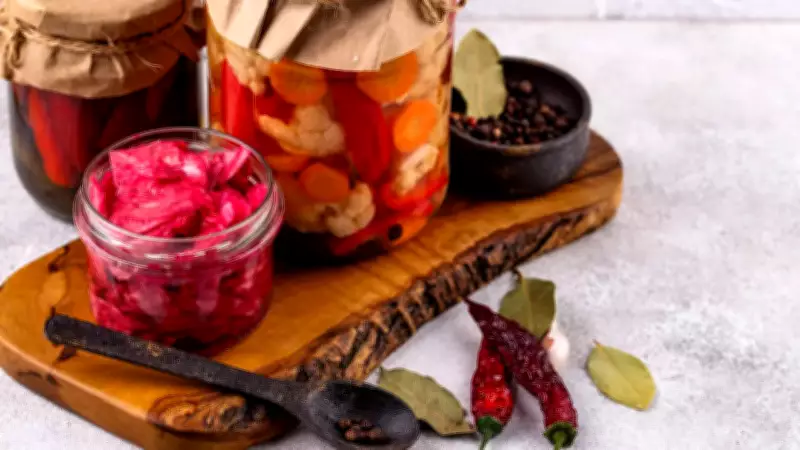
7 Fermented Foods That Taste Better Than Their Original Forms
Fermentation stands as a timeless culinary technique that profoundly alters everyday ingredients while simultaneously boosting their nutritional profiles. This natural process involves beneficial bacteria breaking down sugars and starches, resulting in the development of tangy flavors and intricate aromas. Beyond taste, fermentation supports gut health through the creation of natural probiotics, enhances the body's ability to absorb certain nutrients, and preserves foods for extended periods without relying on artificial additives. Here is an exploration of seven foods that typically become more delicious after undergoing fermentation, complete with straightforward methods for preparing them at home.
Cabbage Transforms into Sauerkraut
Raw cabbage offers a crisp and mild taste, but through fermentation, it evolves into a bright, sour, and utterly addictive condiment. To craft sauerkraut at home, begin by shredding cabbage and mixing it thoroughly with salt. Massage the mixture until the cabbage releases its natural juices. Next, pack the cabbage tightly into a clean jar, ensuring it remains submerged under its own brine. Allow it to ferment at a cool room temperature for several days up to two weeks, opening the jar cautiously once daily if necessary. Once it achieves a tangy flavor to your liking, transfer it to the refrigerator. This fermented delight pairs excellently with toast, rice, or as a side to roast potatoes.
Cucumbers Evolve into Pickles
Fresh cucumbers provide a refreshing crunch, yet fermentation imparts a grassy texture and a deeper, more nuanced bite. For homemade fermented pickles, select firm cucumbers and combine them with garlic, dill, salt, and water. Dissolve the salt in water to create a brine, then pour it over the cucumbers placed in a jar, making certain all ingredients stay fully submerged. Let the mixture ferment for a few days to a week, noting that a longer fermentation period yields a more sour result. These fermented pickles are less sugary than their vinegar-based counterparts and often exhibit far more layered and complex flavors.

Milk Converts into Yogurt
Plain milk is simple in taste, but when fermented into yogurt, it becomes creamy, tangy, and deeply comforting. Start by warming milk until it is just hot, then allow it to cool slightly before stirring in a spoonful of plain yogurt as a starter culture. Keep the mixture in a warm location for several hours until it sets into a thicker consistency. The fermentation process develops a gentle acidity in the flavor. Enjoy yogurt spooned over fresh fruit, swirled into curries, or drizzled with honey. Even a plain bowl of homemade yogurt can feel like a small luxury.
Soybeans Develop into Miso
Soybeans are hearty on their own, but fermentation grants them a savory depth that has established miso as a culinary staple for centuries. While traditional miso preparation requires time and meticulous care, the fundamental concept is straightforward: cook soybeans until soft, mash them, then mix with salt and koji before packing the paste into a clean container. Allow it to age in a cool environment for weeks or even months. Extended fermentation enriches the flavor, making it more complex and robust. A small amount of miso can instantly elevate soups, dressings, and marinades.
Rice and Lentils Become Idli or Dosa Batter
In South Indian culinary traditions, fermentation acts as a quiet yet brilliant transformation. Soaked and ground rice and lentils are left to ferment overnight or longer, depending on ambient weather conditions. The batter rises, becomes airy, and acquires a gentle tang. For idli, steam the fermented batter in molds; for dosa, spread it thinly on a hot pan. Fermentation not only enhances the flavor but also creates the soft, spongy texture of idli or the crispiness of dosa, making these dishes beloved staples.

Chilli Peppers Turn into Hot Sauce
Fresh chillies deliver intense heat, but fermentation adds remarkable dimension. To prepare a simple fermented hot sauce, pack chopped chillies, garlic, and salt into a jar, then cover with brine. Allow the mixture to sit for one to two weeks, during which bubbles will form and the flavors will mellow and deepen. After fermentation, blend the mixture until smooth and strain if desired. The outcome is a hot sauce with personality: sour, salty, fragrant, and significantly more interesting than raw chili alone.
Garlic Matures into a Mellow and Sweet Condiment
Raw garlic is sharp and assertive, but fermented garlic softens into something entirely different—pungent yet sweet, dark, and almost balsamic in character. A simple method involves placing garlic cloves in a salt brine and allowing them to ferment for several weeks. The cloves darken and their flavor becomes rounder and less aggressive. Incorporate fermented garlic into salad dressings, mashed potatoes, or spread on toast. It retains the essence of garlic but with softened edges, offering a versatile and flavorful addition to various dishes.