Six Indian Rice Puddings Earn Global Acclaim in Prestigious Taste Atlas Ranking
In a remarkable testament to India's diverse and ancient culinary traditions, six traditional Indian rice puddings have been recognized among the world's finest desserts. The global food guide Taste Atlas has released its authoritative "Top 32 Rice Puddings in the World" list for 2026, with Indian sweets securing multiple coveted positions. This achievement highlights how rice, a staple grain in Indian cuisine, transcends its role in main courses to become a celebrated ingredient in snacks and desserts worldwide.
The Global Recognition of Indian Desserts
The Taste Atlas ranking is based on 2,496 ratings collected until April 15, 2026, with 1,576 verified as legitimate by the platform's system. Rice's natural properties make it an ideal dessert base: it is easily digestible, gentle on the stomach, naturally gluten-free, rich in fiber, and known to help maintain stable blood sugar levels. These characteristics have contributed to the global popularity of rice-based sweets, with Indian varieties standing out for their unique flavors and cultural significance.
Phirni: Punjab's Chilled Delight
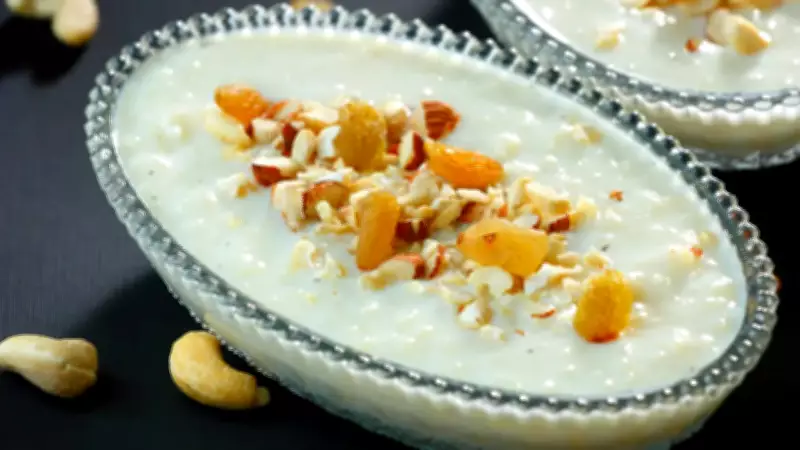
Ranking at number 3 globally, Phirni from Punjab is a luxurious dessert made from ground rice cooked in milk and delicately flavored with almonds, saffron, and cardamom. Traditionally served in small clay bowls called shikoras, this dessert is always eaten well-chilled and garnished with nuts, rose petals, and often adorned with silver paper or chandi warq to enhance its opulent presentation.

Kheer: Odisha's Ancient Offering
Securing the 7th position, Kheer (also known as payasam) represents one of India's most ancient desserts. Made by boiling rice, wheat, or tapioca with milk and sugar, this dish can be further enriched with dried fruits, nuts, cardamom, and saffron. Historical records suggest kheer originated approximately 2000 years ago in the Lord Jagannath Temple in Odisha, where it was traditionally prepared as a sacred offering to deities.
Sakkarai Pongal: Tamil Nadu's Harvest Celebration
At number 15, Sakkarai Pongal from Tamil Nadu is a sweet, buttery dish prepared with freshly harvested new rice, jaggery, and ghee, complemented by dried coconut, sesame seeds, raisins, milk, and cashew nuts. This dessert holds deep cultural significance as a traditional offering to the Sun God during Makar Sankranti, the three-day harvest festival celebrated in mid-January across Tamil Nadu, Karnataka, and Andhra Pradesh. It is typically served alongside savory vadas and coconut chutney.
Pongal: Tamil Nadu's Prosperity Symbol
Ranking 19th globally, Pongal is another rice pudding from Tamil Nadu traditionally cooked in clay pots over open fires. The preparation involves boiling milk and water first, with Tamil beliefs holding that if the liquid spills over the pot, it brings good luck and prosperity to the family. Rice is then added with either sweet (sakkarai) or savory (ven) ingredients. Served on banana leaves, this dish is consumed only after family prayers to the Sun god.
Doodhpak: Gujarat's Spiced Sweet
Gujarat's Doodhpak claims the 24th position, featuring a simple yet flavorful combination of milk, rice, and sugar. This dessert is typically enhanced with spices like cardamom, nutmeg, or saffron, and adorned with dry fruits and nuts including almonds, pistachios, and charoli (chironji).
Ven Pongal: Tamil Nadu's Savory Specialty
Completing the Indian representation at number 26, Ven Pongal is a savory Tamil dish made with rice and moong dal (yellow split lentils). The name "ven" means white in Tamil, referring to the dish's light-colored appearance, while "pongal" means to boil over, symbolizing prosperity and abundance. This preparation features a tempering of black pepper, cumin, curry leaves, and ghee, with additional flavors from cumin, ginger, and cashews.

The inclusion of these six Indian rice puddings in the global Top 32 list underscores India's significant contribution to world cuisine. From ancient temple offerings to harvest festival specialties, these desserts represent not just culinary excellence but also deep cultural traditions that have been preserved and celebrated for centuries. The recognition by Taste Atlas brings well-deserved international attention to India's rich dessert heritage, demonstrating how traditional recipes continue to captivate global palates in the modern culinary landscape.