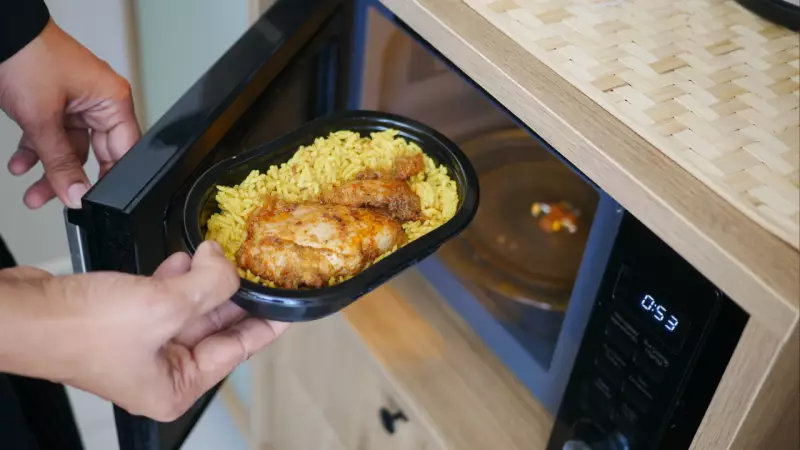
In countless Indian kitchens, reheating yesterday's meal is a daily ritual to prevent waste and save time. However, this seemingly harmless practice can quietly transform your wholesome leftovers into a health hazard. The issue isn't just about losing flavour or texture; it's about dangerous chemical changes and bacterial growth that reheating can't reverse. Understanding which foods are risky and why is crucial for every household. Here are five everyday foods that demand extra caution once they've been cooked and cooled.
The Hidden Dangers in Your Lunchbox
Many believe that piping hot food is always safe, but this is a dangerous misconception. The real threat often lies in how food is stored before it is reheated. Bacteria like Bacillus cereus and Clostridium botulinum can produce heat-stable toxins that survive even thorough reheating. The key to safety lies in rapid cooling and proper refrigeration.
1. Rice: A Staple with Stealthy Risk
Cooked rice is perhaps the most frequently reheated item, yet it tops the list of risky foods if handled poorly. Raw rice often carries spores of Bacillus cereus, a bacterium that survives the cooking process. If cooked rice is left standing at room temperature for extended periods—a common scenario in many homes—these spores germinate, multiply, and produce toxins. Crucially, reheating does not destroy these toxins. Therefore, rice that was improperly stored can cause illness even when served steaming hot. The safe protocol is to cool rice quickly after cooking, refrigerate it within one hour, and reheat it only once until it is thoroughly hot all the way through. Rice left out overnight and reheated for breakfast is a classic cause of food poisoning.

2. Potatoes: Beware of Botulism
Freshly cooked potatoes are perfectly safe, but the danger emerges during cooling and storage. When cooked potatoes are left at room temperature, especially when wrapped in foil or kept in an airtight container, they create an ideal low-oxygen environment for Clostridium botulinum to grow. This bacteria produces a potent neurotoxin that reheating cannot neutralise. Baked potatoes left on the kitchen counter pose a particular risk. To stay safe, cool potatoes rapidly, store them in the refrigerator, and ensure they are reheated to a high temperature throughout. Cream-based potato dishes like mashed potatoes spoil even faster.
3. Eggs: A Protein-Packed Peril
The structure of eggs changes with heat, making them particularly sensitive. Reheating dishes like scrambled eggs (bhurji), omelettes, or egg curries can be unsafe if they were not stored correctly initially. The primary risk is Salmonella growth, which thrives when egg dishes cool slowly at room temperature. Microwaving often leads to uneven reheating, leaving cold spots where bacteria survive. Hard-boiled eggs are best eaten cold or freshly prepared. For egg-based gravies and curries, reheat only once and only if they were promptly refrigerated after the first meal.
4. Spinach and Leafy Greens: The Nitrate Problem
Green vegetables like spinach (palak), fenugreek (methi), and bathua are nutritional powerhouses but contain natural nitrates. When these cooked greens are cooled slowly and then reheated, the nitrates can convert into nitrites and potentially harmful nitrosamines. While the risk is not acute poisoning, repeated reheating of leafy greens is not advised, especially for young children. It's healthiest to consume these vegetables fresh. If you must store them, reheat minimally and just one time. Using leftover cooked greens in cold salads or raitas is a safer alternative.
5. Chicken and Other Meats: A Breeding Ground for Bacteria
Protein-rich foods like chicken, mutton, and fish are highly susceptible to bacterial contamination when reheated. The protein structure itself changes with improper cooling and reheating, making it harder to digest. Moist, gravy-rich meat dishes provide a perfect breeding ground for microbes. The common mistake is reheating until the exterior is hot while the interior remains lukewarm. Meat must be reheated until it is steaming hot all the way through. Reheating meat dishes more than once significantly amplifies the risk of foodborne illness.

Smart Practices for Safe Leftovers
The golden rule is not to fear leftovers but to manage them wisely. Always cool cooked food quickly and transfer it to the refrigerator within one hour of cooking. When reheating, ensure the food reaches a uniform, high temperature. Most importantly, understand that reheating cannot fix poor storage. By giving special attention to these five common foods, you can enjoy your meals safely and continue the Indian tradition of mindful, waste-free cooking without compromising your family's health.