The Hidden Dangers of Frozen Convenience Foods
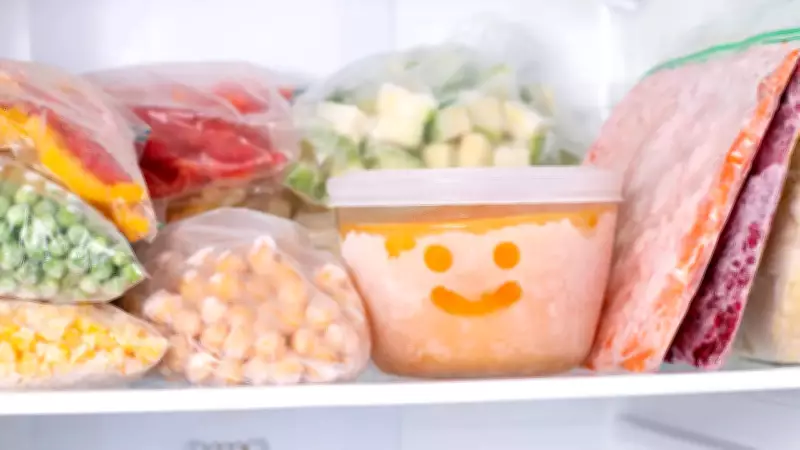
In today's fast-paced world, where every minute is precious, the frozen food market has emerged as a lifesaver for many busy individuals. From frozen French fries and parathas to ready-to-eat curries, these items are readily available on delivery apps with just a single click. All you need to do is reheat or simmer them briefly, and your meal is ready. However, the critical question remains: are these frozen foods truly nutritious? The resounding answer from health experts is a definitive no.
Why Frozen Foods Pose Health Risks
Frozen convenience foods are typically made with refined flours, pre-fried oils, or hydrogenated fats, which contribute unnecessary calories and unhealthy fats to your diet. Moreover, the freezing process and long-term storage can significantly reduce the nutritional value of vegetables, proteins, and spices, leaving your body deficient in essential vitamins and antioxidants. Over time, frequent consumption of these processed frozen items can lead to weight gain, digestive discomfort, elevated blood pressure, and an increased risk of lifestyle diseases such as Type 2 Diabetes and heart conditions. It is time to reevaluate our eating habits and prioritize fresh, wholesome ingredients over convenience.

Top 10 Frozen Foods to Discard Immediately
- Frozen French Fries: While they appear to be a quick snack that only requires deep-frying, frozen French fries are often pre-fried in refined oils and contain excessive amounts of salt. This makes them calorie-dense and nutritionally poor, increasing the risk of obesity and related health issues. These processed foods are packed with trans fats and preservatives that can harm heart health over prolonged periods.
- Frozen Meat: For non-vegetarians, frozen meat might seem like a hygienic source of protein and nutrients. However, experts caution that these products are high in saturated fats, sodium, and chemical preservatives, which can elevate the risk of chronic diseases. Even frozen momos and dumplings fall into this category, as they often use low-quality flour and fillings with hidden sodium content.
- Frozen Pasta Meals: After a long day at work, frozen pasta meals loaded with veggies and meat might seem like a nutrient-rich option. Unfortunately, they are frequently laden with creamy, calorie-heavy sauces and high sodium levels to extend shelf life. This can negatively impact blood sugar, cholesterol levels, and overall health in the long run.
- Waffles: Making waffles from scratch can be challenging, but opting for frozen versions is not a healthy alternative. These waffles are primarily made with maida (refined flour) and contain heavy sodium content, which is detrimental to the body. They can cause rapid spikes in blood sugar, fail to keep you full for long, and their high glycemic index and added sugars may lead to sudden energy crashes, especially for individuals managing Type 2 Diabetes. Additionally, artificial flavors and preservatives can affect overall health with frequent consumption.
- Frozen Protein-Rich Tikkis: Social media often promotes these packaged tikkis as smart protein choices, but they typically contain preservatives, stabilizers, and flavor enhancers that are not ideal for long-term gut health. The protein in these tikkis often comes from processed soy isolates or powders, which are less beneficial than whole food protein sources.
- Stir-Fries: Chopping and sautéing vegetables can be tedious, leading many to pair homemade pasta or rice with fiber-rich frozen stir-fries. While this combination seems healthy, the use of frozen stir-fries undermines its benefits. Experts note that these products often include ready-made sauces loaded with salt, which can cause water retention, bloating, and high blood pressure over time. These sauces also contain added sugars, contributing to unwanted calorie intake and affecting blood sugar levels. Preservatives, flavor enhancers, and stabilizers used to maintain taste and shelf life are harmful to gut health.
- Frozen Sandwiches: Frozen sandwiches look tempting and serve as a convenient breakfast option. However, they usually contain processed meats, cheese, and sauces that are high in salt. Excessive sodium intake can lead to water retention, bloating, and high blood pressure with frequent consumption. The bread used is typically made from white or refined flour, which spikes blood sugar and provides low fiber, leaving you hungry soon after eating. To extend shelf life, these sandwiches are coated with preservatives, flavor enhancers, and stabilizers that may impair digestion and gut health.
- Frozen Parathas: Rolling rotis or parathas can be challenging, but the frozen alternative poses even greater health risks. Packaged parathas are mostly made with maida, which lacks fiber and can spike blood sugar levels. To prolong shelf life, they often contain added salt and chemical preservatives, contributing to high blood pressure and water retention. Many brands pre-apply oil, ghee, or hydrogenated fats before freezing, which are high in calories and trans fats, negatively impacting heart health over time.
- Frozen Curries: From Kadhai Paneer to Chicken Curry, the frozen food industry offers a wide variety of curries. Unfortunately, these are not healthy choices. Many frozen curries contain added salt and preservatives to extend shelf life, leading to water retention, bloating, and high blood pressure when consumed regularly. They also include stabilizers, flavor enhancers, and preservatives that are detrimental to gut health.
- Frozen Dals: Whether it's Dal Tadka or the iconic Dal Makhani, frozen dal preparations are widely available but should be avoided at all costs. These products typically contain chemical preservatives, flavor enhancers, or stabilizers that pose health risks.
Embrace Fresh and Healthy Eating Habits
It is crucial to recognize that while frozen foods offer convenience, they often come at the cost of your health. By eliminating these ten frozen items from your kitchen pantry, you can take a significant step toward adopting fresher and healthier eating habits. Prioritize whole, unprocessed ingredients to ensure your body receives the essential nutrients it needs to thrive.