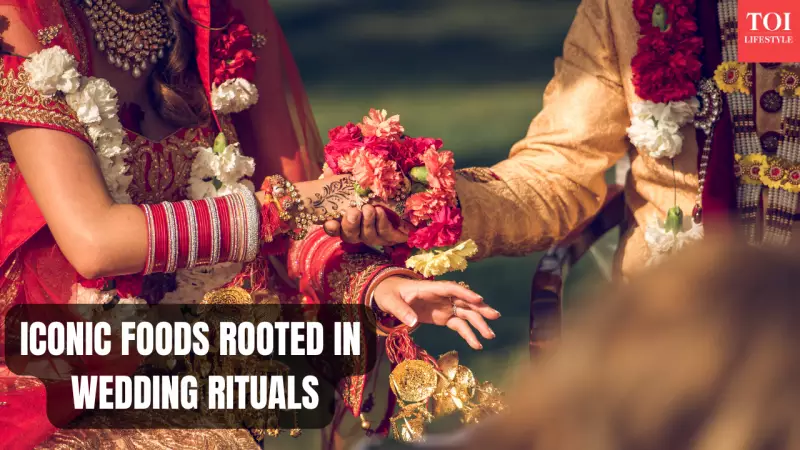
The Sacred Menu of Indian Weddings: More Than Just Food
Indian weddings represent a vibrant tapestry of colors, lights, rituals, and blessings where food plays a role far beyond mere sustenance. Long before elaborate buffets and multi-cuisine counters became wedding highlights, sacred rituals featured their own symbolic menus. These traditional dishes, simple yet profound, were never consumed just for flavor but offered for their deep cultural meanings that bless couples embarking on new lives together.
Regional Wedding Delicacies and Their Symbolic Meanings
Across India's diverse states and communities, certain foods consistently appear in wedding ceremonies, each carrying specific blessings, prayers, and promises for the newlyweds. Here are ten such traditional foods that remain deeply woven into Indian wedding culture and their fascinating significance.
North India's Auspicious Beginning: Dahi-Chini
Before any significant ritual or when the bride or groom prepares to leave for the mandap, they receive a spoonful of dahi mixed with sugar. The curd serves to cool the mind while the sugar sweetens the moment. This combination represents a blessing for smoothness, calmness, and trouble-free new beginnings. The balance between tangy and sweet beautifully symbolizes how two individuals blend their differences into harmonious partnership.

Gujarat & Rajasthan's Prosperity Sweet: Lapsi
Many Gujarati and Rajasthani families prepare lapsi during pre-wedding pujas before festivities commence. This sweet dish made from wheat and jaggery carries deep symbolism - wheat represents prosperity and growth while jaggery brings sweetness and abundance. Lapsi functions as more than dessert; it ritually announces the family's entry into an auspicious period. The first spoon is offered to deities before being shared among family members, providing an early taste of the joy awaiting the couple.
Tamil Purity Offering: Paalum / Paal Pongal
During muhurtham ceremonies in Tamil weddings, this simple mixture of milk and rice is offered to deities. Milk symbolizes purity and divine blessings while rice carries the energy of sustenance and abundance. Together, they form a prayer for a home that never lacks nourishment, whether material or emotional. The dish's simplicity underscores its power - pure ingredients for a pure beginning to married life.
Maharashtrian Obstacle Remover: Modak
In many Maharashtrian households, particularly during Gauri-Ganesh rituals surrounding weddings, modaks are offered as the bride's family seeks Lord Ganesha's blessings. As the remover of obstacles, Ganesha clears the couple's path from both visible and unseen hurdles. Offering his favorite sweet becomes an act of devotion and symbolic request for smooth, obstacle-free married life.
Eastern & Southern India's Binding Symbol: Paan
Paan transforms into a sacred element during wedding rituals through the Tambulam exchange, where families offer betel leaves, areca nut, fruits, and gifts to one another. Betel leaf represents freshness and fertility while areca nut signifies commitment and strength. Exchanging paan demonstrates acceptance, respect, and the binding of two families rather than just two individuals. Many traditions also place paan near deities or sacred fires as carriers of blessings.
Uttar Pradesh & Awadh's Fragrant Blessings: Sehra Khushboo Sweets
When the groom's sehra is tied, tiny sugar crystals or fragrant dry-fruit sweets are distributed among attendees. This seemingly small moment carries profound meaning: sugar celebrates purity and happiness while dry fruits represent richness and stamina. The distribution act spreads blessings from the groom's home to all present, with the belief that sweetening this moment sweetens the entire journey ahead.
North & West India's Golden Elixir: Suhag Ras
Served to both bride and groom in many communities, this golden-hued milk preparation, often containing saffron, represents love, vitality, warmth, and well-being. Saffron itself is an auspicious spice associated with purity, fire energy, and good health. Offering it to the couple becomes a prayer that their married life glows with similar qualities - fragrant, warm, and prosperous.

Punjab & Haryana's Prosperity Basket: Roti Tokri
When the bride departs for her new home during the doli ceremony, she carries a small basket containing rotis or batashas. This powerful symbolism represents her bringing prosperity into her new household. As food embodies nurturing essence, carrying roti symbolically conveys abundance, warmth, and the ability to keep the new family bonded and nourished. This ritual marks her transition from daughter to lady of the new household.
Rajasthan's Honeycomb Celebration: Ghevar
This distinctive honeycomb-shaped sweet plays a central role in Sinjara, Teej, and pre-wedding rituals. Often sent from the bride's home to the groom's home, ghevar signals goodwill, sweetness, and celebration. Its circular shape represents wholeness and life's cyclical nature, while its preparation method - deep-fried, delicate, and syrup-soaked - symbolizes the richness and generosity of festive beginnings.
Pan-India Welcome Dish: Kheer/Payasam
In numerous Indian households, when the bride enters her new home for the first time, kheer or payasam becomes the first cooked dish. This preparation combines milk (symbolizing purity), rice (representing growth), and sugar (denoting auspiciousness) to create a dish that marks sweet welcome and beginning. This constitutes the first cooking act in her new life phase, inviting blessings for prosperity and harmony.
Tamil Brahmin Sacred Rice: Kaikuthal Arisi
Hand-pounded rice used during homams and sacred rituals carries ancient symbolism in Tamil Brahmin weddings. Being less processed and closer to nature, it signifies purity, ancestral wisdom, and unbroken connection to tradition. When offered into sacred fire, it conveys a message to the divine: may the couple's life remain grounded, blessed, and protected by preceding generations.
The Enduring Legacy of Wedding Food Symbolism
These ten traditional foods demonstrate how Indian wedding cuisine transcends culinary pleasure to become vessels of cultural wisdom, spiritual significance, and heartfelt blessings. Each dish, whether simple or elaborate, carries generations of meaning that continue to enrich the sacred journey of marriage, reminding us that in Indian traditions, food nourishes not just the body but the soul of relationships.