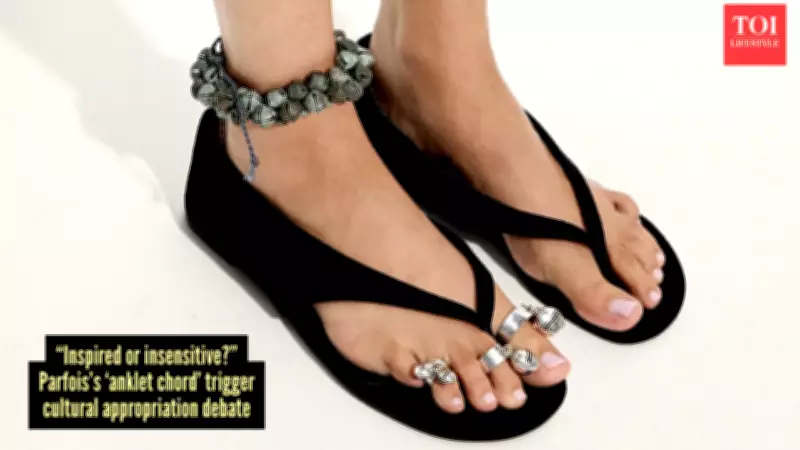
Parfois Faces Criticism for Ghungroo-Inspired Footwear Design
The Portuguese fast-fashion brand Parfois has ignited a significant controversy with its latest product release, drawing sharp criticism for designs that closely resemble traditional Indian ghungroos. This incident follows similar debates involving brands like Prada, highlighting ongoing tensions in the fashion industry over cultural appropriation.
Sacred Symbolism Versus Fashion Trend
Ghungroos are not merely decorative accessories; they hold profound cultural and spiritual significance in India. Worn primarily by Kathak and Bharatanatyam dancers, these ankle bells symbolize discipline, rhythm, and years of dedicated training. A guru typically ties them onto a dancer's ankles as part of their artistic journey, with the number of bells increasing as the dancer advances—starting from sets of 25 per ankle and potentially reaching up to 3000 or 4000. Each step produces sound, serving as a sonic extension of the performer's art and devotion.
In contrast, Parfois has introduced a pair of black platform shoes featuring an 'anklet-cord' with bells that mimic the appearance of ghungroos. This design, marketed as a trendy fashion item, reduces a sacred cultural artifact to a fleeting style statement without acknowledging its origins. The brand offers the anklet separately or as part of the shoe set, creating noise with movement, but this has sparked outrage among Indians and cultural advocates who view it as disrespectful appropriation.

Broader Context of Fast Fashion Exploitation
This controversy is not an isolated incident. Fast-fashion brands have long been criticized for borrowing elements from traditional crafts and cultures without proper recognition or credit. For instance, Prada previously faced backlash for its interpretations of Kolhapuri footwear, sensitizing Indian communities to such issues. The debate around Parfois's design underscores a recurring pattern where global fashion brands blur the lines between inspiration and exploitation, often prioritizing profit over cultural sensitivity.
Online discussions have surged, with many arguing that fashion does not exist in a vacuum. Every motif or symbol carries historical weight that deserves appreciation and respect. In today's interconnected world, what one wears conveys not just style but also sensitivity to stories and significances embedded in cultural artifacts.
Implications for the Fashion Industry
The Parfois controversy serves as a stark reminder that consumers and communities are increasingly vigilant about cultural appropriation. It highlights the need for brands to engage in more ethical practices, such as collaborating with cultural experts or providing clear attributions when drawing inspiration from traditional elements. Failure to do so can lead to public backlash and damage to brand reputation.
As the fashion landscape evolves, there is a growing demand for authenticity and respect in design. This incident reinforces that sensitivity and awareness are crucial in creating products that honor rather than exploit cultural heritage.