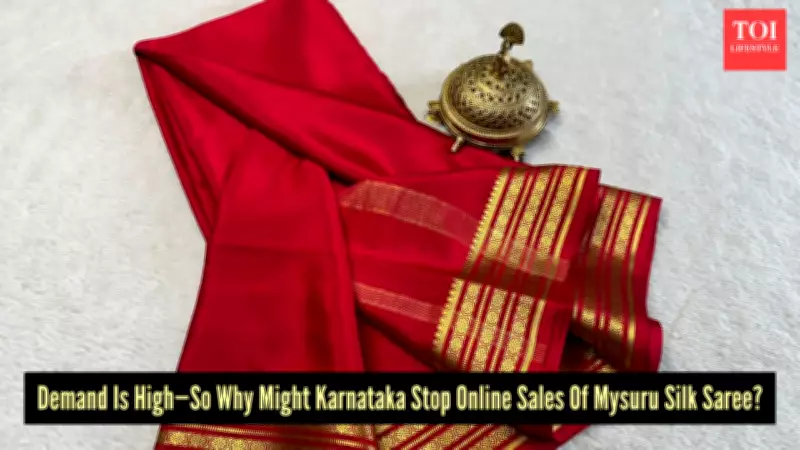
Karnataka's Iconic Mysuru Silk Sarees May Vanish from Online Stores
The renowned Mysuru silk saree, a celebrated handwoven textile from India, faces an unexpected shift in its sales strategy. Despite soaring demand, Karnataka authorities are considering a temporary pause on online sales, igniting discussions among weavers, saree aficionados, and fashion experts. This potential ban raises questions about the future accessibility of this cultural treasure.
Why the Proposed Online Sales Pause?
According to reports from the Financial Express, Karnataka's sericulture minister, K. Venkatesh, informed the state assembly that the Karnataka Silk Industries Corporation (KSIC) produces approximately 400 sarees daily. This limited output has led to a scenario where online orders are rapidly depleting stock, leaving local customers with reduced supply. The plan aims to ban or restrict online sales temporarily, prioritizing individuals who physically visit KSIC outlets to ensure fair distribution.
The Popularity and Craftsmanship of Mysuru Silk Sarees
Mysuru silk sarees are esteemed for their exquisite sheen, superior quality, and meticulous craftsmanship. Crafted from pure mulberry silk and adorned with gold zari and silver threads, these sarees hold a Geographical Indication (GI) tag, underscoring their heritage, cultural significance, and authenticity. KSIC has been producing these textiles since 1912, cementing their status as a premier product from Karnataka.

Production and Market Demand Insights
KSIC manufactures around 400 sarees per day, with sales data from the past three years revealing that about 3.1 lakh sarees were sold, leaving only 1,000 unsold. This indicates robust market demand. Authorities intend to resume online sales once production increases and the supply chain stabilizes, attributing the sarees' appeal to their high quality and traditional weaving techniques.
Infrastructure Concerns and Government Response
Recently, KSIC's managing director expressed concerns that constructing a stadium on the factory's 5-acre premises could disrupt water supply lines to the silk extraction unit. In response, the government has halted this decision, recognizing the high demand evidenced by long queues outside KSIC outlets across the state. This move aims to protect production capabilities and meet consumer needs effectively.