The Alarming Water Footprint of Your Favorite Jeans
Every wardrobe contains that perfect pair of jeans—ideal in fit, color, and style, seemingly tailored just for you. However, behind those comfortable seams lies a stark environmental reality. The production of a single pair of jeans consumes approximately 3,781 liters of water. To put this into perspective, that volume could meet one person's drinking water needs for about five years or keep a low-flow shower running continuously for over seven hours.
India's Textile Industry: Economic Powerhouse with Environmental Challenges
In India, where 163 million people lack access to safe drinking water, this statistic transcends mere numbers—it represents a critical environmental and social concern. The textile sector is a cornerstone of the Indian economy, contributing 2.3% to GDP and employing more than 45 million people. Despite its economic significance, it ranks among the largest consumers and polluters of water resources nationwide.
Wet processing units, where fabrics undergo dyeing, printing, and finishing, are particularly resource-intensive. In industrial hubs such as Tirupur and Faridabad, groundwater depletion and contamination have escalated to alarming levels. This scenario underscores an urgent need for transformative technologies to overhaul traditional production practices and mitigate environmental damage.

Digital Textile Printing: A Sustainable Revolution
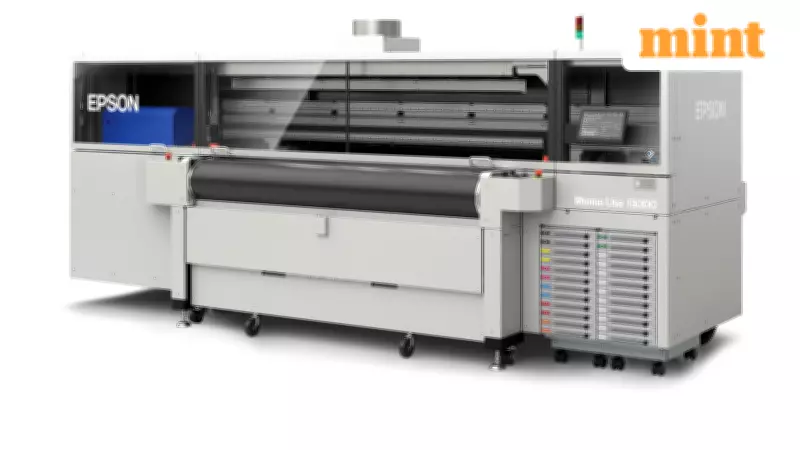
Digital textile printing emerges as a viable and innovative solution to these challenges. Unlike conventional rotary or screen printing methods, digital printing minimizes pre- and post-treatment requirements, especially when using pigment inks that eliminate extensive steaming and washing processes. For instance, Epson's Monna Lisa ML-13000 digital textile printer can reduce water usage by up to 97% compared to traditional textile printing techniques.
Beyond its environmental benefits, digital printing facilitates on-demand production, which helps reduce overstocking and fabric waste. By enabling compact systems to be located near consumption centers, it shortens supply chains and ensures fashion items are produced only in necessary quantities, promoting efficiency and sustainability.
Industry Voices on Responsible Innovation
"The future of fashion lies in responsible innovation," asserts Samba Moorthy, President of Epson India. "Through our advanced digital printing technologies, Epson is empowering manufacturers to reimagine their production processes by significantly cutting water use, minimizing waste, and embedding sustainability at the core of fashion manufacturing."
Beyond Printing: Pioneering Waterless Recycling with Dry Fiber Technology
Epson is also advancing sustainability through its prototype Dry Fiber Technology for textiles. This innovative approach defibrates used garments and mill waste into base fibers, which can then be transformed into new non-woven fabrics. Crucially, the defibering process is waterless, addressing both excessive water consumption and the global issue of low clothing recycling rates.
At Paris Haute Couture Week, designer Yuima Nakazato showcased garments made from non-woven fabric produced using Dry Fiber Technology. By utilizing recycled clothing and production waste, Nakazato demonstrated that high fashion can seamlessly integrate sustainability, setting a precedent for the industry.
Reflecting on Fashion's Future
These technological innovations signal a promising shift toward a future where style and environmental responsibility coexist harmoniously. The next time you slip into your favorite jeans, consider their origins: How were they manufactured? Could alternative, more sustainable methods have been employed? True style extends beyond aesthetics—it encompasses a commitment to positive, sustainable impact.
Note to the Reader: This article is part of a promotional consumer connect initiative and is independently created by the brand. The publisher assumes no editorial responsibility for the content.