The Disappearing Glimmer: How Gold Prices Are Erasing Real Zari from Indian Textiles
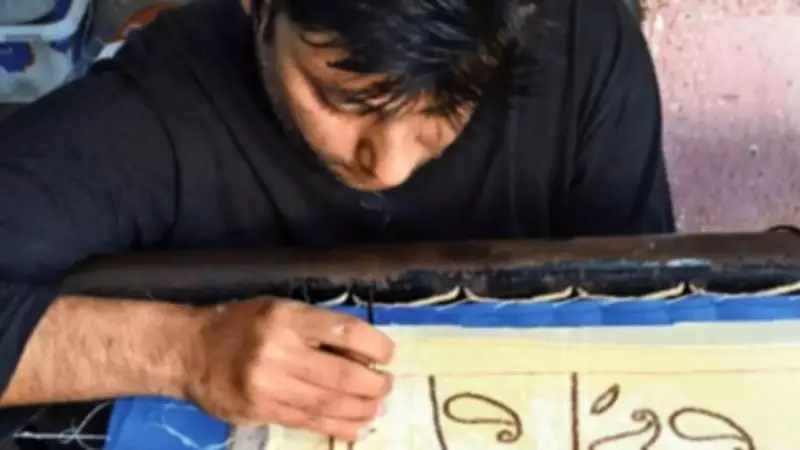
For centuries, the radiant borders of India's most exquisite saris and bridal outfits were crafted with genuine gold and silver threads. Artisans meticulously drew and flattened these precious metals, passing down their skills through generations. Today, however, the shimmer in wedding halls across India is increasingly a product of modern chemistry rather than traditional metallurgy, as soaring gold prices drive a dramatic transformation in zari production.
A Radical Shift in Materials and Market Dynamics
The last five to six years have witnessed a complete overhaul in how zari is made. In 2021, gold was priced at approximately Rs 42,758 per 10 grams; it has now skyrocketed to around Rs 1,48,465. This surge has rendered delicate embroidery with real metals unaffordable for most manufacturers and buyers, despite a concurrent rise in demand for opulent luxury saris, lehengas, and heirloom bridalwear.
Surat, India's zari capital, continues to dominate production, but the raw materials have fundamentally changed. Instead of gold and silver, factories now churn out over 600 tonnes of copper and brass wire monthly, electroplated to mimic the warm glow of gold and the cool shimmer of silver. Sanmukhlal Kinkhabwala, CEO of Ratilal Kinkhabwala & Sons, notes that this shift is irreversible, with most mass-production units abandoning real gold zari over the past decade.

The Economics of Imitation: Cost Comparisons and Market Shares
The financial disparity is stark. Metallic yarn zari, a lightweight, non-tarnishing thread made from metallised polyester film, costs about Rs 300 per kilo. Imitation zari, crafted from copper or brass wire, is priced at around Rs 2,500 per kilo. In contrast, real gold zari would cost several crores per kilo at current gold rates.
Kinkhabwala reveals that yarn zari now captures 50% of the market, while imitation zari holds a 40% share. Pure silver zari accounts for less than 10%, and gold zari is produced only on special demand. This decline has been sharp since the Covid-19 pandemic, reshaping an industry that employs over 1,05,000 artisans directly in Surat alone, with many being low-wage migrants from Bihar earning between Rs 7,000 and Rs 9,000 monthly for seasonal work.
The Emergence of a Hybrid Market and Designer Perspectives
Even traditional strongholds like Varanasi and Kanchipuram are feeling the impact, as imitation threads increasingly enter their looms. A pure-zari sari can now cost upwards of Rs 5 lakh, leading to a hybrid market where buyers seek the nostalgia and aesthetic of heritage textiles but opt for more affordable alternatives.
Fashion designers are acutely aware of this change. Swati Patel of Sajitha Couture in Surat states that an entire generation of brides has moved away from real gold zari, with no orders received in recent years. She explains that while goldplated zari is available, its expense has become prohibitive, making client demand for authentic threads rare compared to a decade ago.
Preserving Legacy in Luxury Couture
At the high-end of fashion, however, the legacy of real zari persists, albeit as a niche specialty. Designer Manish Malhotra emphasizes that real zari remains in demand for high-profile weddings, requiring deliberate and controlled sourcing. He collaborates with artisans who produce traditional gold and silver zari for woven textiles and trusted experts for embroidery, ensuring purity and weight are meticulously maintained.
Malhotra believes the craft is still alive, now reserved for heirloom pieces and luxury bridalwear. Brides today want ensembles that feel rooted in history, he says, leading to a renewed appreciation for zari craftsmanship. Techniques like aari and zardozi remain popular for their depth and richness, often applied to silk fabrics such as Banarasi silks, where clients invest in pieces that carry legacy and lasting charm.
Conclusion: A Cultural Shift with Enduring Appeal
The sheen of zari may now more often stem from copper and plastic than from gold and silver, but its cultural significance endures. Indian bridalwear continues to glitter, reflecting a market adaptation to economic realities while preserving artistic heritage in exclusive circles.