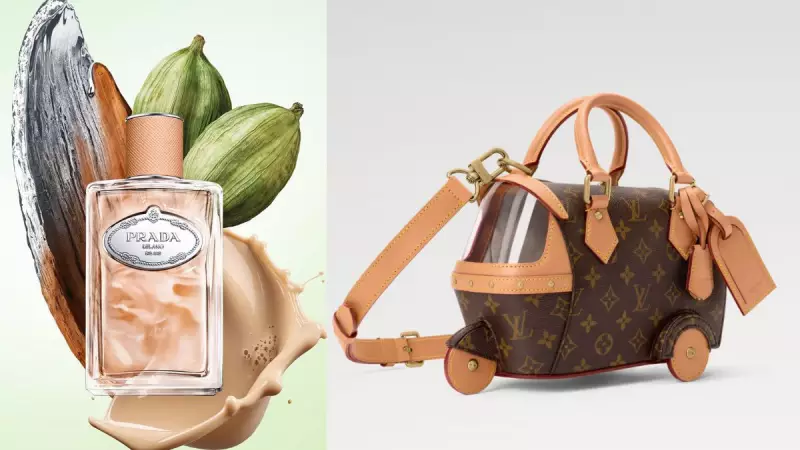
In a fascinating trend that blends cultural homage with commercial creativity, several prominent global brands are launching products directly inspired by the vibrant tapestry of Indian life. Moving beyond traditional motifs, these companies are interpreting everyday Indian experiences into high-end, and often quirky, luxury items. From the ubiquitous aroma of street-side tea to the iconic silhouette of a three-wheeled taxi, these offerings are as unconventional as they are intriguing.
From the Streets to the Shelves: Unusual Inspirations
The list of bizarre yet fascinating items is growing. One of the most talked-about creations is a perfume that captures the essence of Indian masala chai. Created by a niche fragrance brand, this scent aims to bottle the comforting, spicy aroma of the beloved tea drink, evoking memories of roadside stalls and morning rituals.
Equally eye-catching is a luxury handbag that takes its design cues from the humble auto-rickshaw. A major fashion house reimagined the vehicle's distinct shape, canopy, and even its color palette into a high-fashion accessory, turning a symbol of everyday commute into a statement piece.

Other notable products include footwear designed to resemble traditional juttis but with a futuristic twist, and high-end kitchenware that mimics the shape and pattern of classic matkas (earthen pots). There's even reported experimentation with sari-inspired tech accessories and gourmet foods that repackage classic Indian street snacks with a premium global twist.
The Strategy Behind the Quirk
This move by global brands is not merely random experimentation. Analysts see it as a targeted strategy to connect with the affluent and growing Indian consumer market, as well as with global audiences fascinated by Indian culture. By tapping into deeply familiar and nostalgic elements, these brands aim to create an emotional resonance that goes beyond conventional marketing.
The products often sit at the intersection of irony and luxury, challenging conventional notions of what high-end goods should look or smell like. They represent a bold attempt to translate cultural capital into commercial success, leveraging India's rich heritage and contemporary vibrancy.
However, this trend also sparks conversations about cultural appropriation versus appreciation. While some celebrate the global spotlight on Indian motifs, others question the authenticity and context when these elements are repackaged by foreign entities for luxury consumption.
Market Reception and Cultural Commentary
The reception to these weird and wonderful products has been mixed but undoubtedly loud. They generate significant social media buzz and media coverage, achieving the primary goal of brand visibility and conversation. For the global luxury consumer, they offer an exotic novelty. For the Indian consumer, they can be a source of pride, puzzlement, or critique.
This trend underscores India's significant influence on the global design and fashion landscape. It highlights how the country's sensory experiences—its smells, sights, and sounds—are becoming a source of inspiration for innovators worldwide. Whether it's the spicy warmth of chai or the chaotic charm of its streets, India is providing a new vocabulary for product design.
As reported, this wave of innovation shows no signs of slowing down. More brands are likely to delve into India's vast cultural reservoir, meaning consumers can expect even more unexpected fusions to hit the market. The success of these items will ultimately depend on whether they are seen as thoughtful tributes or mere gimmicks, but one thing is certain: they have already succeeded in making the world look at everyday Indian life through a new, albeit bizarre, lens.