The landscape of Indian urban fashion has undergone a quiet but powerful revolution. It's no longer just about a vague "Korean aesthetic." By early 2026, a specific hierarchy of five South Korean fashion labels has firmly embedded itself into the style DNA of India's metropolitan youth. These brands have evolved from niche, imported secrets to genuine status symbols, moving beyond the broad wave of K-pop influence to directly dictate the currents of global street style visible from Khan Market in Delhi to the metro stations of Bangalore.
From Generic Vibe to Specific Brands
The shift is unmistakable. The generic oversized tees and baggy cargos that once defined the "Korean look" have sharpened into a much more precise and label-conscious phenomenon. Indian consumers are no longer just borrowing a vibe; they are actively buying into specific brand narratives and identities. This represents a significant maturation in how global trends are adopted and displayed.
Matin Kim: The Industrial Cool Standard
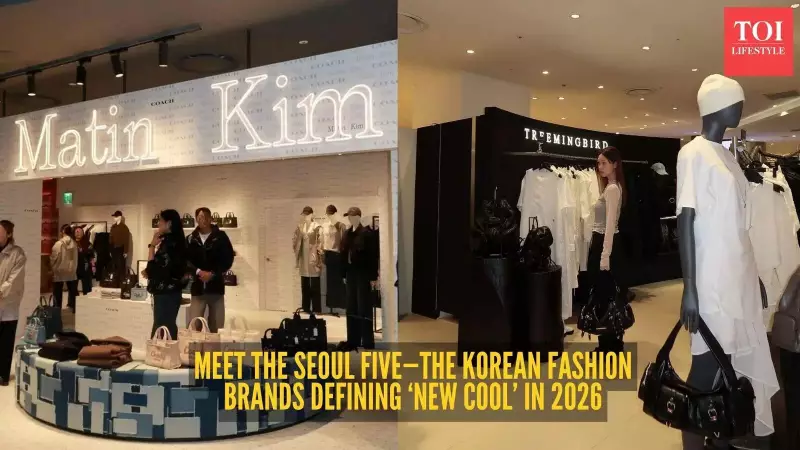
If one brand acts as the definitive gatekeeper of "cool" in 2026, it is Matin Kim. Originally an insider secret from Seoul's Seongsu-dong district, the brand's global explosion was catalyzed by a strategic collaboration with Coach in late 2024. Its signature design element—a metal plate screwed onto leather wallets and bags—has effectively replaced the loud, logo-heavy luxury of the past decade. This minimal yet heavy hardware suggests industrial durability, resonating with a generation seeking substance over delicacy. Frequently spotted on celebrities like AESPA's NingNing, Matin Kim has become the uniform for the creative professional who wants to appear sharp but not overly eager.

Thug Club & Rest and Recreation: Day and Night
While Matin Kim covers polished daytime looks, Thug Club owns the gritty, rebellious aesthetic. This is subversive streetwear that challenges norms. The brand's trajectory changed dramatically in October 2025 with its Fall/Winter collection collaboration with Adidas Originals. Its moto-inspired leather jackets and "bio-soldier" hoodies transitioned from being worn by underground rappers to becoming global commodities. Wearing Thug Club in 2026 is a deliberate choice to project a dangerous, unpolished edge.
In contrast, Rest and Recreation (R&R) has mastered the art of "one-mile wear"—clothes perfect for the area around your home but stylish enough for the camera. The ubiquitous "RR" logo patch functions like the Polo horse did for a previous generation, but for the perpetually online crowd. It sells the fantasy of the "off-duty idol," where a simple logo beanie and sweatpants are deemed a complete, naturally stylish look. Their ongoing pop-up success at Hyundai Seoul underscores that comfort remains the ultimate luxury.
Stand Oil and Treemingbird: Accessories and Avant-Garde
In the accessory space, Stand Oil has achieved a remarkable feat: making vegan leather a status flex. The brand defined the "daily bag" trend of late 2025 and continues to dominate with its architectural yet soft shapes. Its iconic "Chubby Bag," popularized by LE SSERAFIM's Yunjin, signals not wealth, but deep cultural literacy and an awareness of trends from TikTok to Seoul's Hannam-dong.
For those seeking to reject the "safe" options, Treemingbird offers an avant-garde alternative. It champions an "ugly-chic" or "distressed-luxury" aesthetic. Key items like the "scratch-damage" sweatpant are intentionally designed to look ruined, creating oversized, structural silhouettes. An endorsement from Blackpink's Jennie didn't just sell out products; it validated the brand's philosophy of clothes having manufactured texture and history, favoring pure stylistic expression.

The New Rules of Fashion Consumption
The rise of these five brands—Matin Kim, Thug Club, Rest and Recreation, Stand Oil, and Treemingbird—signals a fundamental shift in consumption patterns. Indian fashion enthusiasts are not just buying into a genre called "Korean fashion." They are purchasing specific, well-defined narratives: the industrialist, the rebel, the off-duty star, the savvy curator, and the avant-garde artist. In the fashion landscape of 2026, the pressing question has evolved from "Who are you wearing?" to a more identity-driven "Which character are you playing today?"