The Sacred Confluence: Why India's Temples Grace Riverbanks
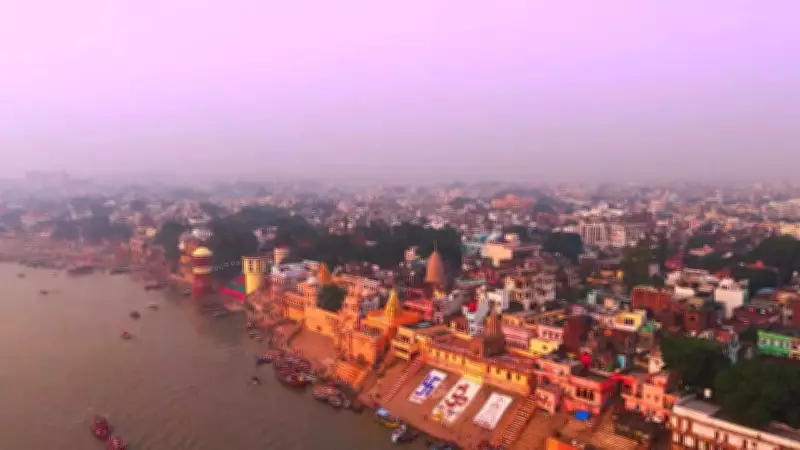
Across the vast and diverse landscape of India, from the iconic ghats of Varanasi on the Ganga to the serene shores of the Kaveri in Tamil Nadu, a remarkable architectural and spiritual pattern emerges. The nation's ancient temples are predominantly nestled along the banks of sacred rivers, creating a profound blend of divine reverence and natural harmony. This tradition is not merely coincidental but is deeply rooted in Vedic wisdom, practical necessities, and a symbolic worldview that sees rivers as life-givers and spiritual conduits.
Rivers as Divine Mothers and Purifiers
In Hinduism, sacred rivers such as the Ganga, Yamuna, and Narmada are venerated as goddesses, embodying purity, divine nurturing, and potent feminine energy. This spiritual elevation stems from the belief that these waters possess the power to cleanse sins (paap) and heal the soul. Consequently, temples were strategically built near these aquatic abodes to facilitate holy baths (snana) and essential rituals. Pilgrimage sites like Trimbakeshwar on the Godavari River are sought for moksha (liberation), while the daily Ganga Aarti at Varanasi's Dashashwamedh Ghat exemplifies how fire rituals invoke the river's blessings for spiritual renewal and community connection.
Vastu Shastra and Energetic Alignment
The ancient architectural science of Vastu Shastra provides a foundational principle for temple construction, emphasizing alignment with natural elements to harness positive energies. It dictates that temples should ideally face water bodies, particularly from the northeast direction, to optimize the flow of prana (life force). Rivers are believed to amplify these beneficial energies while simultaneously shielding structures from malefic forces. The movement of water symbolizes the eternal flow of time, aiding in meditation and enhancing the spiritual experience of darshan (sacred viewing). The Omkareshwar Temple, situated on an island in the Narmada River, stands as a prime example of this cosmic and energetic balance achieved through deliberate placement.

Practical Necessities and Economic Foundations
Beyond spirituality, ancient builders made pragmatic choices. Proximity to rivers ensured a reliable water supply during the extensive construction phases of these grand structures and for sustaining the large populations during major festivals like the Kumbh Mela. The fertile alluvial soil of riverbanks supported agriculture, which in turn sustained temple economies and facilitated trade. Historic cities like Haridwar flourished along the Ganga due to this economic synergy. Furthermore, these floodplains often provided stable ground for the massive stone foundations required for architecture meant to endure for centuries.
Ritual Significance and Pilgrimage Hubs
Riverbanks serve as the designated stages for critical Hindu rituals that connect the living with the divine and ancestral spirits. Practices such as tarpana (offerings to ancestors) and pinda daan (rituals for the deceased) are intrinsically linked to flowing water. Sacred confluences, known as sangams—like the one in Prayagraj (Allahabad) where the Ganga, Yamuna, and mythical Saraswati meet—are believed to amplify spiritual potency. Temples located at these junctions, such as those in Varanasi (Kashi), draw millions of pilgrims for mass immersions, believed to grant immense punya (spiritual merit) and sustain a vibrant cycle of devotional energy.
Environmental Harmony and Symbolic Depth
This architectural tradition also reflects a deep-seated ethos of environmental reverence. Rivers foster rich biodiversity, mirroring the temple's role as a sanctuary for all life. Historically, sages and ascetics chose these serene riverbanks for meditation, leading to the establishment of ashrams and sacred towns like Rishikesh. Symbolically, water represents the dissolution of ego and materialism, preparing devotees for a transcendent experience. The synergy between flowing water and stone sanctums has ensured these temples remain dynamic spiritual hubs, patronized through history by figures like Emperor Akbar, who recognized their cultural and social importance.

Thus, the placement of India's temples along rivers is a multifaceted testament to a civilization that seamlessly integrated spiritual aspiration, practical wisdom, and ecological consciousness into its sacred architecture.