The Hindu lunar calendar marks a significant transition in 2026 as the community prepares to welcome Vikram Samvat 2083. According to traditional calculations, the Hindu New Year will commence on Sunday, March 29, 2026. This day is celebrated across various regions of India under different names, each carrying profound cultural and spiritual weight.
The Significance of Vikram Samvat 2083
Vikram Samvat is one of the most widely followed traditional calendars in the Indian subcontinent. The year 2083 in this epoch will begin with the first day of the Chaitra month, known as Chaitra Shukla Pratipada. This day is not merely a change of date but symbolizes the victory of righteousness and the cyclical nature of time in Hindu philosophy. The calendar itself is believed to have been initiated by the legendary King Vikramaditya to commemorate his triumph over the Shakas, making each new year a celebration of valor and justice.
The arrival of the new year is considered an extremely auspicious time for new ventures, spiritual practices, and family gatherings. It is a period for discarding the old and embracing new hopes, goals, and aspirations with divine blessings.

Regional Celebrations and Key Dates
While the underlying astronomical calculation is unified, the festival manifests in diverse regional traditions. In Maharashtra and Goa, the day is celebrated as Gudi Padwa, where homes are decorated with rangoli and a Gudi (a decorated flag) is hoisted. In Karnataka and Andhra Pradesh, it is observed as Ugadi, marked by the preparation of a special dish called Ugadi Pachadi that embodies the six flavors of life.
In other parts of North India, this day coincides with the beginning of the nine-day Navratri festival leading up to Ram Navami. The key astrological moment for the year's commencement is the Pratipada Tithi beginning. For Vikram Samvat 2083, the precise timings based on the prevailing Amanta and Purnimanta lunar month systems will be calculated closer to the date by religious authorities.
Rituals and Observances for the New Year
Devotees observe several rituals to ensure prosperity and well-being in the coming year. The common practices include:
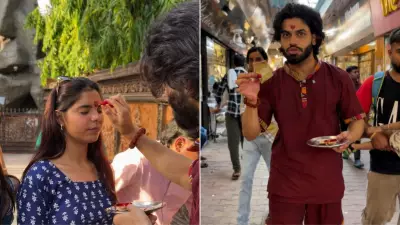
- Holy Bath and Prayers: Taking an early morning bath, often with oil and herbs, and offering prayers to the Sun God and family deities.
- Hoisting of Flags (Gudi/Dhwaja): Erecting a symbolic flagpost, which represents the banner of victory and invites positive energy.
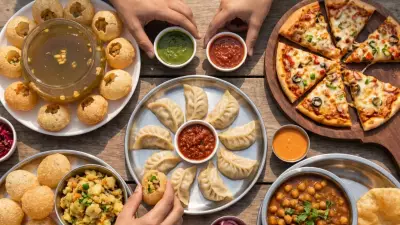
- Feasting and Special Foods: Preparing and sharing traditional delicacies that signify the mixture of life's experiences.
- Panchang Sravan: Listening to the annual forecast as read from the Panchang (Hindu almanac) to understand the astrological influences of the new year.
- Charity and Donations: Performing acts of charity, known as Dan-Punya, to start the year on a note of generosity and compassion.
These rituals are deeply embedded in the cultural fabric and are performed with the belief that they set a positive tone for the next twelve months.
A Time for Renewal and Cultural Pride
The celebration of the Hindu New Year 2026, or Vikram Samvat 2083, goes beyond religious observance. It serves as a powerful reminder of India's rich astronomical heritage and its ancient systems of timekeeping that are still in active use today. The day reinforces family bonds, cultural identity, and a collective spirit of optimism.
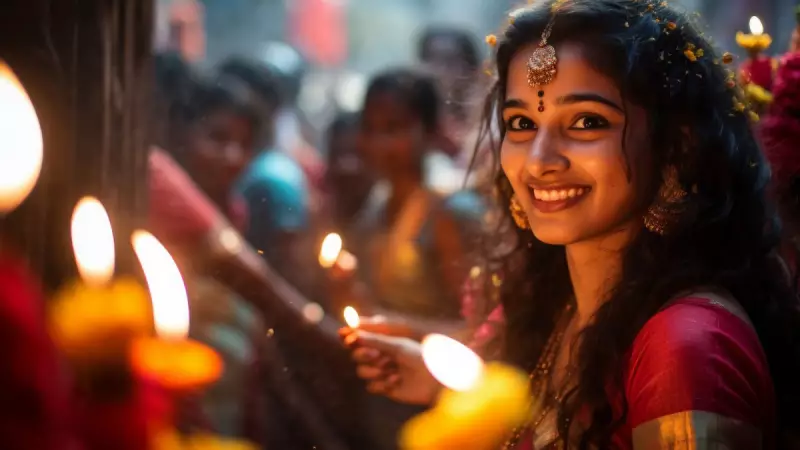
As March 29, 2026, approaches, millions will engage in thorough cleaning and decoration of their homes, signifying the removal of negativity and the welcoming of Lakshmi, the goddess of wealth and prosperity. It is a moment where tradition and modernity converge, allowing individuals to reflect on the past year and set mindful intentions for the year ahead, guided by the wisdom of an ancient yet ever-relevant calendar.