The Hidden Impact of Shoes on Your Home's Vastu Energy
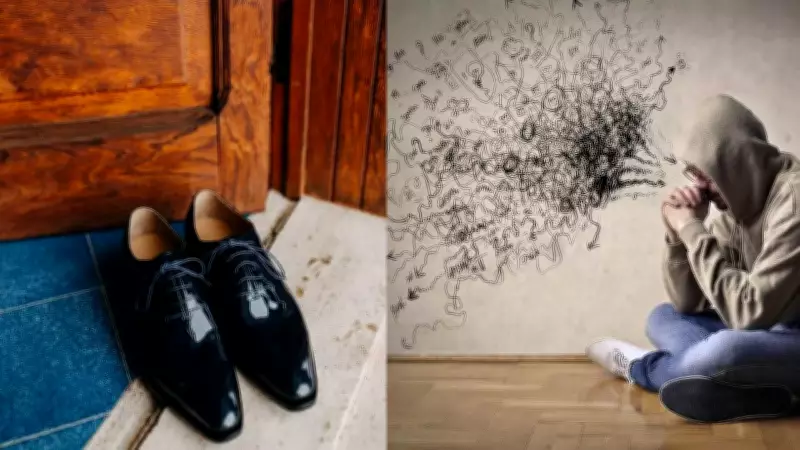
As we journey through the world, our shoes travel with us, accumulating more than just physical dirt. They become carriers of external energies—both positive and negative—that most people remain completely unaware of. These unseen forces can significantly impact the Vastu of your home, disrupting the delicate balance that governs peace, prosperity, and well-being.
The Traditional Mandate: Shoes Outside the Home
In countless Indian households, a strict rule exists: shoes must be kept outside. This practice isn't merely about cleanliness but stems from deep spiritual and energetic considerations. While many follow this tradition without questioning, understanding the profound reasons behind it can transform how you approach your living space.
Why Shoes Must Remain Outside According to Vastu Principles
Shoes act as magnets for various energies encountered throughout the day. Walking directly into your home while wearing them doesn't just track in dirt and grime—it opens a pathway for external negative energies to infiltrate your sacred domestic space. Vastu Shastra, the ancient Indian science of architecture and energy flow, provides clear guidance on this matter.

According to Vastu scriptures, bringing shoes inside introduces three harmful elements:
- Physical dirt and impurities from streets and public spaces
- Negative energies known as "sha chi" that disrupt harmony
- External vibrations that contaminate the home's sacred prana flow
By keeping shoes outside, you preserve the purity of your domestic energy, maintaining harmony, prosperity, and health within your household.
Specific Consequences of Bringing Shoes Indoors
Blocks Positive Energy Circulation
Vastu Shastra and Hindu cultural traditions teach that shoes attract chaotic external vibrations. When brought inside, they can clog the main entrance much like obstacles block a flowing stream. This obstruction prevents Lakshmi—the goddess of wealth and opportunities—from circulating freely throughout your home, potentially limiting financial abundance and positive developments.
Pollutes Sacred Zones Within the Home
Kitchens represent particularly sacred spaces in Vastu-compliant homes, dedicated to Goddess Annapurna, the deity of food and nourishment. Introducing shoes into or near these areas damages the home's aura and shows disrespect to the deities. This violation is believed to invite multiple problems including financial losses, health issues, and family discord that could otherwise be avoided.
Fuels Domestic Conflicts and Stress
Scattered shoes create visual clutter that generates Saturn's heavy vibrations within your living environment. These energies amplify arguments, increase stress levels, and promote emotional stagnation among residents. The disorder created by indoor shoes manifests as tension in relationships and personal well-being.
Invites Poverty and Illness
Placing shoes in the northeast zone—considered particularly sacred in Vastu—defiles deity zones and actively blocks fortune. The negativity spreads throughout the home, impacting sleep quality, reducing vitality, and trapping progress in various aspects of life. This contamination creates an environment where poverty and illness find easier entry.
Proper Practices for Shoe Management According to Vastu
To maintain optimal energy flow in your home, follow these Vastu-recommended practices:
- Always remove shoes at the threshold before entering your living space
- Store shoes in closed racks or cupboards located in the south or west directions
- Regularly discard damaged or worn-out pairs that may harbor stagnant energy
- Clean the shoe storage area frequently to prevent energy accumulation
- Consider having separate indoor footwear that never leaves the house
By implementing these simple yet powerful practices, you create a protective barrier against external negativity while enhancing the positive energy flow throughout your home. This attention to Vastu principles regarding shoes contributes significantly to overall household harmony, financial stability, and family well-being.