Vaishakh 2026: Unveiling the Sacred Essence of Madhav Maas
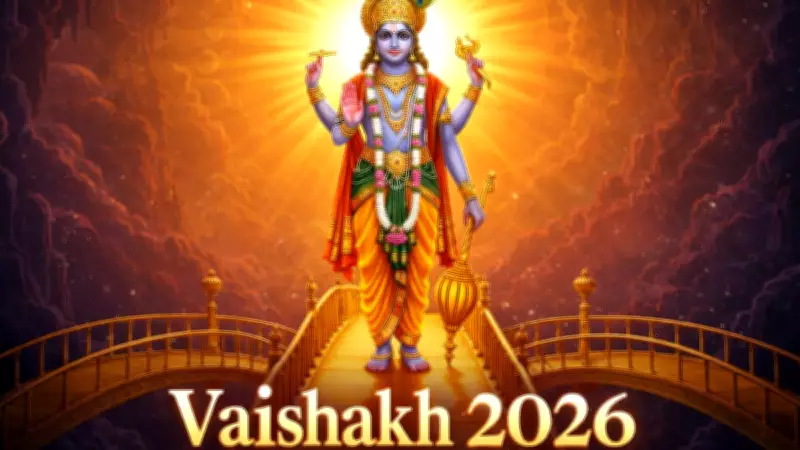
In the Hindu lunar calendar, the month of Vaishakh holds profound spiritual significance, and in 2026, it will be observed as Madhav Maas, a period dedicated to Lord Vishnu. This auspicious time is revered for its purifying and devotional practices, offering devotees an opportunity to deepen their spiritual connection and seek divine blessings.
What is Madhav Maas?
Madhav Maas is an intercalary month that occurs approximately every three years in the Hindu calendar, aligning the lunar and solar cycles. In 2026, it will fall during Vaishakh, typically spanning from mid-April to mid-May. This month is named after Lord Vishnu, who is also known as Madhav, and is considered highly sacred for performing rituals and acts of piety.
Significance of Madhav Maas in Vaishakh 2026
The significance of Madhav Maas lies in its association with purification and spiritual renewal. During this month, devotees believe that performing religious activities yields greater merit, as it is a time when the divine energy is particularly accessible. Key aspects include:

- Devotion to Lord Vishnu: Madhav Maas is primarily dedicated to worshipping Lord Vishnu, with rituals like chanting mantras, reading scriptures such as the Bhagavad Gita, and offering prayers at temples.
- Charity and Good Deeds: It is considered auspicious to engage in acts of charity, such as donating food, clothes, or money to the needy, as this is believed to bring spiritual rewards and cleanse past sins.
- Fasting and Austerity: Many devotees observe fasts, particularly on Ekadashi days, which are dedicated to Lord Vishnu. These fasts involve abstaining from grains and certain foods, focusing instead on meditation and prayer.
Rituals and Practices During Madhav Maas
The rituals of Madhav Maas are designed to foster discipline, devotion, and inner peace. Common practices include:
- Daily Puja and Mantra Chanting: Devotees perform daily worship at home or in temples, reciting Vishnu Sahasranama or other sacred hymns to invoke blessings.
- Holy Baths in Sacred Rivers: Taking a dip in rivers like the Ganges is believed to purify the soul and wash away impurities, especially during this month.
- Observing Vrats (Fasts): Fasting on specific days, such as Ekadashi, is a key ritual. It involves consuming simple, sattvic foods and avoiding non-vegetarian items and alcohol.
- Reading Religious Texts: Studying scriptures like the Vishnu Purana or Ramayana is encouraged to gain spiritual insights and strengthen faith.
Impact on Lifestyle and Spirituality
Madhav Maas in Vaishakh 2026 offers a chance for individuals to integrate spirituality into their daily lives. By participating in these rituals, people can experience a sense of calm, purpose, and connection to the divine. It also promotes community bonding through collective prayers and charitable activities, fostering a spirit of unity and compassion.
In summary, Madhav Maas during Vaishakh 2026 is a pivotal time for Hindus to engage in devout practices, seek purification, and honor Lord Vishnu. By embracing its rituals, devotees can embark on a journey of spiritual growth and renewal, making the most of this sacred period.