US Museum to Repatriate Three Ancient Bronze Sculptures to India, Stolen from Tamil Nadu Temples
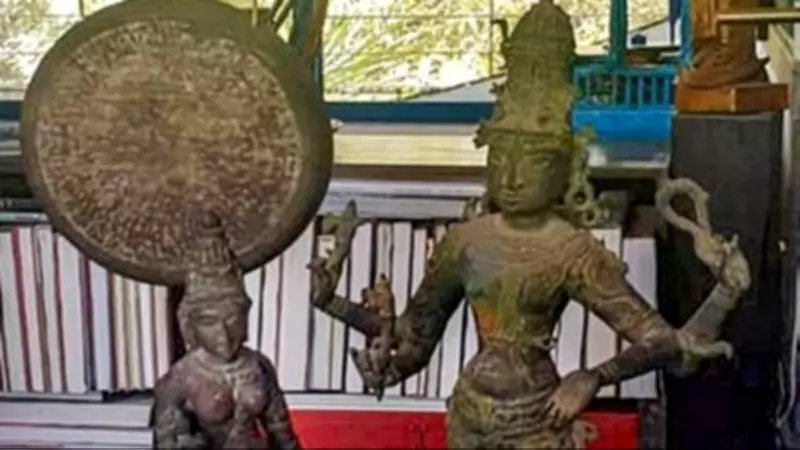
In a landmark decision for cultural heritage preservation, a prominent museum in the United States has announced its commitment to return three ancient bronze sculptures to India. These invaluable artifacts were illegally taken from historic temples located in the southern state of Tamil Nadu, sparking international efforts for their restitution.
Details of the Repatriation Agreement
The museum, which has not been named in initial reports, has formally agreed to repatriate the sculptures following extensive investigations and diplomatic negotiations. The bronzes, dating back several centuries, are believed to have been looted from temples in Tamil Nadu, a region renowned for its rich cultural and religious heritage. This move underscores a growing global trend towards addressing historical injustices in the art world.
The repatriation process is expected to be completed in the coming months, with Indian authorities working closely with international bodies to ensure the safe return of these artifacts. The sculptures are considered masterpieces of Indian art, reflecting the exquisite craftsmanship and spiritual significance of the Chola dynasty era, which flourished in Tamil Nadu from the 9th to the 13th centuries.

Significance for India's Cultural Heritage
This repatriation is a significant victory for India's efforts to reclaim its stolen cultural treasures. Over the years, numerous artifacts have been illicitly removed from the country, often ending up in private collections or museums abroad. The return of these bronze sculptures not only restores a piece of India's history but also sets a precedent for future restitution cases.
The Indian government has been actively pursuing the recovery of stolen artifacts through diplomatic channels and legal frameworks, such as the UNESCO 1970 Convention on the Means of Prohibiting and Preventing the Illicit Import, Export and Transfer of Ownership of Cultural Property. This agreement highlights the importance of international cooperation in protecting cultural heritage.
Impact on Tamil Nadu and Global Art Communities
The return of these sculptures is particularly meaningful for Tamil Nadu, where they originated. Temples in the state, such as those in Thanjavur and Madurai, are iconic sites of worship and art, and the loss of such artifacts has been a source of cultural erosion. Their repatriation is expected to boost local pride and tourism, while also educating future generations about India's artistic legacy.
Globally, this case adds to a growing movement among museums to reassess their collections and return items acquired through questionable means. It reflects a shift towards ethical practices in the art world, emphasizing transparency and respect for source countries' cultural rights.
- The three bronze sculptures are ancient artifacts with deep religious and artistic value.
- They were illegally taken from temples in Tamil Nadu, a state with a rich cultural history.
- The US museum's decision to return them follows investigations and diplomatic efforts.
- This repatriation supports India's broader campaign to recover stolen cultural heritage.
- It sets a positive example for international restitution and ethical museum practices.
In conclusion, the repatriation of these bronze sculptures marks a pivotal moment in the ongoing struggle to preserve and reclaim cultural heritage. As India welcomes back these treasures, it reinforces the global commitment to justice and respect for historical artifacts, ensuring they are preserved for generations to come.