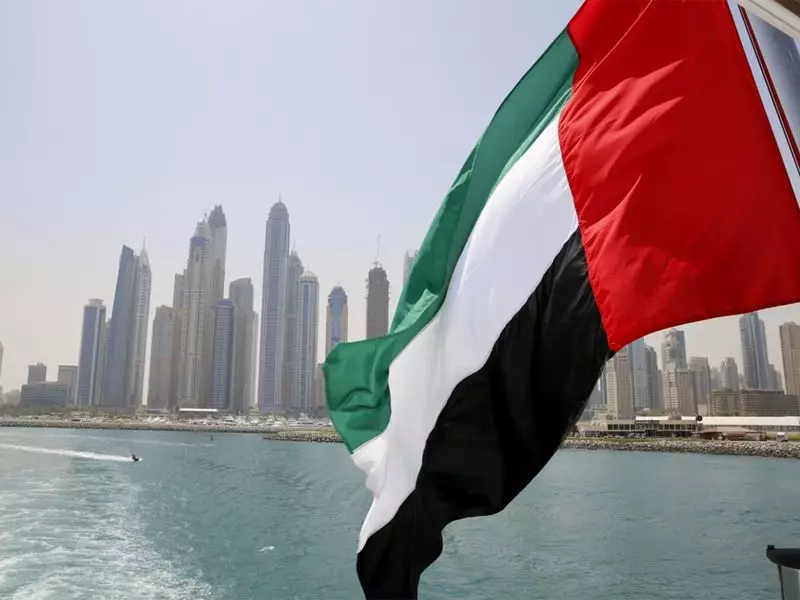
The United Arab Emirates has marked a historic year for its cultural heritage, achieving unprecedented recognition on the global stage. Driven by a series of ambitious national knowledge initiatives, the nation has successfully inscribed a remarkable 15 elements onto UNESCO's Representative List of the Intangible Cultural Heritage of Humanity in 2024. This accomplishment represents a significant leap in the UAE's strategy to preserve its rich traditions while building a future-oriented knowledge-based economy.
National Strategy Fuels Cultural Recognition
This landmark achievement is not accidental but the direct result of a coordinated national effort. Spearheaded by the Ministry of Culture and Youth, the UAE has implemented a comprehensive strategy focused on research, documentation, and community engagement. The National Registry for Intangible Cultural Heritage has been instrumental in this process, serving as a centralized digital repository for safeguarding living traditions.
Officials emphasize that this success stems from a deep understanding of UNESCO's rigorous criteria. Meticulous fieldwork, academic collaboration, and direct involvement with tradition-bearers ensured that each nomination dossier met the highest standards. The initiatives align with the broader "We the UAE 2031" vision, which positions cultural development as a core pillar of national identity and economic diversification.

Key Heritage Elements Honored by UNESCO
The 15 newly inscribed elements showcase the diversity and depth of Emirati culture. Among the most notable inclusions is Al Rams pearling, a centuries-old practice that was the economic lifeblood of the region long before the discovery of oil. This tradition encompasses the entire pearling journey, from boat building and navigation to the unique songs and rituals that guided divers.
Other recognized elements include:
- Al Talli: The intricate traditional embroidery craft practiced by Emirati women.
- Al Razfa: A vibrant performing art combining poetry, dance, and drumming.
- Al Aflaj: The ancient and sustainable traditional irrigation system.
- Al Khanjar: The craftsmanship and social significance of the traditional dagger.
Each inscription validates the living practices of Emirati communities and ensures their transmission to younger generations. The UNESCO listing provides international legitimacy and visibility, encouraging both local pride and global cultural exchange.
Impact on Soft Power and the Knowledge Economy
The ramifications of this cultural milestone extend far beyond preservation. For the UAE, it represents a powerful tool of soft power diplomacy, enhancing its global image as a nation rooted in history yet innovating for the future. This cultural capital attracts tourism, fosters international partnerships, and creates new avenues for creative industries.
Furthermore, it directly feeds into the nation's transition towards a knowledge-based economy. The process of research, digital archiving, and academic study required for UNESCO nominations builds local expertise in anthropology, history, and digital humanities. It creates jobs in cultural management, curation, and education, turning heritage into a sustainable economic asset.
By investing in its intangible cultural heritage, the UAE is effectively building a unique brand identity. This distinguishes it on the world stage, showing that its development model values human creativity and social tradition as much as technological and architectural marvels. The success of 2024 sets a new benchmark and is likely to accelerate further cultural documentation and nomination efforts in the coming years.