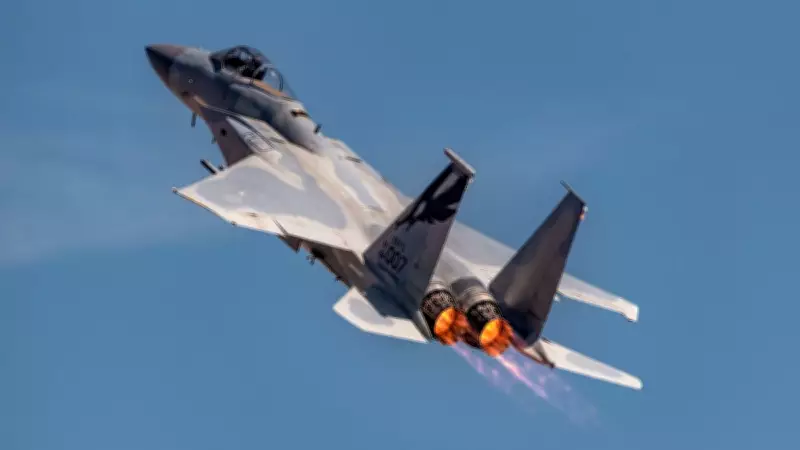
Iranian Forces Reportedly Down US F-15 Fighter Jet in Latest Military Confrontation
In a significant escalation of military tensions in the Middle East, the Iranian army's air defense system has reportedly shot down another American F-15 fighter aircraft, according to recent news reports. This incident marks the latest in a series of confrontations between the United States and Iran, raising serious concerns about the potential for broader regional conflict and instability.
Details of the Incident and Military Response
The downing of the US F-15 occurred as part of what Iranian authorities describe as a defensive action against perceived aerial threats. While specific operational details remain classified, initial reports suggest that the aircraft was engaged by advanced Iranian air defense systems, which have been bolstered in recent years through domestic development and foreign acquisitions. The United States military has not yet issued an official statement confirming the loss of the aircraft or detailing any casualties, but such incidents typically prompt immediate investigations and potential retaliatory measures.
This event follows previous similar occurrences, where Iranian forces have targeted US military assets in the region, reflecting the ongoing geopolitical friction between the two nations. Analysts note that these confrontations often stem from longstanding disputes over nuclear programs, regional influence, and support for proxy groups in areas like Syria and Iraq.

Implications for US-Iran Relations and Regional Security
The shooting down of the F-15 fighter jet is likely to exacerbate already strained diplomatic relations between Washington and Tehran. It underscores the volatile nature of military engagements in the region, where miscalculations could quickly spiral into larger conflicts. Key implications include:
- Increased military posturing: Both sides may ramp up their defensive and offensive capabilities, leading to a heightened arms race in the Middle East.
- Impact on nuclear negotiations: Such incidents could derail ongoing or future talks aimed at addressing Iran's nuclear activities and easing sanctions.
- Regional ally dynamics: Neighboring countries and allies, such as Israel and Saudi Arabia, might adjust their security strategies in response to the escalating tensions.
Furthermore, this incident highlights the effectiveness of Iran's air defense systems, which have been a point of pride for the Iranian military. Reports indicate that these systems include domestically produced missiles and radar technologies, capable of targeting high-altitude aircraft like the F-15, a mainstay of the US Air Force known for its air superiority capabilities.
Historical Context and Future Outlook
This is not the first time Iranian forces have engaged US aircraft; past incidents have included the downing of drones and other military planes, often leading to diplomatic fallout and increased sanctions. The recurring nature of these events suggests a pattern of brinkmanship, where both nations test each other's limits without triggering full-scale war.
Looking ahead, experts warn that without de-escalation efforts, such confrontations could become more frequent and severe. Potential outcomes might involve:
- Enhanced surveillance and reconnaissance missions by the US to monitor Iranian activities.
- Retaliatory strikes or cyber operations targeting Iranian infrastructure.
- Increased international mediation attempts by organizations like the United Nations to prevent further hostilities.
In conclusion, the downing of another US F-15 by Iran's air defense system represents a critical juncture in US-Iran relations, with far-reaching consequences for regional peace and global security. As both sides assess their next moves, the world watches closely, hoping for restraint and dialogue to prevail over military escalation.