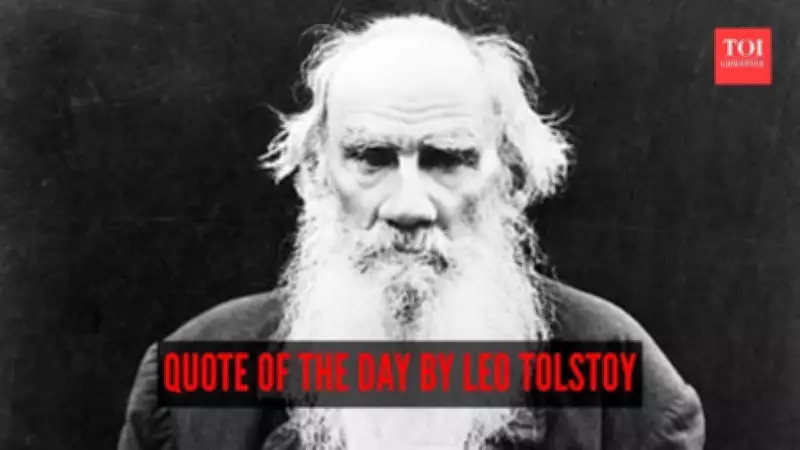
Leo Tolstoy: A Literary Giant and Philosophical Visionary
Born in Russia in 1828, Leo Tolstoy is widely regarded as one of the most celebrated novelists and philosophers in global literary history. His acclaimed masterpieces, including the epic novels "War and Peace" and "Anna Karenina," are renowned for their deep psychological insights and exploration of complex moral dilemmas. Beyond his literary prowess, Tolstoy was a profound philosopher whose writings spanned diverse themes such as spiritualism, ethics, and social justice.
Tolstoy's Later Life and Philosophical Evolution
In his later years, Tolstoy underwent a dramatic transformation in his philosophical outlook, embracing principles of simplicity, non-violence, and morality-based living. This shift reflected his commitment to authenticity and inner truth, which became central to his teachings and legacy.
Decoding Tolstoy's Famous Quote on Life Change
The quote, “The changes in our life must come from the impossibility to live otherwise than according to the demands of our conscience, not from our mental resolution to try a new form of life,” is widely attributed to Leo Tolstoy and encapsulates his deeply held belief in moral authenticity. This statement offers a powerful lens through which to understand genuine personal transformation.

The Essence of Inner-Driven Change
At its core, this quote highlights a stark contrast between external choices and internal imperatives. According to Tolstoy, lasting and meaningful changes in life do not arise from casual decisions or fleeting attempts at novelty. Instead, they occur when an individual reaches a point where continuing in the same manner becomes morally untenable. The concept of “impossibility of living otherwise” signifies a profound awakening, where one's conscience dictates a new path, making change not just an option but a necessity.
Rejecting Superficial Mental Resolutions
Tolstoy explicitly dismisses the notion of change based solely on “mental resolutions,” which in modern terms might equate to goal-setting, trend-following, or superficial planning. He argues that such resolutions are inherently fleeting and lack depth unless rooted in a solid moral foundation. Without this ethical underpinning, efforts to transform are likely to falter, as they lack the driving force of genuine conviction.
The Role of Conscience in Authentic Living
The phrase “the demands of our conscience” underscores the importance of aligning actions with one's inner moral compass. Conscience, in Tolstoy's view, is not merely an emotion but a guiding principle for living rightly and justly. When individuals act in accordance with their conscience, life gains purpose and meaning, often requiring courage to defy societal norms or personal desires. This alignment fosters a sense of integrity and fulfillment that superficial changes cannot achieve.
The Enduring Relevance of Tolstoy's Teachings
Leo Tolstoy's quotes continue to resonate because they reflect universal truths about human nature. His emphasis on inner-driven change reminds us that real transformation begins from within, guided by moral authenticity. In today's fast-paced world, where changes are often made for convenience or external validation, Tolstoy's wisdom encourages us to listen to our conscience and evaluate whether we are leading honest, purposeful lives. This introspection can lead to more meaningful and sustained personal growth.
Lessons for Modern Life
- Prioritize Moral Authenticity: Focus on changes that align with your core values and conscience, rather than external pressures.
- Embrace Inner Reflection: Regularly assess your life choices to ensure they stem from genuine moral imperatives, not fleeting resolutions.
- Cultivate Courage: Be willing to challenge societal expectations and personal comforts in pursuit of a truthful existence.
Overall, Tolstoy's message is clear: genuine transformation is not about boredom or novelty but about heeding an inner voice that demands moral integrity. By embracing this philosophy, individuals can navigate life with greater purpose and authenticity, honoring the timeless legacy of one of history's greatest thinkers.