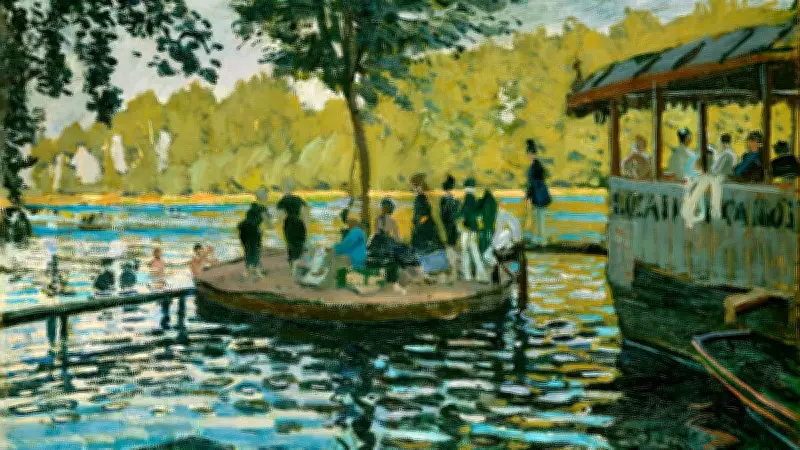
The Mentor Who Transformed Monet: The Untold Story of Eugène Boudin
In the annals of art history, Claude Monet stands as a titan of Impressionism, celebrated for his luminous landscapes and revolutionary techniques. Yet, behind his iconic works lies a pivotal, often overlooked figure: Eugène Boudin. This article delves into how Boudin, a modest painter from Normandy, became the mentor who fundamentally changed Monet's artistic trajectory, setting the stage for one of the most influential movements in modern art.
Early Encounters and Artistic Awakening
Claude Monet, born in 1840 in Paris, initially pursued caricature as a young artist in Le Havre. It was here, in the 1850s, that he first crossed paths with Eugène Boudin, a local painter known for his seascapes and beach scenes. Boudin, though not widely famous today, was a pioneer of en plein air painting—the practice of creating art outdoors to capture natural light and atmosphere. Recognizing Monet's raw talent, Boudin took the teenager under his wing, encouraging him to abandon caricature and embrace landscape painting.
This mentorship was not merely technical; it was philosophical. Boudin instilled in Monet a deep appreciation for the transient effects of light and weather, urging him to paint directly from nature. As Monet later recalled, "It was as if a veil had been torn away. I had understood what painting could be." This epiphany, sparked by Boudin's guidance, marked the beginning of Monet's lifelong dedication to capturing the fleeting moments of the natural world.

Shaping the Impressionist Vision
Boudin's influence extended beyond initial inspiration. He introduced Monet to key artistic principles that would become hallmarks of Impressionism:
- Outdoor Painting: Boudin emphasized the importance of working en plein air, a practice that allowed Monet to observe and render light in its purest form, free from studio constraints.
- Color and Light: He taught Monet to use vibrant, broken colors and loose brushstrokes to convey atmospheric conditions, a technique that Monet later perfected in masterpieces like "Impression, Sunrise."
- Subject Matter: Boudin's focus on everyday scenes—such as beaches, harbors, and skies—inspired Monet to find beauty in ordinary settings, moving away from traditional historical or religious themes.
Through their collaborative sessions along the Normandy coast, Boudin not only honed Monet's skills but also fostered a rebellious spirit against academic art norms. This mentorship laid the groundwork for Monet's later collaborations with artists like Pierre-Auguste Renoir and Camille Pissarro, culminating in the first Impressionist exhibition in 1874.
Legacy and Lasting Impact
Despite Boudin's relative obscurity compared to his protégé, his legacy is indelible. Monet himself acknowledged Boudin's role, stating, "If I have become a painter, it is entirely due to Eugène Boudin." Boudin's teachings empowered Monet to challenge conventions, leading to the birth of Impressionism—a movement that redefined art by prioritizing perception over precision.
Today, Boudin is recognized as a precursor to Impressionism, with his works displayed in museums worldwide. His story serves as a reminder that great art often emerges from humble mentorships, where guidance and encouragement can ignite transformative creativity. As we admire Monet's water lilies and haystacks, we must remember the mentor who first opened his eyes to the beauty of light and color.
In conclusion, Eugène Boudin's mentorship was a catalyst for Claude Monet's artistic evolution, proving that behind every genius, there is often a guiding hand. This untold chapter in art history highlights the power of mentorship in shaping cultural revolutions, inspiring future generations to value collaboration and innovation in the creative process.