A Unique Baisakhi Celebration in Tehran Amidst Regional Unrest
In a remarkable display of resilience and faith, a Sikh gurdwara in Tehran recently hosted a Baisakhi celebration unlike any other, observing the traditional harvest festival against the backdrop of regional conflicts and heightened security tensions. This event highlighted the enduring spirit of the Sikh community in Iran, bringing together worshippers for prayers, hymns, and communal meals, even as geopolitical challenges loom large in the area.
Festival Observance in a Tense Environment
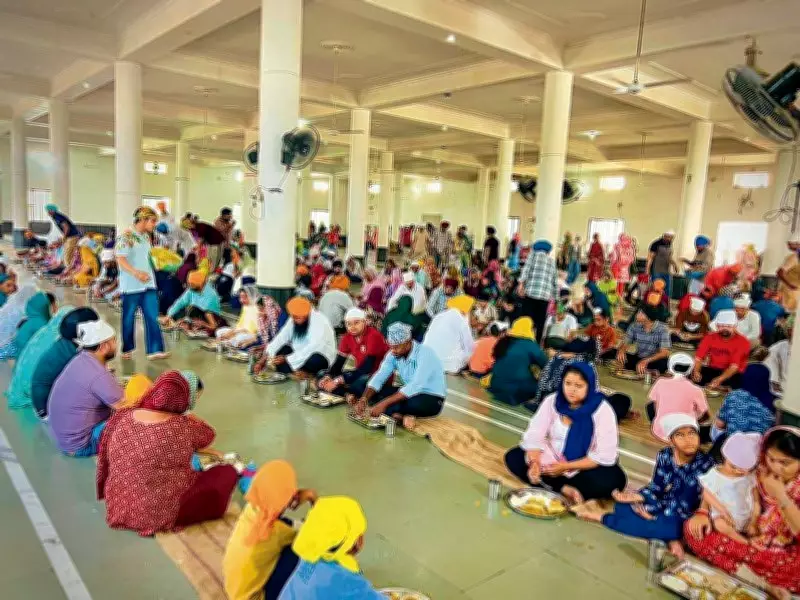
The Baisakhi festival, which marks the Sikh New Year and the spring harvest, was commemorated with special prayers and kirtan sessions at the gurdwara. Despite the ongoing war-related tensions in the region, the community gathered to honor their cultural and religious traditions, emphasizing peace and unity. The celebration included the preparation of langar, a free community kitchen that serves meals to all attendees, symbolizing equality and service.
Security measures were notably heightened during the event, with local authorities providing additional protection to ensure the safety of participants. This precautionary step reflects the complex geopolitical landscape of Iran, where international conflicts have occasionally impacted minority communities. However, the Sikh devotees remained undeterred, focusing on the spiritual significance of Baisakhi, which also commemorates the formation of the Khalsa Panth by Guru Gobind Singh in 1699.

Community Resilience and Cultural Preservation
The Tehran gurdwara, serving as a hub for the small but vibrant Sikh diaspora in Iran, played a crucial role in organizing this celebration. Community leaders emphasized the importance of maintaining cultural practices despite external pressures. "Baisakhi is a time for renewal and gratitude, and we wanted to uphold these values even in challenging times," said a local organizer, who noted that attendance was strong despite the circumstances.
This event underscores the broader theme of diaspora communities adapting to host countries while preserving their heritage. In Iran, Sikhs have historically contributed to local society through business and cultural exchanges, and this Baisakhi celebration served as a reminder of their ongoing presence and contributions. The festival included:
- Traditional prayers and hymns in Gurmukhi
- Distribution of prasad and langar to all attendees
- Discussions on Sikh history and teachings
- Community bonding activities for families and children
Geopolitical Context and Future Outlook
The celebration occurred amid ongoing regional conflicts, including tensions involving Iran and neighboring countries, which have raised security concerns for minority groups. However, the successful hosting of Baisakhi demonstrates the community's ability to navigate these challenges. Looking ahead, organizers hope to continue such observances, fostering interfaith dialogue and promoting peace in the region.
In conclusion, the Baisakhi festival at the Tehran gurdwara was a testament to the resilience of the Sikh community, blending religious devotion with cultural steadfastness in a complex geopolitical environment. It serves as an inspiring example of how diaspora groups can thrive and maintain their traditions, even in the face of adversity.