The Tea That Drank Up the Night
There is a certain magic in the act of brewing tea alone at night. The world outside falls silent, and the kitchen becomes a sanctuary of steam and warmth. The kettle hums, the leaves unfurl, and the liquid amber swirls in the cup. This is not merely a beverage; it is a ritual that drinks up the darkness and fills it with quiet contemplation.
In our hyper-connected lives, such moments are rare. The night tea ritual offers a deliberate pause, a chance to step away from screens and demands. It is a practice of mindfulness, where each sip grounds us in the present. The warmth spreads through the chest, the aroma lingers, and thoughts slow down. This simple act becomes a form of meditation.
The History of Night Tea
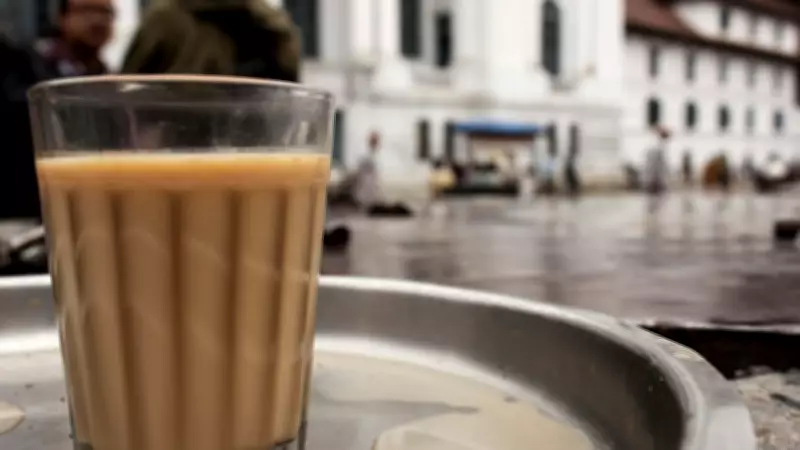
Cultures across the world have long cherished nighttime tea. In Japan, the evening tea ceremony emphasizes tranquility and respect. In Britain, a cup of Earl Grey before bed signals the end of the day. In India, chai vendors serve steaming cups to night-shift workers, creating a community of shared solace. Each tradition underscores tea's ability to transform solitude into connection.

The Science of Sip
Studies show that the ritual of preparing tea can reduce stress. The repetitive motions, the focus on temperature and time, engage the senses and quiet the mind. Certain herbal teas like chamomile or lavender promote sleep, while green tea provides a gentle alertness without the jitters of coffee. The night tea is a bridge between activity and rest.
Personal Reflections
I remember nights when the weight of the world felt unbearable. A cup of jasmine tea became a lifeline. The floral notes seemed to absorb my worries, leaving a clear space for insight. Over time, the ritual grew: a specific mug, a favorite blend, a corner of the sofa. This consistency built a sanctuary within my home. It taught me that solitude is not loneliness but a canvas for self-discovery.
The night tea also invites creativity. Many writers and artists have credited their best ideas to late-night cups. The quiet allows thoughts to surface without judgment. The steam becomes a muse, and the warmth fuels inspiration. It is no coincidence that some of the world's greatest works were born in the small hours, accompanied by the clink of a spoon against porcelain.
Yet, the tea that drinks up the night is also a metaphor. It represents our capacity to find light in darkness, to transform mundane moments into meaningful rituals. In a world that never stops, the night tea is a gentle rebellion—a declaration that we will carve out time for stillness.
So tonight, I invite you to brew a cup. Let the water boil, the leaves steep, and the night unfold. Sip slowly. Notice the warmth, the taste, the silence. Allow the tea to drink up the darkness and fill you with peace. In that moment, you are not alone; you are part of a timeless tradition that celebrates the beauty of being present.