Supreme Court Steps In to Mediate Centuries-Old Temple Ritual Dispute in Tamil Nadu
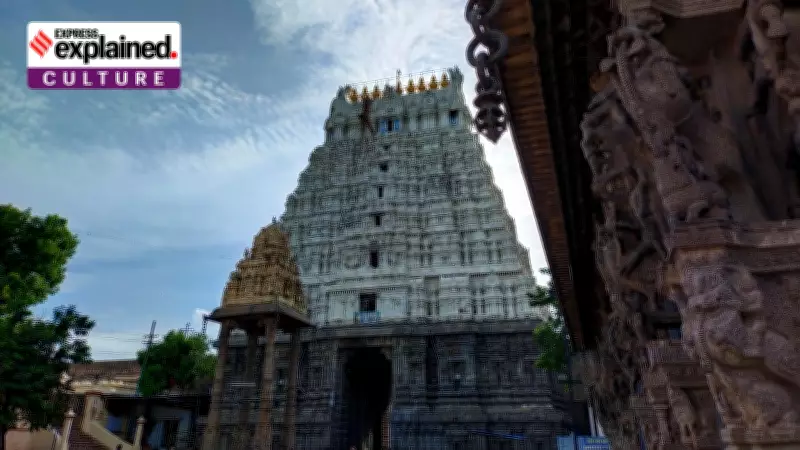
In a landmark move, the Supreme Court of India has intervened to address a religious conflict that has spanned over two centuries, centered on the Sri Devarajaswamy Temple in Kanchipuram, Tamil Nadu. This dispute involves two prominent Iyengar sects, the Thenkalai and Vadakalai, who, despite sharing the same philosopher and deity, have long feuded over the sequence of prayers during ceremonial worship. The court has appointed former Supreme Court judge Justice (retired) Sanjay Kishan Kaul as a mediator, aiming to foster an amicable settlement and ensure the smooth performance of daily rituals.
The Core of the Conflict: Ritual Sequence and Hereditary Rights
The heart of this sectarian dispute lies not in spiritual beliefs but in temporal matters—specifically, who leads the recitations, stands in the front rows, and whose voice resonates first in the temple halls. Known as Adhiapaka Mirasi, this hereditary office involves key duties such as leading the recitation of the Nalayira Divya Prabandham, chanting an invocation mantra, and concluding with a verse of praise. The Thenkalai sect asserts exclusive rights to this office, claiming that only their invocation, Sri Sailesa Dayapatram, and concluding Vazhi Thirunamam should be used. In contrast, the Vadakalai sect argues for the inclusion of their own mantras, including the Ramanuja Dayapatram and verses related to philosopher Vedanta Desika.
Historical Legal Battles and Court Precedents
This conflict has a rich history of litigation, with courts repeatedly addressing the issue over generations. Key rulings include:

- 1882: A Division Bench upheld the Thenkalai sect's exclusive rights to the Adhiapaka Mirasi, with Vadakalai members permitted only as ordinary worshippers.
- 1915: The court reiterated that only the Thenkalai invocation could be recited during puja and processions.
- 1939 and 1969: Further judgments affirmed that ritual leadership and front-row positions belonged to Thenkalai hereditary office-holders.
These decisions treated the matter as one of custom and office-based rights rather than theology, emphasizing the importance of maintaining ceremonial order.
Recent Developments and Constitutional Challenges
In November 2025, the Madras High Court acknowledged the fundamental right to freedom of religion under Article 25 but noted its limitations concerning public order and others' rights. The court ruled that established rituals, structured around specific offices, should prevail to avoid disruption. However, Vadakalai petitioners challenged this, arguing that pre-Constitution judgments violated Article 25 and that hereditary privileges were abolished under the Tamil Nadu Hindu Religious & Charitable Endowment Amendment Act, 1971. This led to multiple petitions, including requests for police protection and permission to chant specific hymns, culminating in the Supreme Court's intervention.
The Path Forward: Mediation and Hope for Resolution
The Supreme Court, recognizing both sides' willingness to settle, appointed Justice Kaul as principal mediator, supported by experts in Tamil, Sanskrit, and temple ritual history. This mediation aims to transcend legal doctrines and foster dialogue, addressing the deeply personal aspects of the dispute—where chanting first symbolizes recognition as custodians of tradition. After more than a century of decrees and appeals, this approach offers hope for the two communities to pray together without contesting precedence, preserving the temple's spiritual harmony while respecting historical customs.