The Sacred Ganga: A River of Purity and Spiritual Cleansing
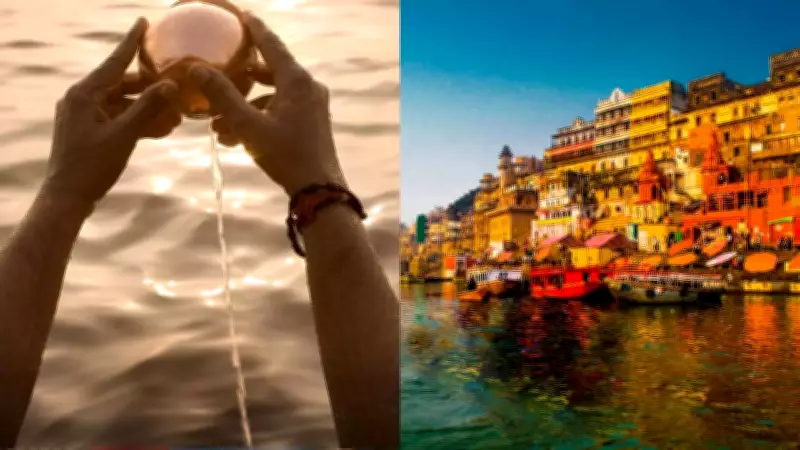
In Hinduism, the river Ganga holds an unparalleled position as a symbol of divine purity, spiritual cleansing, and ultimate liberation. For centuries, devout followers have believed that taking a dip in the holy waters of the Ganges can absolve sins and purify the soul, offering a pathway to spiritual enlightenment. However, within this profound reverence lies a specific and unique taboo that many may not be aware of: it is traditionally advised not to bring Ganga water, known as Gangajal, from the sacred city of Kashi, also called Varanasi.
Kashi: The City of Ultimate Liberation
Kashi, often referred to as Moksha Nagri, is celebrated as the city where souls achieve moksha—the final liberation from the endless cycle of birth and rebirth. This belief is encapsulated in the ancient Sanskrit phrase "काष्यां मरणं मुक्तिः" (Kashyām maraṇaṃ muktiḥ), which translates to "dying in Kashi grants liberation." The city's spiritual energy is concentrated at sites like the Manikarnika Ghat, one of the holiest cremation grounds in Hinduism.
At Manikarnika Ghat, the ashes of the deceased are immersed in the Ganga, and it is said that Lord Shiva, in his fierce Aghora form, whispers the Taraka Mantra to the dying, guiding their souls toward moksha. Consequently, the Ganga water in Kashi is imbued with the spiritual remnants and energies of countless souls on their sacred journey to liberation.

The Spiritual Reason Behind the Taboo
The primary reason for avoiding Gangajal from Kashi stems from the belief that taking this water away may inadvertently carry parts of the ashes or spiritual energies of departed souls. This act is viewed as disrupting their sacred passage toward moksha, potentially causing spiritual imbalance or difficulties for both the souls and the person carrying the water. In essence, removing Ganga water from Kashi is seen as interfering with the natural cosmic order of death and rebirth, a core tenet of Hindu philosophy.
Additionally, Kashi is considered an abode of intense Aghori energy, associated with Lord Shiva's more formidable aspects. Traditional rules surrounding this powerful energy dictate that Ganga water should not be taken out of Kashi for domestic or ritual use, as it might bring uncontrolled spiritual forces into the home.
Alternative Sources: Haridwar and Beyond
Instead of Kashi, devotees are encouraged to bring Ganga water from other sacred sites, with Haridwar being the most popular choice. The water from Haridwar is regarded as pure and auspicious for rituals, free from the concerns associated with Kashi's unique spiritual context. This practice ensures that religious ceremonies remain harmonious and aligned with traditional beliefs.
Mythological and Textual Foundations
This belief is deeply rooted in various Hindu mythological texts and Puranas, which elaborate on Kashi's sanctity and the Ganga's descent to Earth through King Bhagiratha's penance. These scriptures highlight the spiritual significance of cremation rituals performed in Kashi, where the continuous flow of water at ghats like Manikarnika mingles with sacred ashes and divine energy. The sensitivity around removing this water is thus a reflection of centuries-old spiritual teachings and cultural reverence for the Ganga's role in maintaining cosmic balance.
Conclusion: Respecting Spiritual Traditions
In summary, the taboo against bringing Ganga water from Kashi is intricately linked to the city's identity as a sanctuary of liberation. By honoring this tradition, devotees show respect for the souls seeking moksha and uphold the spiritual teachings embedded in Hindu mythology. This practice underscores the profound connection between the Ganges, the cycle of life and death, and the cultural values that have shaped Hindu worship for generations.