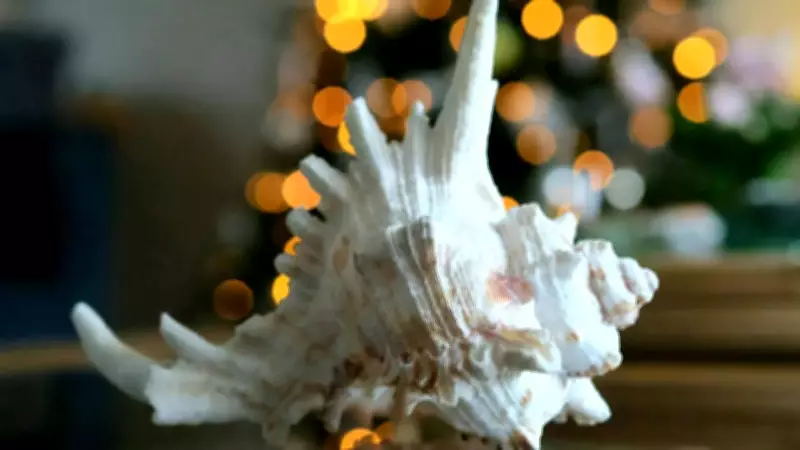
The conch shell, known as Shankh in Sanskrit, holds a position of immense sacredness within Vastu Shastra and Hindu spiritual traditions. Revered as the divine embodiment of the primordial sound "Om," the Shankh is believed to purify environments and invite prosperity into homes and lives. This ancient symbol carries deep cosmological significance, connecting the material world with spiritual energies.
Sacred Origins and Mythological Significance
According to Vedic astrology and ancient scriptures like the Vedas, the Shankh is intimately associated with Lord Vishnu and Goddess Lakshmi. It is described as Lord Vishnu's divine weapon, using sacred sound to vanquish evil during cosmic battles. The unique spiral form of the conch is thought to channelize positive cosmic energies, effectively warding off negativity while fostering wealth, health, and domestic harmony.
The vibrations produced by blowing a Shankh are said to mimic the primordial sounds of creation, cleansing both the physical air and spiritual aura. In Vastu Shastra, the holy Shankh symbolizes the five fundamental elements of the universe—earth, water, fire, air, and ether—and naturally balances these tatvas (principles) of life when properly utilized.

Types of Shankh and Their Distinct Purposes
Ancient scriptures identify several types of Shankh, each with specific characteristics and benefits:
Dakshinavarti Shankh
This right-handed conch, which spirals outward to the right, is considered particularly rare and powerful. It is widely regarded as a wealth magnet that brings prosperity, financial opportunities, and monetary gains when kept in homes.
Vamavarti Shankh
The left-handed conch, spiraling toward the left direction, is commonly used for daily rituals and puja ceremonies. It serves as a versatile spiritual tool for regular worship practices.
Moti Shankh
Also known as the pearl conch, this variety is believed to promote emotional stability and mental equilibrium, offering additional psychological benefits alongside spiritual ones.
Comprehensive Vastu Benefits of Keeping Shankh at Home
Vastu Shastra outlines numerous advantages of incorporating Shankh into domestic spaces, with specific recommendations for placement and usage.
Spiritual Purification and Mental Clarity
Blowing a Shankh during puja, rituals, or aarti generates purifying sound waves that dispel negativity, unholy energies, and doshas. This practice enhances meditation focus, brings mental clarity, and fosters inner peace. Regular conch blowing helps align all chakras and amplifies spiritual growth within the household.
Wealth Magnetism and Financial Stability
According to Hindu beliefs, keeping a Dakshinavarti Shankh in wealth corners promotes financial stability and business success. This sacred conch removes monetary blockages, boosts income streams, and reduces financial losses. When worshipped during Lakshmi puja, it attracts additional assets and abundance.
Health Enhancement and Domestic Harmony
Vastu Shastra attributes peace, good health, and family harmony to Shankh's presence, largely due to its vibrational properties that may improve respiratory health. Proper placement of the conch neutralizes Vastu defects and ensures overall well-being for inhabitants.
Strategic Placement Guidelines for Maximum Benefits
Puja Room Optimization
Place the conch shell in the Northeast direction of the puja room with the open end facing upward to amplify deity energy. The right side of the altar suits Dakshinavarti Shankh—draw a swastika with sandalwood nearby and wash the conch with Ganga jal before worship to maintain purity.
House Entrance Enhancement
Positioning Shankh near the main door in the east or north welcomes Lakshmi's blessings. Facing inward, it traps positive chi while repelling negative energies (Shachi). Elevating it on a red cloth increases auspicious effects.
Wealth Corner Activation
The Southeast (fire zone) of the house serves as an ideal location for Dakshinavarti Shankh to activate financial flow. The North direction also supports money matters—avoid clutter in these areas to prevent stagnation. Combining with Gomati Chakras can compound riches.

Office and Commercial Applications
In cash boxes or workspaces, northeast placement spurs career growth and professional development. Business owners should blow the Shankh on Fridays for deal success, while northwest placement effectively corrects directional doshas.
Vastu Dosha Remediation
Position Shankh in defect-prone corners to eradicate flaws like northwest Vastu issues. It neutralizes planetary misalignments without requiring additional yantras. Sprinkling conch water throughout the house provides instant purification.
The Shankh remains a timeless symbol of spiritual purity and material prosperity in Hindu tradition, offering multifaceted benefits when understood and utilized according to Vastu principles. Its continued relevance in modern homes demonstrates the enduring power of ancient wisdom in contemporary life.