A landmark exhibition in the heart of Delhi is currently presenting a rare and powerful confluence of three pioneering sculptors of Indian modern art. For the first time, the sculptural works of Ramkinkar Baij, Dhanraj Bhagat, and Sankho Chaudhuri are being displayed together, offering art enthusiasts a unique opportunity to witness the diverse yet foundational contributions of this legendary trio.
A Confluence of Pioneering Visions
The exhibition, titled 'Three of a Kind', is hosted at the Art Heritage gallery in the Triveni Kala Sangam complex. It brings together a curated selection of works that highlight the distinct artistic languages each master developed. While they were contemporaries and peers, their approaches to form, material, and subject matter created a rich tapestry that defined early Indian modernist sculpture.
Ramkinkar Baij, a seminal figure of Santiniketan, is renowned for his dynamic, expressionistic forms often drawn from rural life and tribal communities. His sculptures possess a raw, vigorous energy. In contrast, Dhanraj Bhagat, who taught at the College of Art in Delhi, was celebrated for his innovative use of geometric abstraction and architectural forms, working extensively with materials like wood and metal. Sankho Chaudhuri, another influential teacher and the founding head of the sculpture department at M.S. University, Baroda, was a master of lyrical abstraction and simplified human forms, often infused with a sense of movement and harmony.
Celebrating Legacy and Artistic Dialogue
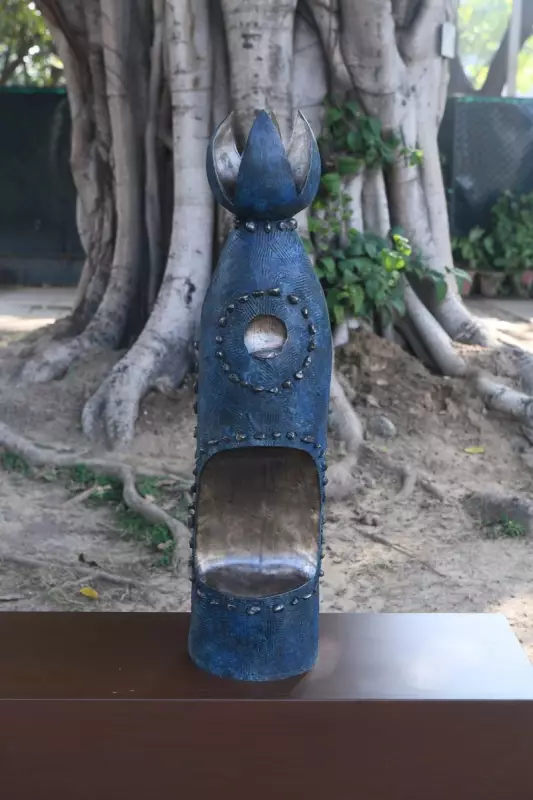
The show is not just a display of individual genius but a curated conversation between three distinct styles. Visitors can observe how each artist engaged with modernity while drawing from deep wells of indigenous and personal inspiration. The exhibition includes a variety of mediums, from bronze and wood to mixed media, showcasing the technical prowess and experimental spirit of these artists.
Organized with meticulous care, the exhibition aims to educate and inspire a new generation about the roots of modern Indian sculpture. It underscores the fact that these artists were not just creators but also revered teachers who shaped the course of art education in post-independence India. Their legacy is palpable in the works of countless artists who followed.
Planning Your Visit
The exhibition opened to the public recently and will run for a limited period. Art lovers, students, and historians are encouraged to visit this significant gathering of masterworks. The Art Heritage gallery at Triveni Kala Sangam provides an intimate setting perfect for engaging with these powerful sculptures. This is a must-see event for anyone interested in the evolution of Indian art, providing a condensed yet profound overview of a formative era.
By uniting the works of Baij, Bhagat, and Chaudhuri, the exhibition serves as a vital reminder of their enduring influence. It celebrates their courage to break from tradition and forge new paths, ultimately enriching the nation's cultural landscape. This presentation is a testament to their timeless relevance and the powerful dialogue their work continues to inspire.