Sangrur's Historic District Museum Reopens After Rs 2.5 Crore Restoration
The renovated District Museum in Sangrur was officially opened to the public on Thursday, marking a significant milestone in the Punjab government's efforts to preserve cultural and historical heritage. The extensive restoration project, costing Rs 2.5 crore, has breathed new life into this architectural gem located in Banasar Bagh.
A Living Symbol of Punjab's History
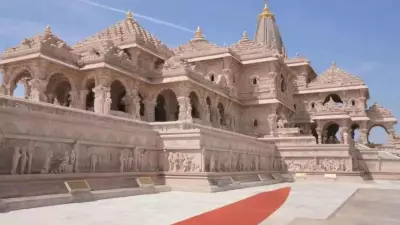
Inaugurating the facility, Member of Parliament Gurmeet Singh Meet Hayer described the museum as a "living symbol" of Punjab's rich history. He noted that the museum, which features distinctive Mughal and Rajasthani architectural styles, had remained closed for an extended period before undergoing comprehensive restoration.
The museum now stands as a testament to renewed grandeur, housing an impressive collection of rare and valuable artefacts associated with the rulers of the Jind state. Among the notable items on display are:

- Personal weapons of Maharaja Gajpat Singh, Maharaja Bhag Singh, and Maharaja Sangat Singh
- Antique pistols and royal portraits
- A gold-crafted kirpan (ceremonial sword)
- Ancient coins and historical documents
- A copy of the Shrimad Bhagwat Purana
- Various other heritage items of cultural significance
Historical Significance and Architectural Heritage
The building originally served as the Darbar Hall from where the administration of the Jind state operated. It was from this very location that Maharaja Ranbir Singh ruled for a substantial period. The foundation of this historic structure was laid in 1870 by Maharaja Raghbir Singh, adding to its historical importance.
The architectural details reveal a fascinating blend of craftsmanship:
- The exquisite gold work on the ceiling was executed by skilled Iranian artisans
- Architect Bhai Ram Singh designed the intricate wooden carvings and decorations
- The building represents a harmonious fusion of Mughal and Rajasthani architectural styles
Comprehensive Restoration Efforts
The Rs 2.5-crore restoration project involved meticulous conservation work to preserve the museum's historical integrity while incorporating modern amenities. Key restoration activities included:
- Conservation of ceiling artwork and delicate gold leafing
- Structural strengthening using traditional lime and modern concrete techniques
- Preservation of heritage chandeliers and lighting fixtures
- Installation of elegant brass doors
- Restoration of sandstone flooring
- Bolstering of the foundation for enhanced stability
- Polishing of wooden architectural elements
- Modernization of lighting arrangements for better display and visitor experience
Research and Cultural Insights
Researcher Rajiv Jindal, who conducted extensive research on the Jind state, Sangrur, and its architectural heritage, shared valuable insights about various historical buildings in Sangrur. His work has contributed significantly to understanding the cultural context and historical importance of the District Museum and surrounding structures.
The reopening of the District Museum represents more than just a building restoration; it signifies the Punjab government's commitment to preserving cultural heritage for future generations. The museum now serves as both an educational resource and a cultural landmark, inviting visitors to explore the rich history of the Jind state and the broader Punjab region.
This restoration project aligns with broader efforts across Punjab to protect and promote historical sites, ensuring that valuable cultural assets remain accessible to the public while maintaining their architectural and historical authenticity.