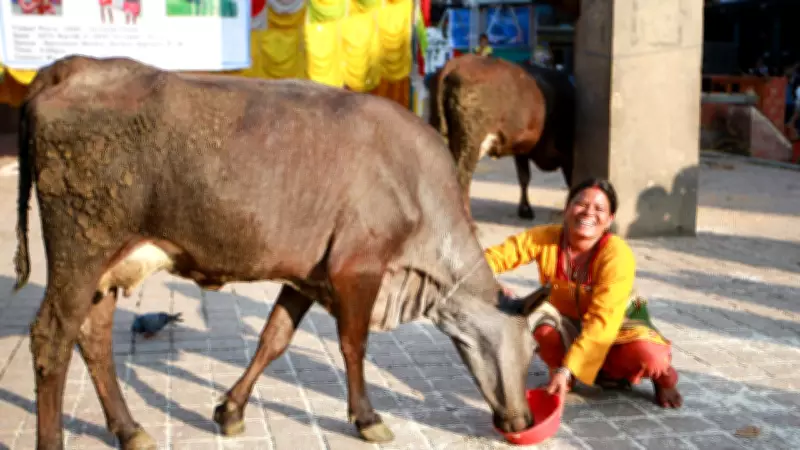
The Sacred Cow in Hinduism: A Symbol of Nourishment, Gratitude, and Dharma
In Hinduism, the cow holds a unique and multifaceted position that seamlessly blends the practical with the symbolic. This revered animal is deeply intertwined with daily life, rural economies, food systems, rituals, and spiritual beliefs. For countless Hindus, this comprehensive connection is precisely why the cow is treated with exceptional care and respect. Feeding and protecting cows is far from an empty or outdated custom; it is regarded as a sacred act that embodies core values such as gratitude, non-violence, and profound responsibility.
Why the Cow Matters in Hindu Life
The significance of the cow in Hinduism begins with its fundamental role in nourishment. For centuries, cows have been indispensable providers of milk, curd, butter, and ghee—all staple elements in Indian cuisine and religious ceremonies. This consistent provision has elevated the cow to a symbol of sustenance and abundance, which is why the term Gau Mata, or mother cow, is so prevalent. This phrase conveys deep respect, positioning the cow in a role of care and dignity. The underlying idea is straightforward yet powerful: the cow gives selflessly without demanding much in return, a quality highly cherished in Hindu philosophy.
Consequently, the cow is not merely viewed as a utilitarian asset but as a being worthy of active protection. Feeding it becomes a tangible way to acknowledge and honor this symbiotic relationship, reinforcing the bond between humans and this gentle creature.

The Cow in Scripture and Tradition
The sacred status of the cow is firmly rooted in Hindu scriptures and ancient cultural traditions. Numerous texts associate the cow with purity, prosperity, and auspiciousness, often linking it to blessings and a lifestyle that emphasizes restraint over excess. The enduring image of Lord Krishna as a cowherd in the pastoral setting of Vrindavan has profoundly shaped this reverence. This depiction brings the divine into the realm of everyday life, suggesting that holiness is not distant or abstract but can be found in ordinary acts of care.
This connection explains why cows are still fed during festivals, religious observances, and special occasions. Such acts are meaningful because they bridge devotion with daily behavior, making spirituality accessible and actionable.
Feeding Cows as a Sacred Act
Feeding a cow is considered a sacred practice because it integrates several key principles of Hinduism. It is an act of generosity, humility, and non-violence (ahimsa), which is a cornerstone of Hindu ethics. For many devotees, this deed is believed to generate positive karma, but its importance extends beyond future rewards. The act encourages individuals to pause, attentively notice another living being, and respond with compassion. This mindfulness imbues the gesture with spiritual significance, demonstrating that even ordinary actions can become sacred when performed with the right intention.
Caring for Cows as Part of Dharma
Reverence for cows goes beyond mere feeding; it encompasses caring for, protecting, and ensuring their well-being as part of dharma, or moral duty. This aspect is crucial because Hindu spirituality is closely linked to conduct, where behavior is as vital as belief. In many Indian regions, particularly rural areas, cows remain integral to daily household life. They are routinely fed, cleaned, and looked after, reflecting a broader principle: humans have an obligation to care for what sustains them. Thus, the cow serves not only as a religious symbol but also as a reminder of responsibility, where the sacred is expressed through practical, ethical behavior.

A Tradition Grounded in Gratitude
At its heart, the sacred place of the cow in Hinduism is fundamentally about gratitude. The cow provides nourishment, and this gift is remembered and honored through acts of care. Feeding it becomes a way to reciprocate the support and continuity it represents. This tradition retains its relevance even in modern times, where urbanization may distance people from farming. Many continue to recognize what the cow symbolizes: patience, selfless service, and giving without greed. Feeding and caring for cows unites faith with everyday ethics, reminding us that reverence is not confined to temples or prayers but is also demonstrated in how we treat dependent living beings.
In this sense, the cow stands as one of the clearest symbols in Hinduism of a simple yet enduring idea: what sustains life deserves to be treated with utmost respect and dignity.