In a profound reflection on the timeless epic, Swami Swaroopananda, the Global Head of Chinmaya Mission, has articulated that the Ramayana is far more than a tale from the past. He emphasizes that it is 'itihasa' – meaning 'thus it happened' – and is a living, ongoing reality that unfolds in every moment of our spiritual journey. This perspective, often shared by the revered Swami Chinmayananda who called it "His story," elevates the scripture from mere history to a mystical guide for life.
The Living Presence of Hanuman in Rama Katha
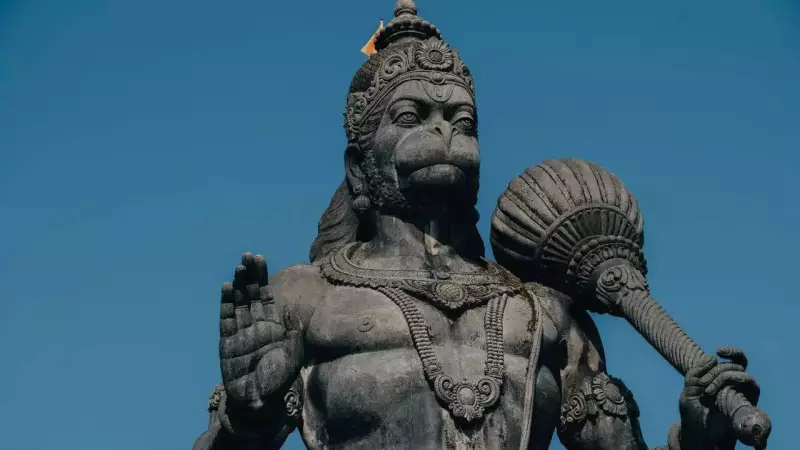
Swami Swaroopananda highlights a deeply held belief that is often manifested in remarkable ways. He notes that at every gathering where the Rama Katha is narrated, a special song invites Hanumanji to occupy a seat reserved for his idol. There have been instances where a monkey has literally sat on the asana meant for Hanumanji, reinforcing the faith of devotees. Therefore, one should never doubt that wherever the story of Rama is told with devotion, Shri Hanuman is present. And as the saying goes, where Hanumanji is, Lord Rama and his divine grace are always close.
The author recounts a poignant moment from the scripture. When Lord Rama, Sita, and Lakshmana were returning to Ayodhya in the Pushpaka Vimana, Hanuman sought permission to visit his mother, Anjana Mata. Upon seeing the divine couple, Anjana told her son that one can rarely repay the debt to mother, father, or Guru. However, by bringing Shri Rama and Sita to her, Hanuman had cleared all his filial duties in one supreme act. From that moment, his only duty was to serve the Lord.

Anjana's Lesson and Hanuman's Eternal Vow
Swami Swaroopananda draws a powerful lesson for all. Despite all our offerings and service, we remain forever indebted to our parents and Guru. While they never create this sense of debt, only they can truly free us from this obligation. The narrative takes an interesting turn when Hanumanji narrates his adventures in Lanka to his mother. For the first time, instead of praise, he faced a rebuke. Anjana Mata questioned why he did not sink Lanka, kill Ravana, and bring back Sita himself, sparing Lord Rama the journey.
Hanumanji's humble reply, "Mother, I did what Bhagavan asked me to do," finally pleased her, and she showered him with blessings. This exchange underscores the essence of selfless service – performing only the duty assigned by the divine, without personal glorification or overreach.
The Divine Command to Remain on Earth
The most touching part of the bond, as explained by Swami Swaroopananda, came at the end of the Rama Avatar. When it was time for Lord Rama to depart for Vaikuntha, He invited all to accompany Him. Hanumanji, ever the devoted servant, awaited his command. Lord Rama asked Hanuman, a Chiranjeevi (immortal being), to remain in the world. His eternal task was to be present wherever and whenever people took the Lord's name, sang His glories, or chanted the Ramayana.
Hanumanji, in turn, pleaded that the glories of the Lord be sung for as long as creation exists, so he could remain on Earth listening to them. Thus, the firm belief is born: Wherever Shri Rama's katha or kirtan is performed, Hanumanji is present. And where Hanumanji is, the Bhagavan's grace inevitably follows. This truth, Swami Swaroopananda urges, must be held with reverence and without doubt.
In a contemporary context, the author will be part of a landmark event celebrating 75 years of the Chinmaya Movement. This celebration will take the form of a collective Hanuman Chalisa chanting on January 11 at Yashobhoomi in Dwarka, New Delhi. The event symbolizes the living tradition of devotion and the eternal presence of the divine in our collective consciousness, as taught by the Ramayana.