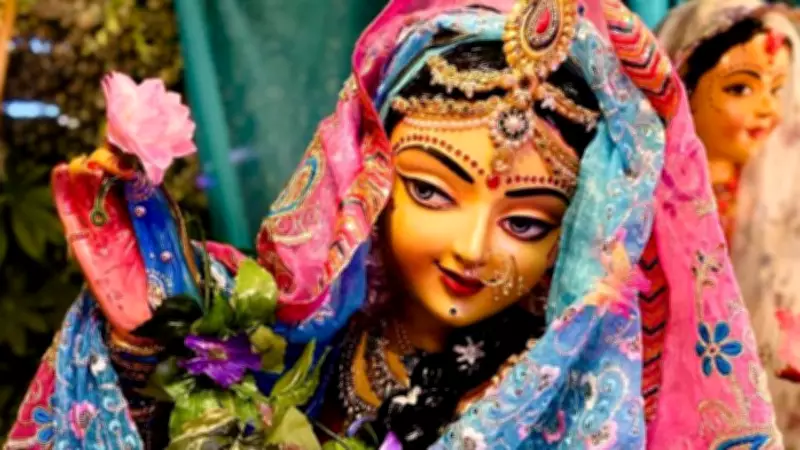
In the profound Bhakti tradition of India, Radha transcends conventional mythological narratives and romantic symbolism. She embodies the very essence of devotion, representing the emotional and spiritual force that irresistibly draws the human heart toward the divine. While Krishna symbolizes cosmic consciousness and universal awareness, Radha personifies the intense longing that actively seeks this connection. This dynamic interplay between seeking and being finds beautiful expression through her many sacred names.
The Transformative Power of Radha's Names
Each name of Radha functions not as a mere label but as a spiritual doorway. These names articulate diverse expressions of divine love, complete surrender, inner strength, and profound spiritual awakening. Chanting her names transcends simple verbal repetition; it gradually shifts the mind into subtler, quieter states where devotion naturally replaces distraction and spiritual focus deepens.
Radha as the Divine Energy of Love
Within the Vaishnava tradition, Radha is revered as Krishna's hladini shakti, the essential energy of divine bliss. She is not separate from Krishna but represents the very force through which divine love is experienced and expressed. Where Krishna embodies stillness and awareness, Radha manifests as movement and devotion. This complementary relationship explains why her names carry such transformative power, describing various consciousness states that emerge when love transcends ego boundaries.

Decoding the Sacred Names
Radha - "The One Who Worships"
Derived from the Sanskrit root radh, meaning "to adore" or "to worship," Radha represents devotion itself. Chanting this sacred name facilitates a mental shift from wanting to giving, encouraging the release of control and movement toward spiritual surrender. This process is spiritually significant because true awakening emerges not from forcing the mind but from gently softening it.
Radhika - "The Beloved"
Radhika signifies the one who is deeply and unconditionally loved. This name addresses spiritual worthiness, gently reminding practitioners that divine love is not earned through effort but gracefully received. For many who struggle with feelings of spiritual inadequacy, chanting Radhika can help heal emotional separation and cultivate acceptance.
Vrindavaneshwari - "Queen of Vrindavan"
This name connects Radha to Vrindavan's sacred landscape, symbolizing the inner spiritual realm where divine play unfolds. Chanting Vrindavaneshwari reminds the mind of its own sacred inner space, untouched by external fears or distractions, and draws awareness inward toward spiritual refuge.
Krishna-Mayi - "She Who Is Filled with Krishna"
Krishna-Mayi describes Radha as so completely absorbed in divine love that she becomes indistinguishable from it. This name represents the state of spiritual unity where boundaries between self and divine begin to dissolve. In meditation and chanting, this marks the transition from seeking to being.
Gandharvika - "The One Who Enchants"
Gandharvika represents Radha as divine attraction, the subtle force that draws consciousness toward higher awareness. Chanting this name functions like a spiritual magnet, gradually pulling the mind away from lower impulses and toward deeper stillness, explaining why devotional chanting often creates effortless calm.
Consciousness Transformation Through Sacred Repetition
From a spiritual psychology perspective, repetitive chanting alters neural patterns significantly. When sacred names like Radha's are repeated with focused attention, the brain transitions from stress-based rhythms to calmer, more coherent states. However, Radha's names accomplish more than nervous system relaxation; they awaken emotional devotion, which proves far more transformative than intellectual belief alone. Engaging the heart through devotion naturally quiets the ego, and as ego softens, spiritual awareness expands organically.

Radha as the Inner Devotional Mind
Ultimately, Radha represents not merely an external goddess but the intrinsic part of human consciousness that yearns for connection, beauty, and meaning. Her names describe emotional states existing within every being: love, surrender, joy, vulnerability, and union. Chanting these names systematically aligns the mind with these elevated states, facilitating inner harmony.
Why Spiritual Awakening Begins with Love
While many spiritual paths emphasize discipline or detachment, the Bhakti path centers on love as the fundamental transformative force. Radha's names are particularly powerful because they train the heart to love unconditionally, without demands or expectations. This quality of love dissolves fear, softens rigid identity constructs, and creates the inner silence that serves as the true doorway to spiritual awakening. Thus, Radha does not lead seekers away from worldly experience but guides them deeper into it, free from attachment. When love becomes quiet and profound, pure awareness begins to shine through.
The exploration of Radha's names reveals how the Bhakti tradition offers practical pathways for spiritual transformation through devotional practice, emotional engagement, and the sacred power of sound vibration.