Pune's Tamil Community Celebrates Pongal with Urban Adaptations
Across Pune, Tamil households are currently celebrating the Pongal harvest festival. This four-day celebration blends ancient rituals with modern urban adaptations. The festival centers on gratitude, family, and food. It unfolds in apartment kitchens, housing society parking lots, and community halls. These locations show how the festival seamlessly adjusts to city constraints.
The Four Days of Pongal Celebration
The festival began with Bhogi Pongal. This day is dedicated to renewal and letting go. Traditionally, people burn old clothes and unused items. This act symbolizes a clean break from the past. Urban residents now often choose to recycle or donate these items instead. The focus remains on releasing material and emotional baggage. This prepares everyone for the new agricultural cycle.
The second day is Thai Pongal. This day forms the heart of the festival. Families cook rice with milk and jaggery until it boils over the pot. This symbolic gesture expresses abundance and gratitude toward the Sun. S.N. Saroja, a resident of Pimple Saudagar, explains the significance. "Pongal is first a harvest festival and then a celebration at home," she says. "Rice is central because it comes from the harvest. We pair it with pulses and something sweet like jaggery. We wake up early, bathe, cook the Pongal, and offer it to the Lord before sharing it with loved ones."

Homes are further adorned with kolam at the threshold. Kolam is a form of rangoli. Instead of using synthetic powders, traditional kolam is made with rice paste. Saroja describes this practice. "For auspicious occasions, we grind rice into a paste. We draw the design with a finger wrapped in cloth." This practice welcomes prosperity while providing food for birds and insects.
The third day is Mattu Pongal. This day honors cattle for their vital role in farming. The final day is Kaanum Pongal. This day focuses on social connections. Families visit relatives and spend time outdoors. They mark the festival's end with shared meals and conversation.
Community Events Bridge Tradition and Modern Life
In Pune, the transition from rural fields to city life has shifted many celebrations. Events often move to the nearest weekend for convenience. The Pune City Tamil Sangam has organized a major community gathering on Sunday, January 18. Sathyanarayanan L., secretary of the Sangam, explains the planning. "Our celebration is planned for Sunday to allow everyone to come together," he said. "We will prepare Pongal the traditional way in the parking area. This will be followed by kolam competitions, cultural programmes, and a traditional lunch. Everyone is welcome to join."
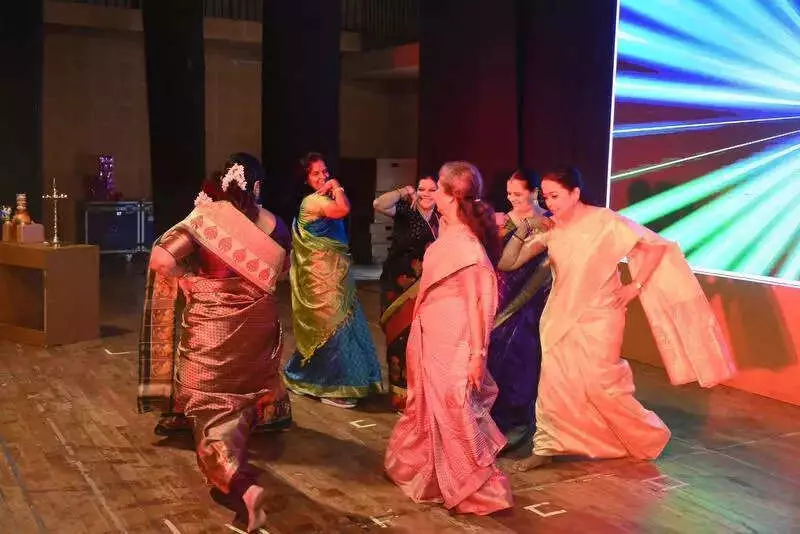
The event will feature folk traditions. These include Bharatanatyam and kummi dance performances. Sathyanarayanan notes the adaptations in cooking methods. "What should traditionally be cooked over an open fire often becomes 'pressure-cooker' Pongal instead. These organized events help bridge that gap."
Preserving Essence in Urban Settings
Despite the shift to urban settings, the essence of the festival remains intact within the home. Meena Krishnan, a resident of Wakad, shares her perspective. "We cannot do everything our parents did in our hometowns," she says. "But we make sure our children understand why we celebrate. Even if it is just a small pot of Pongal on a modern stove, it carries the same weight of meaning and tradition."
The celebrations in Pune demonstrate a beautiful balance. Traditional rituals adapt to fit city life while preserving their core values. Families maintain their cultural heritage through both private home practices and public community events. This ensures that the spirit of Pongal continues to thrive in an urban environment.