Gujarat High Court Intervenes in SHRC Compensation Order for Alleged Medical Negligence
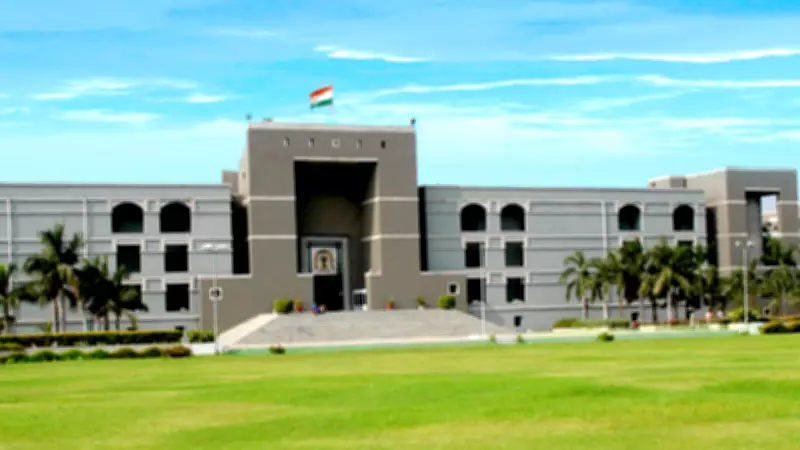
The Gujarat High Court has issued a stay on an order from the Gujarat State Human Rights Commission (SHRC) that mandated compensation from doctors in a tragic case involving infant mortality. This legal development centers on a high-risk pregnancy incident at a government hospital in Idar town, Sabarkantha district, which occurred in May 2024.
Court Proceedings and Jurisdictional Challenge
Justice Aniruddha Mayee of the Gujarat High Court has taken action by issuing a notice to the SHRC and requesting its response. This move came after advocate Siddharth Kheskani, representing a petitioner-doctor, argued that the SHRC's order violated Section 18 of the Protection of Human Rights Act, 1993. According to the petition, the commission possesses only recommendatory jurisdiction and overstepped by issuing a punitive directive.
The High Court has scheduled further hearings for March 30 and, in the interim, has stayed the SHRC's order. This legal pause highlights the ongoing debate over the limits of the commission's authority in cases of alleged medical negligence.
Background of the Case: Infant Death and Alleged Negligence
In this distressing incident, an infant died during a high-risk pregnancy that was managed at a government hospital in Idar. Two doctors on shift duty, Dr. Gajendra Gadhvi and Dr. Amul Varma, faced a departmental inquiry, which concluded they were negligent for not immediately referring the case to the district hospital in Himmatnagar. The husband of the patient made multiple representations seeking action, including one sent to the SHRC.
In November 2025, the SHRC directed both doctors to pay Rs 2.50 lakh in compensation to the patient. Additionally, it ordered the state government to recover this amount by deducting it from the doctors' salaries, a move that has sparked significant legal controversy.
Doctor's Petition and Legal Arguments
Dr. Amul Varma challenged the SHRC order, contending that the commission exceeded its jurisdictional boundaries. The petition emphasized that the Protection of Human Rights Act does not empower the commission to issue coercive recovery directions, such as salary deductions for government servants. It further argued that the SHRC erred by imposing liability without recording proper findings, thereby acting beyond its recommendatory powers.
The petition stated, "The law does not empower the commission to issue coercive recovery directions, including salary deductions of government servants... The commission erred in fastening liability upon the petitioner without recording any findings." This legal stance underscores the broader issue of how human rights commissions can enforce their decisions within the framework of existing laws.
Additional SHRC Actions and Political Implications
During the SHRC proceedings, the commission received letters related to the doctors' case. In response, it ordered the state government to verify these letters, identify the senders, and take appropriate action against two Idar taluka panchayat members—Naranbhai Revabhai Patel and Baldevbhai Ashhokbhai Patel. The SHRC accused them of misleading the commission, applying undue pressure, and attempting to tarnish the image of the Bhartiya Janta Party.
This aspect of the case adds a layer of political complexity, suggesting that external influences may have played a role in the commission's deliberations. The High Court's stay order now puts these actions on hold as the legal process unfolds.
Implications for Medical and Legal Systems
This case raises critical questions about the balance between holding medical professionals accountable for negligence and ensuring that legal bodies operate within their statutory limits. The Gujarat High Court's intervention highlights the need for clarity in the enforcement powers of human rights commissions, particularly in sensitive matters like healthcare.
As the hearing approaches on March 30, stakeholders in the medical and legal communities will be closely watching the outcome, which could set a precedent for future cases involving alleged medical malpractice and human rights violations in India.