The Psychology of Eid Hugs: Why They Feel Different and Special
Eid celebrations are marked by joy, gratitude, and heartfelt connections, with hugs playing a central role in expressing these emotions. But have you ever wondered why Eid hugs feel so distinct from everyday embraces? The answer lies in a fascinating blend of psychology, culture, and social dynamics that make these moments uniquely meaningful.
The Emotional Significance of Eid Hugs
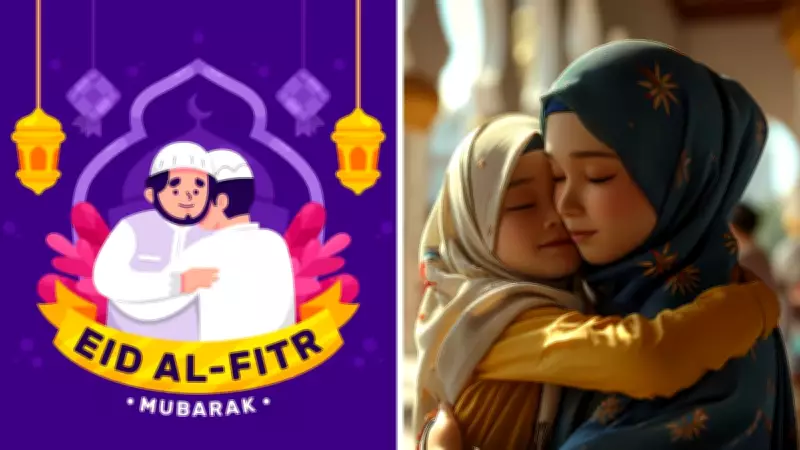
Eid hugs are not just casual greetings; they are deeply embedded in the cultural and religious fabric of the festival. During Eid al-Fitr and Eid al-Adha, hugs symbolize forgiveness, unity, and the renewal of relationships. Psychologically, this context amplifies their impact. When people hug on Eid, they are often releasing built-up emotions from the preceding month of fasting or pilgrimage, creating a sense of catharsis and emotional relief.
Research in psychology suggests that hugs trigger the release of oxytocin, often called the "love hormone," which promotes bonding and reduces stress. On Eid, this effect is heightened because the hugs occur in a setting of shared spiritual and communal experiences. The anticipation and ritualistic nature of the festival prime individuals to be more receptive to emotional connections, making the hugs feel more intense and memorable.

Cultural and Social Dimensions
Eid hugs are steeped in tradition and social norms that differentiate them from everyday interactions. In many cultures, hugging during Eid is a prescribed act of greeting after prayers, reinforcing social bonds and community cohesion. This ritualistic aspect adds a layer of significance, as hugs become a symbol of reconciliation and goodwill, often mending strained relationships.
From a psychological perspective, these hugs serve as non-verbal communication that conveys messages of peace, love, and acceptance. The collective participation in hugging rituals during Eid fosters a sense of belonging and identity, which is crucial for mental well-being. Studies show that such social rituals can enhance happiness and reduce feelings of loneliness, contributing to the overall festive atmosphere.
Why Eid Hugs Feel Different: Key Factors
- Contextual Meaning: Hugs on Eid are tied to religious and cultural symbolism, making them more purposeful than casual embraces.
- Emotional Release: They provide an outlet for emotions accumulated during periods of fasting or reflection, leading to a sense of liberation.
- Social Reinforcement: The act is often performed in groups, strengthening community ties and creating shared memories.
- Psychological Benefits: Increased oxytocin levels from hugs boost mood and reduce anxiety, amplified by the festive setting.
- Ritualistic Nature: The predictability and tradition of Eid hugs enhance their emotional impact, making them feel special and anticipated.
Enhancing Well-Being Through Eid Hugs
Beyond their immediate joy, Eid hugs have lasting psychological benefits. They promote empathy and compassion, as individuals connect on a deeper level during the celebrations. This emotional exchange can improve mental health by reducing stress and fostering positive relationships. In a fast-paced world, such moments of genuine connection are invaluable, reminding us of the importance of human touch and communal support.
In conclusion, the unique feel of Eid hugs stems from a combination of psychological, cultural, and social factors. They are more than just physical gestures; they are expressions of faith, forgiveness, and fellowship that enrich the human experience. As we celebrate Eid, understanding this psychology can help us appreciate these hugs even more, embracing their power to unite and heal.