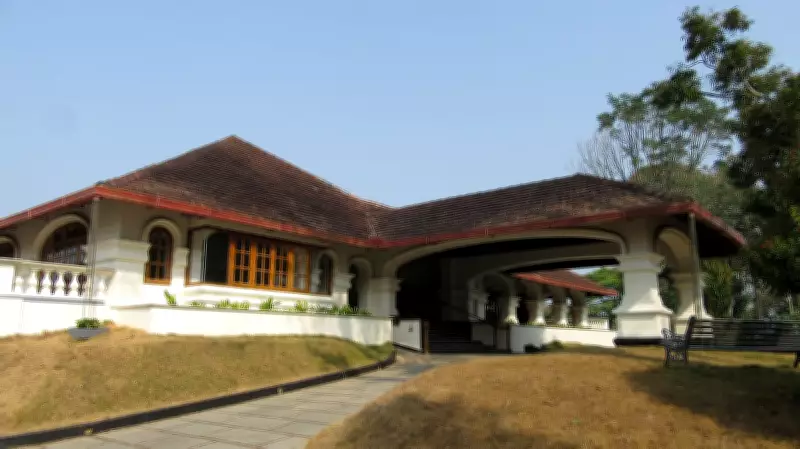
Pollibetta's Colonial Heritage Amidst Coffee Estates
In the heart of Karnataka's Kodagu district, the small town of Pollibetta stands as a living testament to India's colonial past. Nestled amidst sprawling coffee estates, this serene locale preserves a rich legacy of British-era architecture, with historic bungalows, clubs, and churches that whisper tales of a bygone era. Priyan R Naik's exploration delves into the intricate history and architectural marvels that define Pollibetta, offering a glimpse into a world where colonial influences blend seamlessly with the natural beauty of the Western Ghats.
Architectural Gems of a Bygone Era
The colonial bungalows of Pollibetta are more than just structures; they are symbols of a historical epoch that shaped the region's cultural and social landscape. Among these, the Woshully Bungalow, Surgi Bungalow, and Pollibetta Bungalow stand out as prime examples of British architectural prowess. Built during the 19th and early 20th centuries, these bungalows feature distinctive elements such as:
- Verandas and Porticos: Designed to combat the tropical climate, these spaces provided cool retreats and social gathering spots.
- High Ceilings and Large Windows: Enhancing ventilation and natural light, these features reflect adaptive design principles.
- Wooden Beams and Stone Foundations: Utilizing local materials, the construction showcases a blend of British techniques and indigenous resources.
These buildings served as administrative centers and residences for British planters and officials, playing a pivotal role in the coffee plantation economy that thrived in Kodagu. Today, they stand as silent witnesses to the colonial impact on the region's development and lifestyle.

The Social Hubs: Clubs and Churches
Beyond the bungalows, Pollibetta's colonial legacy is evident in its social institutions. The town's clubs and churches were central to community life during the British era, fostering social interactions and cultural exchanges. The Pollibetta Club, for instance, was a hub for recreational activities and networking among the elite, while churches like St. Mark's Church served as spiritual anchors, featuring Gothic-inspired architecture with stained glass windows and ornate altars.
These institutions not only catered to the British residents but also influenced local traditions, introducing new customs and architectural styles that have endured over time. The preservation of these sites highlights the town's commitment to honoring its multifaceted history, where colonial and indigenous elements coexist harmoniously.
Preserving History in Modern Times
As Pollibetta evolves, efforts to conserve its colonial heritage have gained momentum. Local initiatives and heritage enthusiasts, including researchers like Priyan R Naik, are documenting and advocating for the restoration of these historical sites. Challenges such as weathering and urbanization threaten their integrity, but community-driven projects aim to maintain these landmarks for future generations.
The significance of Pollibetta's colonial architecture extends beyond aesthetics; it offers insights into the socio-economic dynamics of the British Raj in South India. By studying these structures, historians and architects can better understand the interplay between colonial policies and local adaptations, enriching our knowledge of Karnataka's past.
In conclusion, Pollibetta remains a captivating destination for history buffs and travelers alike, where the echoes of colonial rule resonate through its bungalows, clubs, and churches. As Priyan R Naik's work underscores, this small town in Kodagu is a microcosm of India's complex historical tapestry, inviting us to reflect on the enduring legacies that shape our present.