World's Oldest Processed Gold Unearthed in Bulgaria, Shocking Archaeologists
The excavation of a 6,500-year-old site in Bulgaria has left archaeologists astounded, as it has revealed what is now considered the world's oldest processed gold. This groundbreaking discovery was made at the Varna Chalcolithic Necropolis, located along the scenic coast of the Black Sea. The site offers an unprecedented glimpse into one of Europe's earliest advanced civilisations, challenging long-held beliefs about the origins of human metallurgy and social complexity.
Varna Necropolis: A Treasure Trove of Ancient Riches
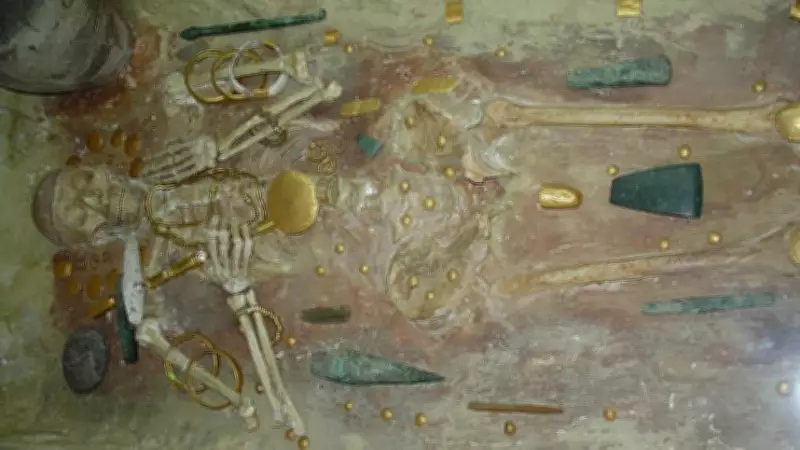
According to Varna's official website, the Varna Necropolis was accidentally discovered in 1972 and has since been identified as one of the most significant prehistoric archaeological sites globally. Dating back to the period between 4600 and 4200 BC, it houses the oldest known processed gold in the world. Among the numerous tombs, one particular grave has captivated researchers, overflowing with an unimaginable amount of gold. This find is not merely about material wealth; it is a pivotal moment that rewrites history, shedding light on early civilisations' attitudes toward wealth, power, and social organisation.
So far, archaeologists have unearthed nearly 300 tombs within the necropolis, each containing intricate objects crafted from gold, copper, and other materials. In total, over 3,000 gold objects have been recovered, weighing more than 6 kilograms. This collection is not only the oldest but also ranks among the richest prehistoric gold assemblages ever found. These discoveries firmly establish Bulgaria as the cradle of early human metallurgy, overturning the conventional wisdom that placed the origins of metallurgy in Mesopotamia or Egypt.

The 'Golden Man': A Symbol of Power and Prestige
One of the most remarkable grave sites is often referred to as the 'leader's grave.' This burial contained over 1.5 kilograms of gold ornaments, including jewellery and other symbolic items. The individual interred here was likely a chief or a prominent societal figure, with the grave serving as a testament to their elevated status during life. This finding clearly indicates that social hierarchies existed much earlier in human history than previously acknowledged.
Research from 'New Perspectives on the Varna Cemetery (Bulgaria)' highlights that only a limited number of such lavish graves exist, suggesting 'a stabilisation of the new social structure' during the Copper Age. This period likely saw the establishment of a social class system, where immense wealth and power were concentrated in the hands of a select few, marking a significant shift in prehistoric societal dynamics.
Cultural and Symbolic Significance of the Gold Artefacts
The gold artefacts from Varna are not merely decorative; they carry profound cultural and symbolic meanings. Archaeologists assert that these items held ritual or spiritual significance, rather than being solely for display. In a conversation with the European Journal of Archaeology, renowned archaeologist Sir Colin Renfrew noted that the discovery of gold at Varna was unexpected. He observed that the 'oldest gold treasure... was not found in Sumer or Egypt,' thereby refuting earlier theories about the cradle of civilisation. The exceptional craftsmanship evident in these artefacts also demonstrates that the people of Varna possessed advanced skills in gold metallurgy far earlier than previously imagined.
Redefining Human History Through Ancient Discoveries
The Varna Necropolis continues to reshape our understanding of prehistoric Europe. This site provides compelling evidence that complex societies, social hierarchies, economic networks, and the symbolic use of wealth date back much further than once thought. Remarkably, approximately 70% of the site remains unexcavated, offering hope for future discoveries that could further alter our perspective on human development. In essence, this 6,500-year-old burial ground is more than just a collection of graves; it is a powerful message from the past, revealing that our history is not only deep but also shines brighter than we ever anticipated.