Tamil Nadu Elections: Women's Welfare Takes Center Stage Amid Naming Debates
In 2006, DMK patriarch M Karunanidhi famously declared the party's poll manifesto as the 'hero' of the election, promising colour televisions to every household in Tamil Nadu. Fast forward to the 2026 election, and DMK president M K Stalin has dubbed the manifesto the 'heroine', unveiling a series of promises specifically aimed at enhancing women's welfare. This shift underscores a broader trend, as all major contenders—DMK, AIADMK, and TVK—have placed women's empowerment at the core of their electoral pledges.
Contrasting Names and Patriarchal Undertones
Despite being marketed as women-centric initiatives, the naming of these schemes often draws from patriarchal notions of female identity. For instance, AIADMK has introduced the 'Kula vilakku scheme', mirroring DMK's existing 'Kalaignar Magalir Urimai Thogai scheme'. Meanwhile, TVK has promised the 'Thaai Maaman Seer', which entails providing a gold ring to every baby girl. DMK, on its part, announced the 'Illatharasi scheme', offering homemakers coupons to purchase or exchange domestic appliances.
So, what do these names signify? 'Kula vilakku' traditionally describes a woman expected to sacrifice everything for her family or her husband's family, bearing the responsibility of carrying family pride and honor to the next generation. The 'Thaai Maaman Seer', meaning gift by uncle, appears to legitimize the practice of consanguineous marriages. In contrast, during the 2021 assembly election, DMK opted for more progressive terminology with 'Kalaignar Magalir Urimai Thogai', using words like 'magalir' (women) and 'urimai' (rights) to frame a monthly dole of Rs1,000 for women heads of families.

Evolution of Schemes and Social Context
Further illustrating this evolution, DMK rebranded the 'Moovalur Ramamirtham Ammaiyar Memorial Marriage Assistance Scheme' as the 'Moovalur Ramamirtham Ammaiyar Higher Education Assurance Scheme', now widely known as the 'Pudhumai Penn' scheme. This change shifted the focus from marriage assistance to boosting girls' enrolment in higher education, reflecting a move towards more inclusive policies.
In Tamil Nadu, women's workforce participation ranks among the highest in India, with increasing numbers of women opting for independent living driven by economic aspirations and career growth. According to the 2011 Census, the state has approximately 9 lakh 'one-woman' households. Against this backdrop, welfare schemes that continue to frame women within marital and family identities reveal a lag in policy language relative to social transformations.
Expert Insights on Political Strategies
S Chinnammai, professor and head of the Department of Economics at the University of Madras, notes, "The institution of marriage and family structures remain deeply ingrained here. Consequently, political parties naturally target women as heads of families when crafting manifestos. Although the naming of poll promises centers on 'married women', they often extend benefits to single mothers as well."
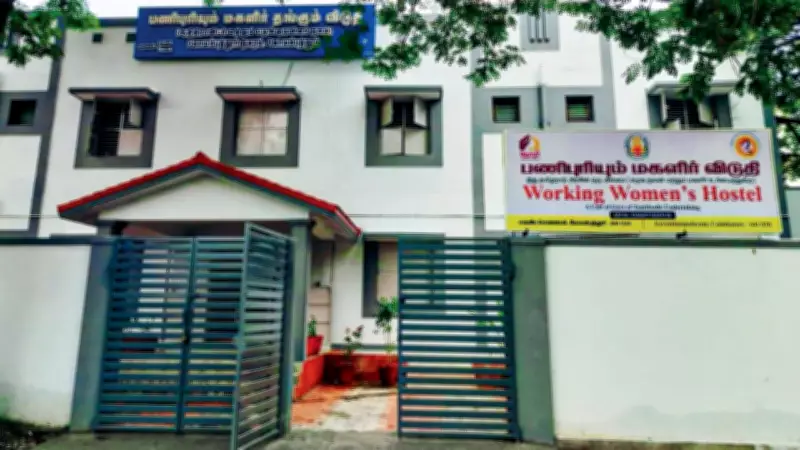
Advocate A Arulmozhi emphasizes that poll promises are shaped by a party's ideological foundation. "When DMK initiated financial assistance for women, it named the scheme after Moovalur Ramamirtham, a notable social reformer. Similarly, initiatives like 'Pudhumai Penn' and 'Thozhi' (working women's hostels) are designed to include every woman, regardless of marital status," Arulmozhi explains. "In the current election, DMK has used the term 'Illatharasi', which translates to 'kudumba thalaivi' or woman head of the family. This should not be viewed solely through a 'marital status' lens but as a broader recognition of women's roles."
The debate over scheme names highlights a critical tension in Tamil Nadu's political landscape: while parties strive to address women's welfare, the language employed often reflects outdated patriarchal values, underscoring the need for policies that align more closely with contemporary social realities.