Odisha Parba 2026 Concludes in Delhi with Record Crowds Celebrating Tribal Heritage
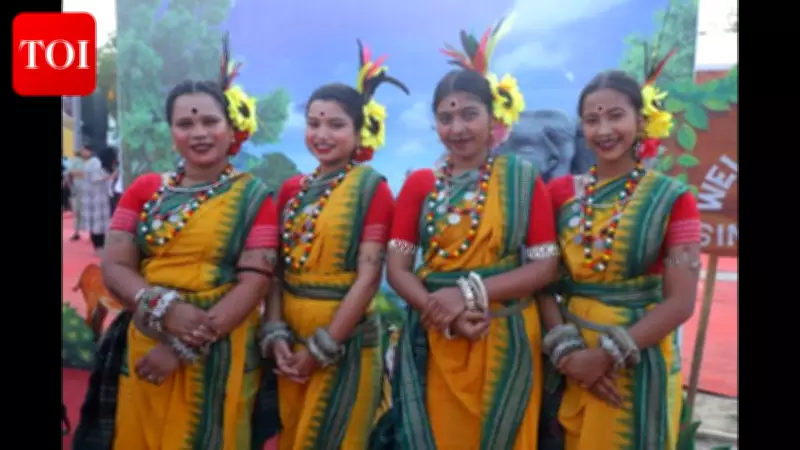
The national capital was transformed into a vibrant celebration of eastern Indian culture as Odisha Parba 2026 concluded triumphantly at the Jawaharlal Nehru Stadium over the weekend. This three-day cultural extravaganza created a pulsating "Mini Odisha" experience in the heart of New Delhi, attracting unprecedented crowds and offering deep immersion into Odia traditions.
Organized as a cultural homecoming for the Odia diaspora, the festival also emerged as a major attraction for visitors from across Delhi-NCR who were not originally from Odisha. The 2026 edition's theme, 'Prakruti & Sanskruti' (Nature & Culture), established the foundation for an authentic and raw showcase of Odisha's tribal and folk traditions, bringing the state's cultural heartland directly to the national capital.
A Living Canvas of Folk and Tribal Traditions
From the inaugural Sankha Badya (conch blowing) that marked each day's auspicious opening, Odisha Parba 2026 established itself as far more than a conventional festival—it became a living, breathing cultural immersion. The venue buzzed with extraordinary energy as audiences didn't merely observe performances but actively participated, dancing shoulder-to-shoulder with artists in spontaneous cultural exchange.

Among the standout highlights were rare tribal performances seldom witnessed outside Odisha's borders:
- The rhythmic Bonda Tribal Dance and vibrant Durua Tribal Dance offered precious glimpses into indigenous traditions deeply rooted in community and nature
- The widely celebrated Dhemsa dance quickly became a crowd favorite, with hundreds forming human chains and moving in perfect unison with performers
- Equally powerful was the Kedu Tribal Dance of the Kandha tribe, a ritualistic expression reflecting profound spiritual connection with the earth that left audiences both mesmerized and contemplative
Martial Energy and Theatrical Brilliance
The festival also showcased Odisha's martial and theatrical heritage through electrifying performances that captivated all attendees. The Paika Nacha, a traditional martial dance, enthralled audiences with its high-energy choreography and historical significance, symbolizing the valor of ancient warriors who once defended the region.
Adding dramatic flair was the Bagha Nacha (Tiger Dance), where performers painted as tigers combined remarkable agility with compelling storytelling in a visually striking theatrical act. The cultural lineup was further enriched by several exceptional performances:
- The globally acclaimed masked dance form Chhau Nacha, which masterfully blended mythology with martial movements
- The infectious beats of Sambalpuri Folk Dance that had audiences swaying and dancing along spontaneously
- A vibrant display of traditional musical instruments including the Mahuri, Dhol, and Nishan, creating an authentic sonic landscape that permeated every corner of the venue
Beyond Performances: A Complete Sensory Journey
Odisha Parba extended far beyond the stage into a comprehensive sensory exploration of the state's rich culture. Visitors indulged in iconic Odia delicacies such as Dahibara Aloodum and Chhena Poda, while artisan stalls showcased exquisite craftsmanship including intricate silver filigree work and beautifully handwoven Sambalpuri textiles.
Every section of the stadium echoed with the authentic essence of Odisha, reinforcing the festival's identity as a genuine "Mini Odisha" established temporarily in the national capital. The combination of visual, auditory, and culinary experiences created a holistic cultural immersion rarely achieved in urban festival settings.
Bridging Cultures and Building Meaningful Connections
Organizers hailed the overwhelming public response as definitive proof of the universal appeal inherent in Odia culture. The sight of non-Odia attendees enthusiastically participating in folk dances like Dhemsa and Sambalpuri highlighted the festival's remarkable success in transcending cultural boundaries and creating genuine connections.

"It wasn't just an event; it became a living bridge between Odisha's ancient traditions and the modern urban audience," noted a representative from the Odia Samaj organizing committee. "The spontaneous participation from people of all backgrounds demonstrated how cultural heritage can unite rather than divide."
As the festival drew to a close on Sunday evening, the lingering echoes of Jodi Shankha and the shared joy of cultural exchange left an indelible mark on all attendees. Odisha Parba 2026 not only celebrated heritage with unprecedented authenticity but also strengthened cultural connections across communities, adding another memorable chapter to its growing legacy within the national capital's cultural landscape.