The Multifaceted Significance of Namaste
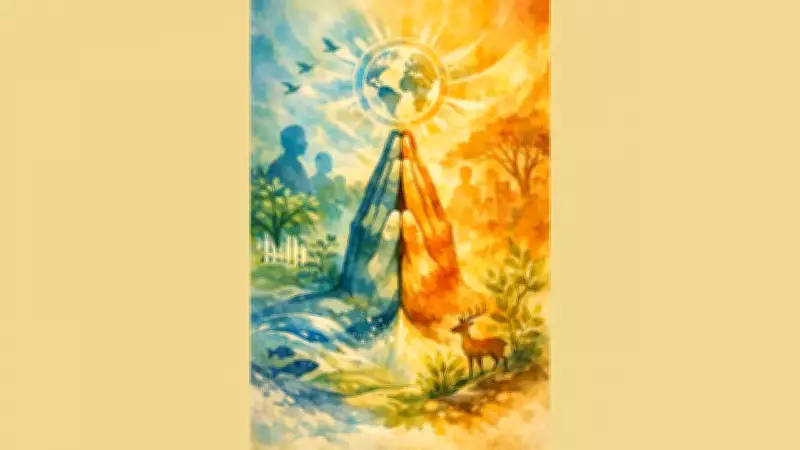
Namaste, performed with hands folded at the heart chakra and a slight bow of the head, represents far more than a simple greeting. This whole-hearted gesture conveys respect, reverence, and compassion through a non-contact form that has deep cultural and spiritual roots. The act requires both hands, with the right hand connected to the brain's left hemisphere and the left hand to the right hemisphere, creating a unique neurological connection.
Therapeutic and Cultural Foundations
Beyond cultural tradition, Namaste holds significant therapeutic value. Each hand contains numerous nerve endings and vital points, and when pressed together, they stimulate these areas. Taoist philosophy maintains that the right hand represents yang (masculine energy) while the left represents yin (feminine energy). Their joining allows positive and negative charges to flow evenly throughout the body, promoting balance and harmony.
The COVID-19 pandemic fundamentally changed global greeting customs as physical contact became risky. Handshakes, known to spread various diseases, were quickly replaced by fist bumps and elbow touches. When avoiding contact became necessary and hugging remained impractical, Namaste emerged as a safe, preventive alternative that effectively countered microbial transfer.

Historical Context and Spiritual Depth
Historically, handshakes served as greetings, expressions of gratitude, and ways to seal agreements, often demonstrating peaceful intent by showing empty hands. Namaste carries a deeper meaning: it represents "bowing to you," with the "you" recognizing the divine within each person. The gesture acknowledges "the place in you where the entire universe resides—the place of peace, truth, love, and light." This elevates Namaste from mere physical connection to spiritual recognition of human sacredness.
Universal Application and Cultural Integration
In yogic practice, the standing gesture is called Pranamasana, while in the Natya Shastra (ancient dance text), it's known as Anjali Mudra. Buddhist and Jain traditions also incorporate this gesture, testifying to its ancient, widespread use. Namaste transcends boundaries of caste, creed, class, age, status, rank, privilege, and ethnicity. It can be offered equally to saints, sinners, kings, and strangers, serving as a bridge that confirms otherness while eliminating gaps between individuals.
The gesture helps acknowledge others' presence when entering unfamiliar gatherings and serves multiple purposes: worship, welcoming, showing gratitude, paying homage, saluting, pleading, requesting, and ending public talks where handshakes would be impractical. It combines humility, appreciation, and honoring in one versatile movement.
Global Relevance and Practical Benefits
Namaste's versatility becomes particularly evident in practices like Surya Namaskar (sun salutation), where it expresses gratitude to the sun as a vital source of warmth and light. The gesture overcomes cultural limitations and taboos associated with shaking hands, hugging, or kissing opposite-sex individuals who aren't close relatives, offering a decent, respectful alternative.
As cultural and business practices gain global recognition, Namaste fills several gaps in human interaction. Its benefits range from sanitary observance and psycho-emotional expression to therapeutic, humanitarian, and spiritual significance. When we join hands privately or with intertwined fingers, we silently pray for someone's well-being, express gratitude, or reflect deeply.
Cross-Cultural Perspectives
Japanese monk Shunmyo Masuno, also a renowned garden designer, explains the spiritual significance of Gassho—Japan's equivalent gesture. He believes developing respect for all things is crucial to becoming an ethical human being. In Gassho, the right hand represents others (whether Buddha, God, or people around you), while the left represents yourself. Bringing them together symbolizes unity, offering humility and expressing respect for those outside yourself.
Namaste continues to gain recognition worldwide as both a practical greeting and a profound spiritual practice that honors the divine in every human being.