Varanasi's Nagar Vadhus Uphold Centuries-Old Temple Tradition at Manikarnika Ghat
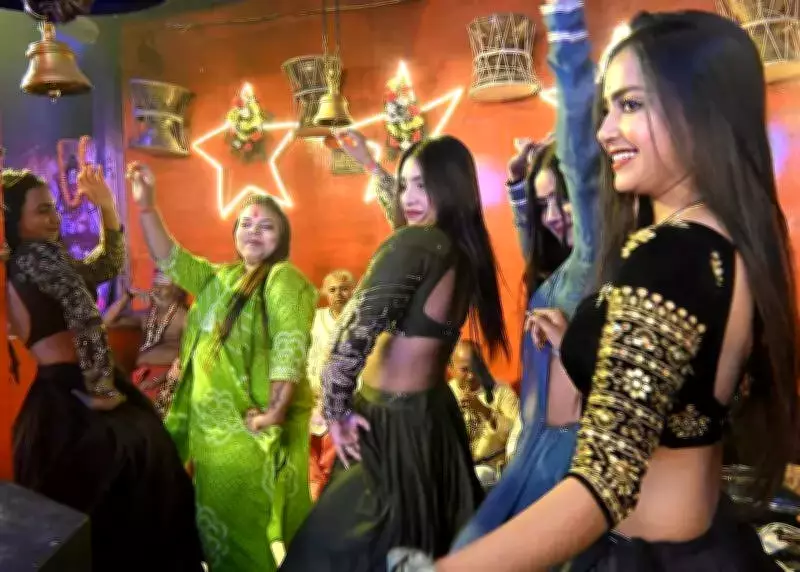
The sacred banks of the Ganges in Varanasi witnessed a profound cultural spectacle on Wednesday night as the three-day Shringar Mahotsav culminated at Baba Mahashmasan Nath. In a setting marked by the solemnity of burning pyres at Manikarnika Ghat, captivating music and dance performances were presented by the Nagar Vadhus, a community of court musicians and dancers historically referred to as sex workers.
A Tradition Rooted in History and Devotion
Following a grand aarti ceremony, the courtesans dedicated their traditional offerings to Baba through soulful singing and intricate dance routines. According to event organizers, this unique tradition has been preserved for hundreds of years, tracing its origins to a pivotal moment in the temple's history.
The legend recounts that when Raja Mansingh undertook the renovation of the Baba temple, he faced an unexpected challenge. No artist or performer was willing to come to the temple to present music, leaving the Raja deeply saddened by this reluctance.

How the Nagar Vadhus Stepped Forward
As this disheartening news spread throughout the ancient city of Kashi, it eventually reached the Nagar Vadhus. Hesitantly, they sent a message to Raja Mansingh, proposing that if given the opportunity, all the Nagar Vadhus of Kashi could present their performance at the temple.
Upon receiving this offer, Raja Mansingh was immensely pleased and extended a respectful invitation to the courtesans. Since that historic moment, this tradition has continued uninterrupted, becoming an integral part of the temple's cultural and spiritual fabric.
A Living Legacy That Endures
Today, this centuries-old practice remains vibrantly alive. Without requiring any formal invitation, the Nagar Vadhus autonomously gather at Manikarnika Ghat on the Saptami of Chaitra Navratri each year. Their performances serve as a testament to their enduring role in Varanasi's religious and artistic heritage.
The Shringar Mahotsav thus not only celebrates divine worship but also honors the resilience and dedication of the Nagar Vadhus, who have safeguarded this unique tradition through generations. Their contributions highlight the rich tapestry of India's cultural diversity and the deep connections between art, spirituality, and community in one of the world's oldest living cities.