Miri Embroidery: Assam's Hidden Heritage Craft and Its Cultural Significance
Assam, renowned globally for its sprawling tea gardens and picturesque river valleys, holds within its cultural heart a treasure trove of indigenous crafts that remain largely unknown to the wider world. Beyond the familiar landscapes, the state's rich diversity is woven into vibrant textiles and embroideries, passed down through generations and preserved by local communities. Among these, one craft stands out as India's best-kept heritage secret: Miri embroidery, a unique woven technique that embodies the identity and artistry of Assam.
A Part of Assam's Cultural Identity
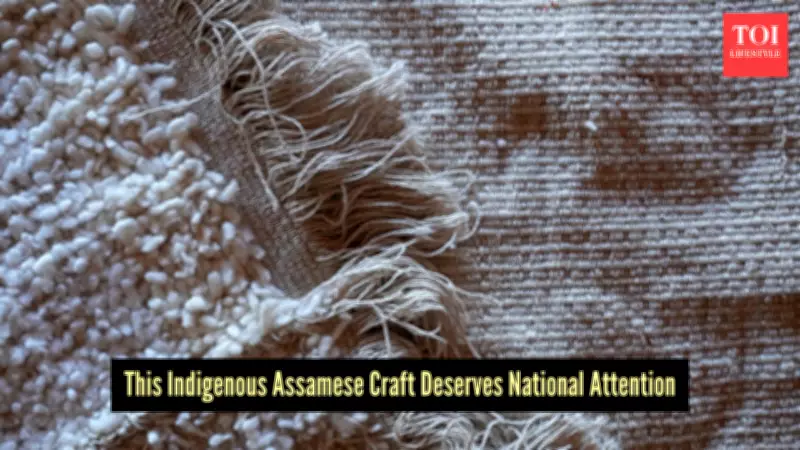
Miri embroidery, also known as Miri-Jim or Gadu, is primarily crafted by the indigenous Mising community in Assam. Unlike traditional embroidery, this is a woven technique executed on looms, creating thick, fluffy blankets and handloom textiles. The special weaving method produces a soft, raised texture on one side and a clear, beautiful allure on the other. Primarily made in the riverine areas of Assam, it is used for winter shawls and blankets, showcasing a distinct aesthetic that sets it apart from other crafts.
The Role of Eri Silk in Miri Embroidery
This embroidery is often seen on Eri silk, also known as Ahimsa silk or the 'fabric of peace,' with roots dating back to 2500 BCE in Northeast India. Extracted from the Samia ricini worm, which feeds on castor plants, Eri silk is unique because the moth emerges from the cocoon before harvesting, allowing for non-violent production. Its durability, beautiful texture, and affordability have earned it the nickname 'poor man's silk,' making it a sustainable and ethical choice for Miri embroidery.

Karigari on Assamese Gamosas
The craft also adorns Assamese Gamosas, traditional handwoven cotton textiles with a white base and red border, featuring floral motifs. These Gamosas are cultural symbols of Assamese hospitality and identity, used in sacred rituals, festivals, and to honor guests. Roughly two feet wide, they are deeply tied to women's empowerment, as they are mostly woven by local female weavers, known as sipinis. In 2020, this craft was granted a Geographical Indication (GI) tag to protect its unique identity and traditional production methods.
The Broader Impact on Assam's Textile Industry
The textile industry in Assam is not just an embodiment of rich cultural diversity but a testament to enduring traditional practices. For centuries, tribes have protected their culture through these crafts, which serve as sources of livelihood, symbols of cultural preservation, and drivers of economic development. Miri embroidery, with its intricate techniques and use of Eri silk, highlights the state's commitment to safeguarding its heritage while fostering sustainable growth.
In summary, Miri embroidery represents a hidden gem in India's cultural landscape, blending artistry, tradition, and community empowerment. As awareness grows, this craft continues to weave stories of Assam's past into the fabric of its future.