Mesopotamia: The Dawn of Human Civilization
Long before the rise of global empires and iconic landmarks, a profound revolution unfolded in a region destined to become the cradle of one of humanity's oldest civilizations. Mesopotamia, situated in what is now modern-day Iraq, is widely recognized as the birthplace of the world's earliest civilization. For those seeking meaning beyond typical tourist spots, this is a land where history doesn't merely occur; it originates.
The Sumerian Civilization: Where It All Began
The Sumerian civilization emerged around 3500 BCE in the fertile plains between the Tigris and Euphrates Rivers in Mesopotamia. What sets the Sumerian civilization apart is not just its antiquity but its remarkable innovation. The Sumerians are credited with establishing some of the earliest known cities globally, with Uruk often regarded as the world's very first city.
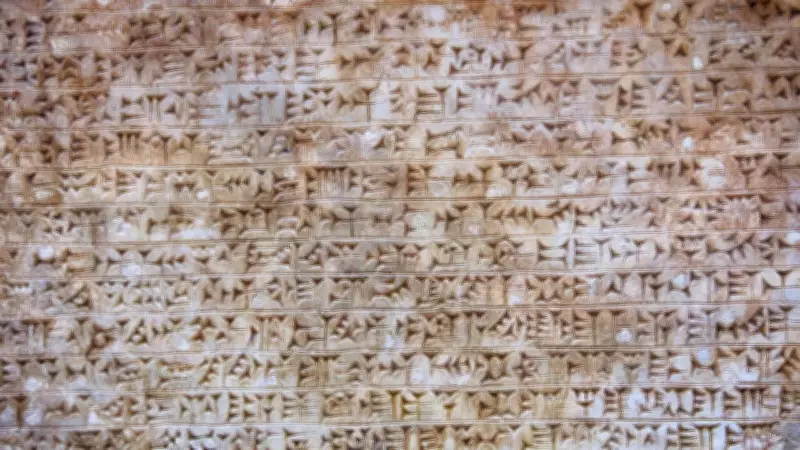
Cuneiform Script and Urban Development
These settlements were not mere clusters of dwellings but sophisticated civilizations with organized governments, thriving trade networks, and rich religious practices. Today, visiting these ancient sites offers tourists a unique opportunity to tread on ground where civilization was first conceived.

What to Experience in Modern-Day Iraq
Iraq remains an emerging destination for tourists, yet it holds immense historical potential for those eager to explore its cultural richness. Sites like the Ziggurat of Ur and the ruins of Babylon provide glimpses into a world that flourished thousands of years ago.
Museums in Iraq house invaluable artifacts, such as clay tablets inscribed with cuneiform—one of the earliest forms of written communication—and sculptures that reflect the artistic and cultural advancements of the era. Each piece represents a civilization that was remarkably ahead of its time.
Key Innovations and Facts
- The Invention of Writing: The Sumerians developed cuneiform, an early written language on clay tablets.
- Urban Living: Cities like Ur and Uruk pioneered urban life.
- Time and Mathematics: The division of time into 60 minutes and 60 seconds originated here.
- Early Records: The earliest written documents include trade records and shopping lists.
- Beer Brewing: Beer was a common beverage, with brewing as a vital skill.
- The Wheel: Perfected in this region, revolutionizing trade and travel.
- Formal Education: Scribes were trained in writing and administration over 4,000 years ago.
- Etymology: The term 'Mesopotamia' means 'land between rivers,' coined by the Greeks.
Discovering the oldest civilization on Earth is not about luxury or leisure; it's about gaining a new perspective. It involves walking on land where the first cities were built and the initial words were written, offering a deep connection to our shared human heritage.