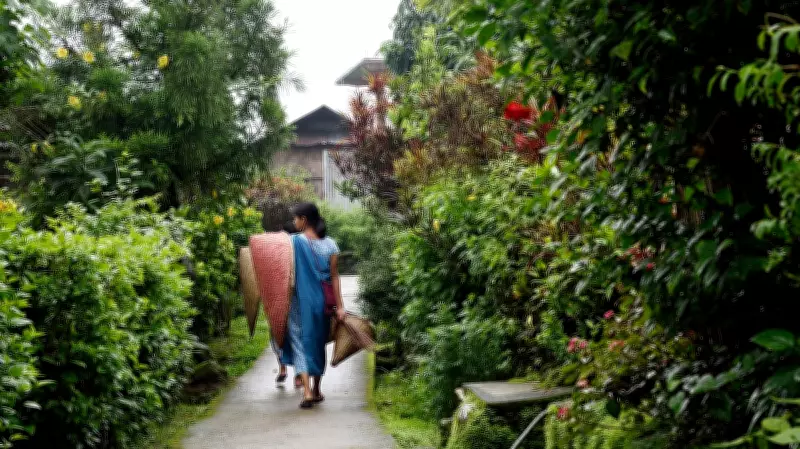
Matrilineal Traditions in Meghalaya Show Signs of Weakening Amidst Modern Pressures
In the northeastern state of Meghalaya, the matrilineal system, where lineage and inheritance are traced through the mother's line, continues to be a defining cultural feature. However, recent observations indicate that this age-old tradition is not holding as firmly as it once did, facing challenges from evolving societal norms and external influences.
The Tribal Foundation of Matrilineage
A primary factor contributing to the survival of matrilineal practices in Meghalaya is their deep-rooted presence across all three major indigenous tribes of the region. The Khasi, Garo, and Jaintia communities have historically upheld these traditions, which govern aspects such as property rights, family names, and social structures. This widespread adoption has provided a resilient foundation, allowing matrilineage to endure through generations despite changing times.
Contemporary Challenges and Shifts
While the matrilineal system remains intact, it is increasingly subject to pressures that are causing it to weaken. Factors contributing to this decline include:

- Urbanization and modernization, which introduce new economic and social dynamics that sometimes conflict with traditional practices.
- Increased exposure to external cultures, through media, education, and migration, leading to a gradual shift in attitudes towards gender roles and inheritance.
- Legal and policy changes at national and state levels that may inadvertently impact tribal customs, creating a complex interplay between tradition and contemporary governance.
These elements are fostering a slow but noticeable transformation, where younger generations may question or adapt matrilineal norms, leading to a less rigid adherence compared to the past.
Implications for Cultural Heritage
The evolution of matrilineal traditions in Meghalaya raises important questions about the preservation of cultural identity. As these practices face modern challenges, there is a growing need for balanced approaches that respect tribal heritage while accommodating societal progress. Efforts to document and promote awareness of matrilineal systems are crucial in ensuring they are not lost amidst rapid change.
In summary, the matrilineal lineage in Meghalaya, supported by its prevalence among the Khasi, Garo, and Jaintia tribes, continues to exist but is experiencing a gradual erosion. This trend highlights the dynamic nature of cultural traditions in the face of global and local shifts, underscoring the importance of adaptive strategies to sustain this unique aspect of India's diverse heritage.